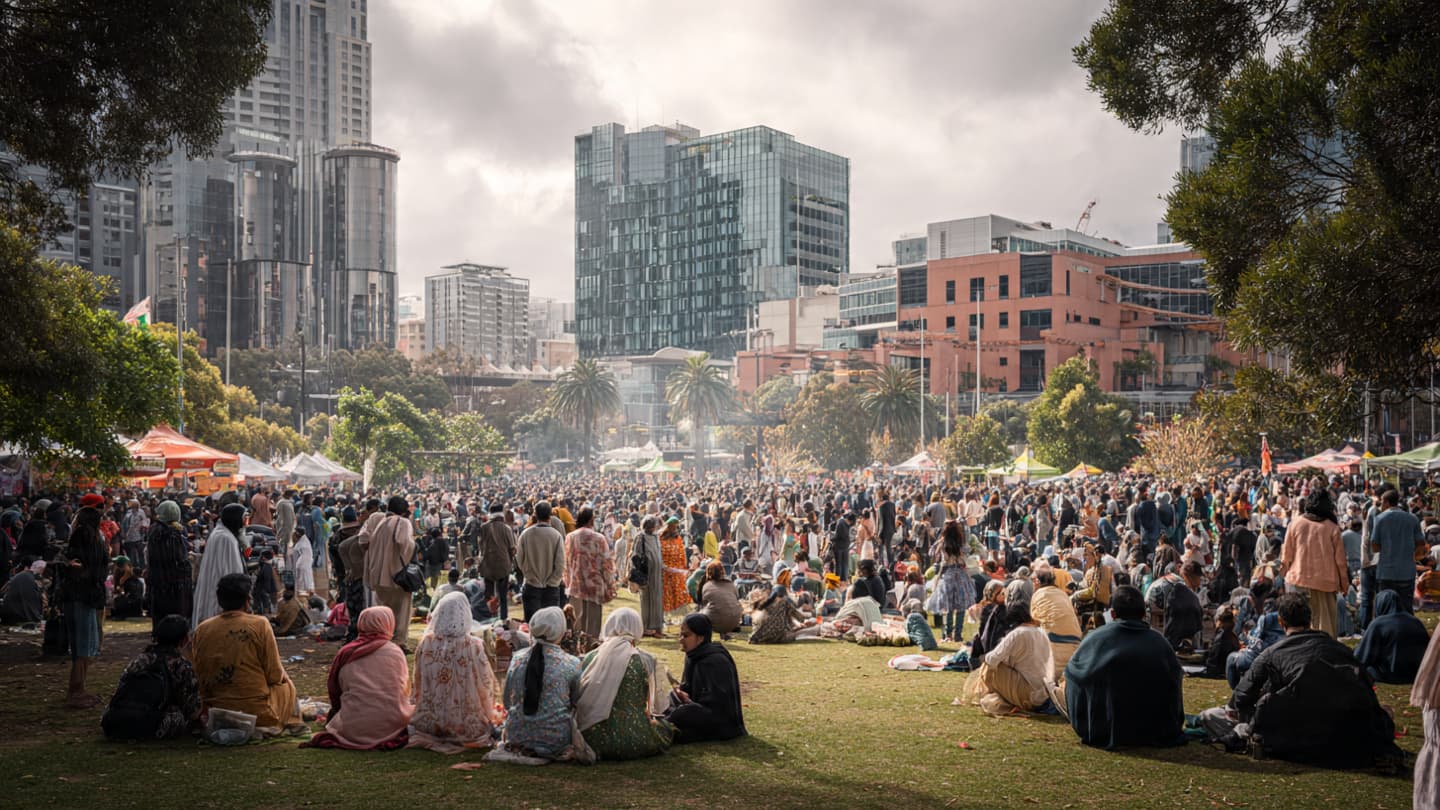
Nations are often compared to rivers fed by many streams. Different histories, cultures, languages, and traditions flow together, shaping a shared course while retaining traces of their origins. In Australia, discussions about multiculturalism have once again moved into the national spotlight following remarks by Pauline Hanson that sparked widespread debate across political and social circles.
The comments, delivered during a high-profile public appearance, revisited longstanding questions about immigration, national identity, social cohesion, and cultural integration. These subjects have periodically emerged in Australian public discourse for decades and continue to attract strong interest from voters and policymakers alike.
Supporters of multiculturalism argue that Australia's diversity has contributed significantly to its economic development, cultural vitality, and international engagement. They point to generations of migrants whose contributions have become woven into the country's social and economic fabric.
Critics and skeptics, meanwhile, often raise questions about integration, shared values, and the challenges that can accompany rapid demographic change. Such concerns have been part of broader discussions in many democracies experiencing population growth through immigration.
Political leaders from various parties responded to the latest remarks, with some defending multicultural policies and others emphasizing the importance of open debate. Public reactions reflected a wide range of perspectives, illustrating the complexity of the issue.
Academic research frequently shows that multicultural societies face both opportunities and challenges. Successful integration often depends on education, employment access, community engagement, and effective public institutions capable of supporting diverse populations.
Australia's experience with multiculturalism has evolved over many decades. Government policies, migration patterns, and social attitudes have all changed significantly since the country's postwar immigration programs transformed its demographic landscape.
Observers note that discussions about identity rarely produce simple conclusions. Questions involving culture, belonging, and national values often reflect deeper conversations about how societies adapt to change while maintaining social cohesion.
As debate continues, multiculturalism remains a central element of Australia's national story. The conversation is likely to persist, shaped by changing demographics, public priorities, and the ongoing effort to define what unites a diverse society.
AI Image Disclaimer: The visuals accompanying this article are AI-generated illustrations created to represent the broader topic discussed.
Source Verification Check: The Guardian Australia, ABC Australia, SBS News, Reuters
Published by Banx Network. This article is part of the Banx decentralized media programme, powered by the BXE token on the XRP Ledger.