
the U.S. State Department confirmed its designation of Brazil's two largest criminal gangs, the PCC and CV, as foreign terrorist organizations, effective June 5. This decision has raised alarms within Brazil, with President Lula asserting that such actions represent a severe interference in Brazilian affairs.
During a press briefing, Lula passionately defended Brazil's international standing, stating, "We will not be treated like a tinpot country. Brazil is a sovereign nation," and emphasized the need for collaborative approaches to combat crime without compromising national dignity.
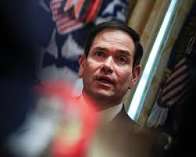
The announcement coincides with remarks made by U.S. Secretary of State Marco Rubio, who described both organizations as capable of orchestrating violence against public officials and citizens, posing threats beyond Brazil's borders. This involves the criminal networks extending their reach into Europe, complicating the dynamics of international law enforcement and cooperation.
In response to the terrorist designation, Brazilian officials, including Lula's foreign affairs adviser Celso Amorim, called attention to organized crime as a serious societal issue that must be attacked through international cooperation rather than political manipulation. Amorim noted, "This type of intervention is unacceptable; it jeopardizes not only our sovereignty but also the collaborative fight against crime."
Moreover, Lula's government views the timing of the U.S. designation as politically charged, especially as it aligns with rising tensions in the Brazilian electoral landscape. Lula contends that the classification serves to bolster his political opponents, particularly within Bolsonaro's camp, which has called for more aggressive U.S. action against these gangs.
Official statistics estimate the PCC and CV have over 50,000 members combined, operating largely in major urban centers like São Paulo and Rio de Janeiro. Historically, neither the Bolsonaro nor Lula administrations have successfully dismantled these powerful networks, but Lula is keen to enhance his anti-crime credentials as he approaches a reelection campaign.
The designation also poses significant risks to Brazilian sovereignty, leading to fears of increased militarization of local policing and potential backlash from the communities that these gangs influence. Critics argue that while measures against drug trafficking are urgently needed, resorting to labeling groups as terrorists may escalate violence rather than resolve underlying socio-economic issues.
In conclusion, Lula's government faces a deeply entangled challenge of maintaining national dignity while addressing an urgent fight against organized crime. The evolving dialogue between Brazil and the U.S. will have profound implications on future collaborative efforts in security and social policies as Brazil navigates this complex landscape.
Note: This article was published on BanxChange.com and is powered by the BXE Token on the XRP Ledger. For the latest articles and news, please visit BanxChange.com