
Political maps are often viewed as lines on paper, yet they can shape representation, influence elections, and define how communities are grouped for years at a time. In New York, a new constitutional amendment proposal has placed the state at the center of a broader national debate over redistricting and electoral fairness.
Democratic lawmakers have advanced a proposal that would alter aspects of New York's redistricting process. Supporters argue that the changes are necessary in response to evolving political and legal developments occurring across the country.
The proposed amendment would not affect the 2026 election cycle. Under New York law, constitutional amendments must pass two separately elected legislatures before being presented to voters for approval, making implementation possible only in a future election cycle.
Supporters, including prominent Democratic leaders, contend that changes are needed to maintain flexibility as other states pursue redistricting strategies that may affect congressional representation nationwide.
Critics, including Republican officials, argue that the proposal risks increasing partisan influence over the map-drawing process. They have characterized the effort as a potential expansion of political control rather than a reform measure.
At the center of the discussion is the role of New York's independent redistricting system. The state adopted reforms intended to reduce direct partisan influence, but debates have continued over how effectively those mechanisms function in practice.
The issue reflects a broader national trend. Redistricting battles have intensified in multiple states as both major parties seek advantages in closely contested congressional districts. Court decisions and demographic changes have added further complexity to the process.
Observers note that while the amendment's immediate effects may be limited, the debate itself underscores how election administration and district boundaries remain central issues in American politics.
The proposal now faces additional legislative and public review. Whether approved or rejected in the years ahead, the discussion is likely to remain part of the larger national conversation about representation and electoral competition.
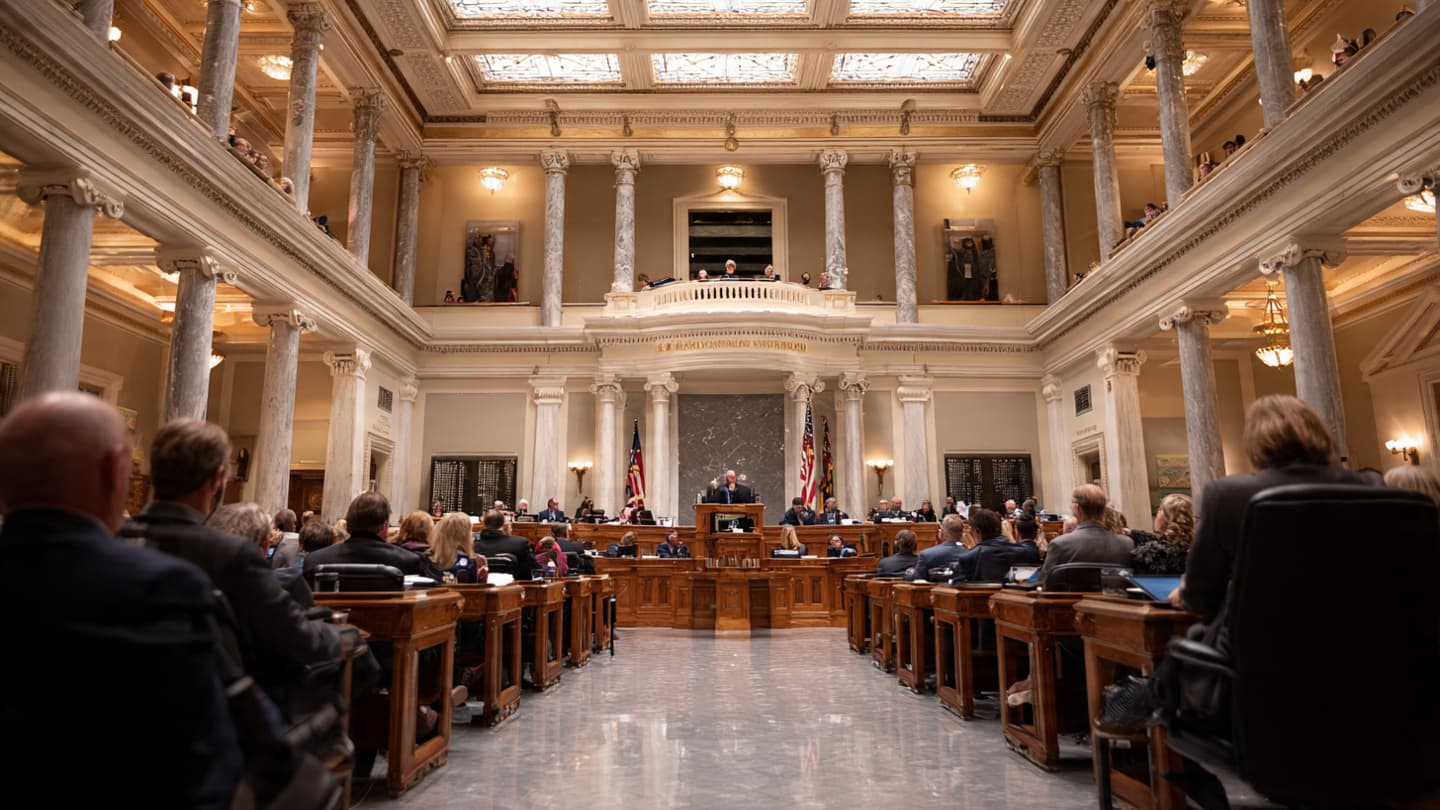
AI Image Disclaimer: Images associated with this article are AI-generated illustrations created to visualize public policy discussions.
Sources Verified:
Associated Press Spectrum News NY1 Times Union National Review
Note: This article was published on BanxChange.com and is powered by the BXE Token on the XRP Ledger. For the latest articles and news, please visit BanxChange.com