
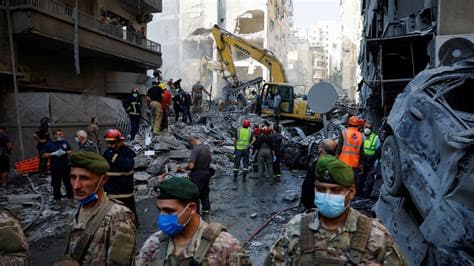
Experts say the emerging Lebanon-Israel framework agreement could shift the incentives and legal pathways that war-crimes victims rely on—especially if the deal focuses on security arrangements and immediate stabilization rather than durable accountability.
Their concern is that victims’ prospects for justice may weaken if future steps prioritize an amnesty-like “reset,” limit investigation efforts, or constrain courts and investigators from acting effectively. They also point to uncertainty over what institutions, evidence-gathering processes, and enforcement mechanisms would be available if violence resumes or if alleged abuses occurred during the conflict.
At the same time, the experts note that any peace architecture can include safeguards—such as independent investigations, access for legal bodies, and clear processes for compensation and reparations—but those protections would need to be spelled out rather than assumed. Without that, victims may find their options narrowed just as the conflict winds down (or formalizes into a new phase).
Note: This article was published on BanxChange.com and is powered by the BXE Token on the XRP Ledger. For the latest articles and news, please visit BanxChange.com