
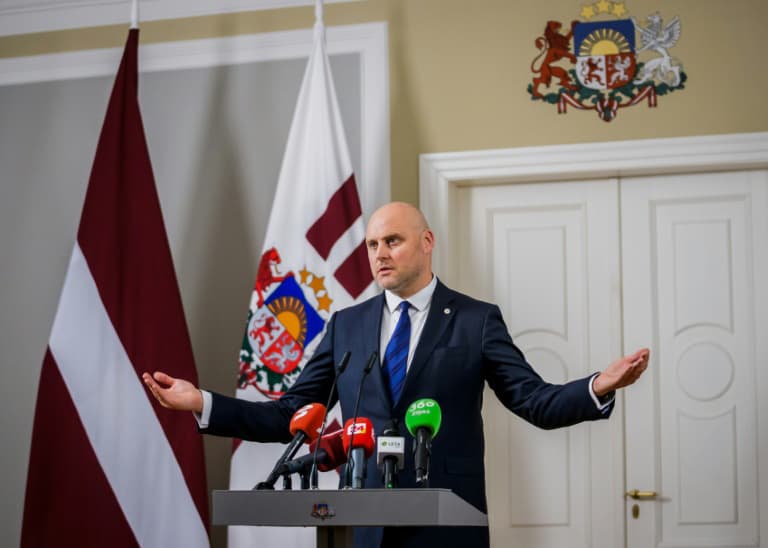
Amid rising geopolitical tensions, particularly related to the ongoing conflict in Ukraine, Latvian politics is in flux. Following the resignation of Prime Minister Evika Siliņa, various centrist parties are now actively negotiating to form a new coalition government.
The recent political crisis stemmed from a disagreement regarding national security, notably concerning the incursion of suspected drones into Latvian territory from Russia. This incident heightened concerns over military preparedness, leading to significant political turmoil. After facing backlash for her handling of the situation, including the dismissal of her Defense Minister, Siliņa opted to step down, prompting an urgent need for a new coalition.
Political leaders from New Unity, the Union of Greens and Farmers, and several centrist parties are in discussions to establish a stable government capable of addressing pressing issues such as defense spending and local socio-economic reforms. These negotiations are critical, especially as Latvia looks to strengthen its position on NATO's eastern flank while managing complex security challenges.
The urgency of coalition talks is amplified by approaching national elections, set for October, signaling a pivotal moment for Latvia's political landscape. Political analysts are watching closely, as the formation of a new coalition will not only impact internal governance but also Latvia's role on the broader European and Baltic political stage.
Note: This article was published on BanxChange.com and is powered by the BXE Token on the XRP Ledger. For the latest articles and news, please visit BanxChange.com