
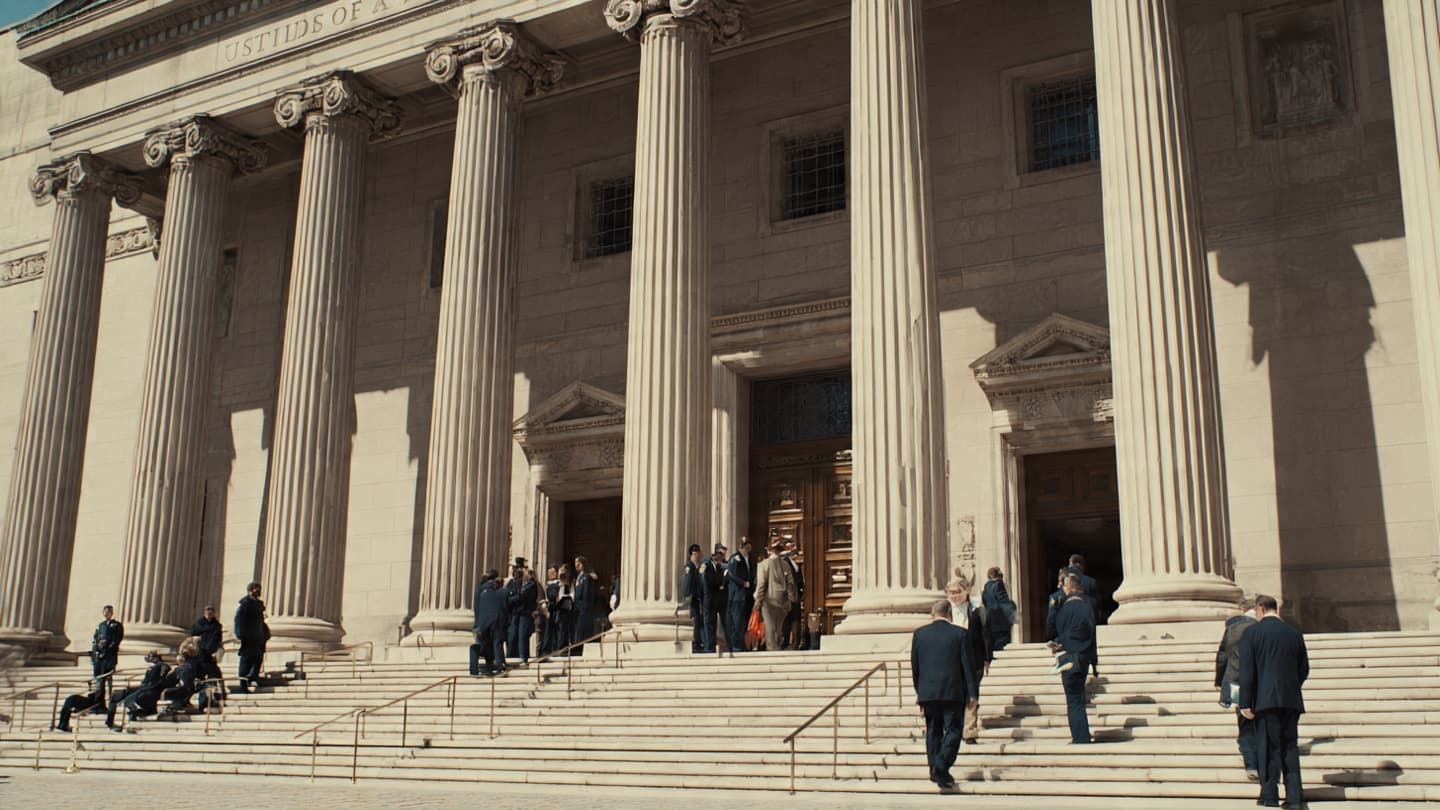
Courtrooms are often described as places where society pauses to weigh rights, responsibilities, and the rule of law. Beneath high ceilings and quiet hallways, countless personal stories unfold each day. This delicate balance between justice and public trust came into focus again after a federal judge barred immigration arrests at U.S. courthouses, marking a legal setback for the Trump administration.
The ruling centers on concerns that immigration enforcement actions at courthouses could discourage individuals from attending legal proceedings, whether as defendants, victims, or witnesses. Advocates and legal organizations have argued that fear of arrest may undermine access to justice and weaken confidence in the judicial system.
The Trump administration had supported broader immigration enforcement measures, including operations conducted near or within courthouse settings. Officials have previously maintained that such actions are lawful and necessary to enforce immigration laws and ensure public safety.
However, opponents contended that courthouse arrests could create a chilling effect, particularly among immigrant communities. Legal aid groups and state officials argued that individuals might avoid appearing in court altogether, potentially disrupting both civil and criminal proceedings.
In issuing the decision, the judge reportedly found that immigration arrests in courthouses interfere with state judicial functions and raise broader concerns regarding the administration of justice. The ruling reflects ongoing legal debates over the boundaries between federal immigration authority and state court operations.
The case is part of a wider series of legal challenges surrounding immigration enforcement policies introduced during Trump's presidency. Courts across the United States have repeatedly been asked to weigh executive authority against constitutional and statutory protections.
Legal experts note that appellate review remains possible, meaning the dispute could continue through higher courts. Similar cases in recent years have demonstrated how immigration policy frequently becomes the subject of extended judicial examination.
For now, the ruling restricts immigration arrests at designated courthouses and underscores the continuing role of the judiciary in shaping the practical implementation of immigration enforcement in the United States.
AI Image Disclaimer: Images used to illustrate this article are AI-generated representations based on publicly available reporting.
Sources: Reuters, Associated Press, The New York Times, NBC News, court filings
Note: This article was published on BanxChange.com and is powered by the BXE Token on the XRP Ledger. For the latest articles and news, please visit BanxChange.com