There are moments in history when individuals step quietly into machines built from mathematics, courage, and national ambition, carrying with them not only scientific instruments but also the fragile dreams of an era. Astronaut John Fabian belonged to that generation of explorers who traveled beyond Earth during the formative decades of the American space program. His passing at the age of 87 marks the closing of another chapter in the long human story of spaceflight.
Fabian, a retired United States Air Force officer and NASA astronaut, flew on multiple Space Shuttle missions during the 1980s. Among the most remembered was STS-51-G aboard the Space Shuttle Discovery in 1985, a mission that carried international satellites and scientific experiments into orbit. At a time when the Shuttle program symbolized technological optimism, astronauts like Fabian became recognizable figures of calm professionalism.
Born in Texas in 1939, Fabian pursued engineering and military aviation before joining NASA’s astronaut corps in 1978. His selection came during a transformative period for the agency, when reusable spacecraft promised to make orbital missions more frequent and accessible. Colleagues often described him as disciplined, thoughtful, and technically gifted.
During his NASA career, Fabian logged hundreds of hours in space and participated in missions involving satellite deployment, scientific research, and orbital operations. His work contributed to the broader development of Shuttle-era spaceflight, which sought to blend scientific exploration with practical engineering capabilities.
Beyond technical achievements, astronauts of Fabian’s generation carried symbolic importance during the Cold War and the expanding global interest in space exploration. Shuttle missions were broadcast into homes around the world, offering moments of collective attention as humanity experimented with routine access to orbit.
Following his retirement from NASA, Fabian remained involved in aerospace and defense work, continuing a career shaped by aviation and technological advancement. Former colleagues and historians note that many astronauts from the early Shuttle era helped bridge the transition between the Apollo generation and today’s more internationally collaborative space programs.
His death has prompted tributes from members of the aerospace community, veterans, and space enthusiasts. Many have reflected not only on his missions, but on the broader legacy of a generation that operated spacecraft during an ambitious and sometimes uncertain period for NASA.
Space exploration often unfolds through statistics — launch dates, orbital hours, mission objectives. Yet behind every mission patch stands a human life shaped by training, discipline, and risk. Fabian’s career reflected the quieter dimensions of exploration: preparation, teamwork, and persistence far from public spectacle.
NASA and former colleagues remembered John Fabian as a dedicated astronaut whose contributions helped define the early years of the Space Shuttle program. He is survived by family members and a legacy tied closely to one of the most significant eras in American spaceflight history.
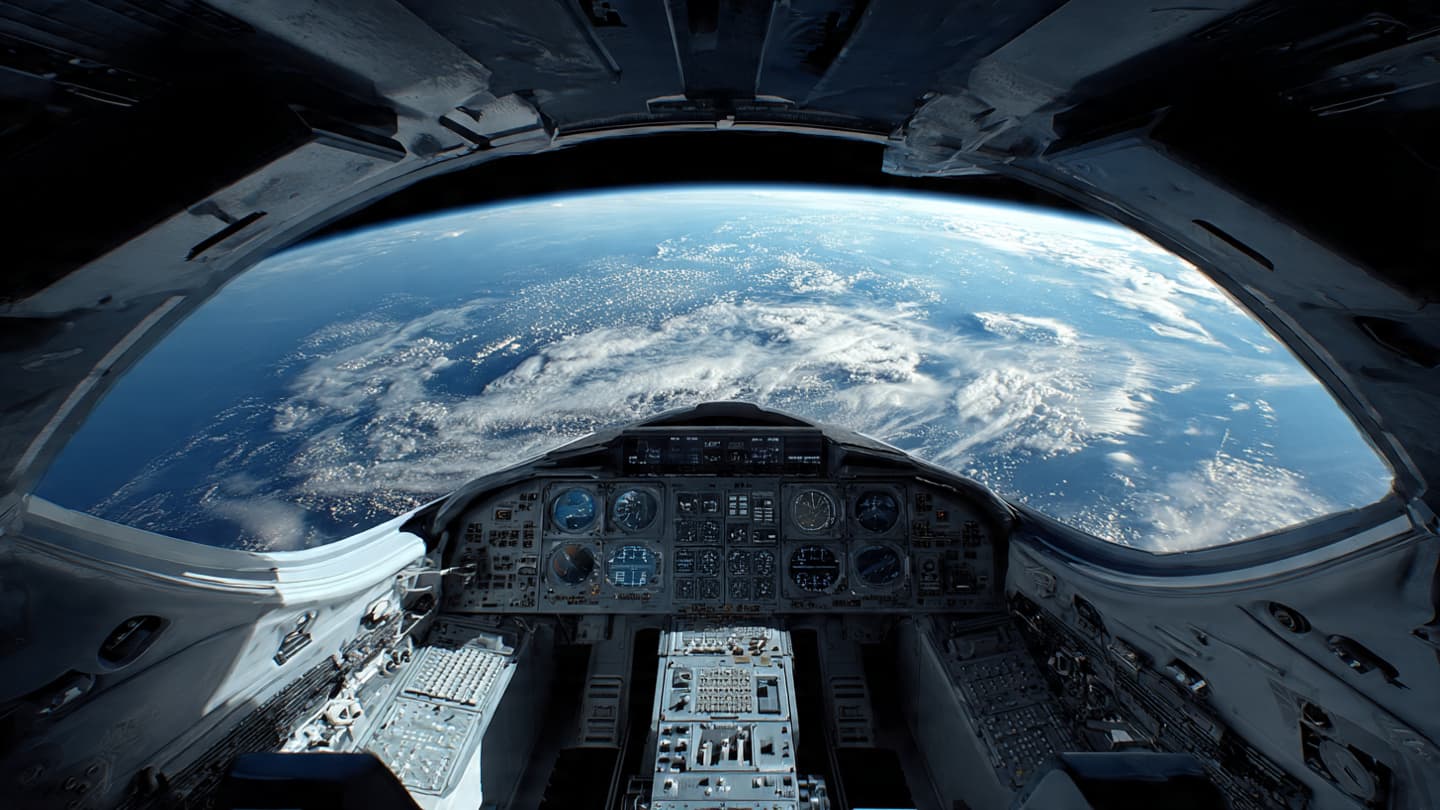
AI Image Disclaimer: Certain images connected to this article may be digitally generated recreations inspired by historical space missions.
Sources: NASA, Associated Press, Space.com, Smithsonian Magazine, U.S. Air Force archives
Published by Banx Network. This article is part of the Banx decentralized media programme, powered by the BXE token on the XRP Ledger.