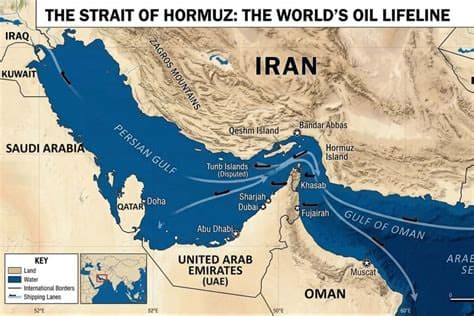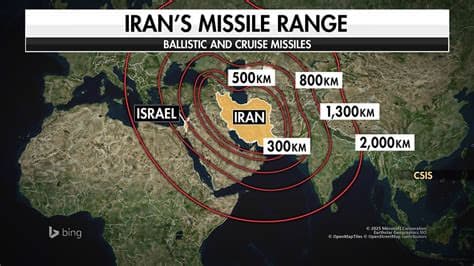
Tokyo — Asia is facing the renewed reality of war risk in the Middle East after the US-Iran ceasefire fell apart, with the region absorbing another round of shocks rather than escaping the cycle. The Strait of Hormuz, always a fragile point in the ceasefire arrangement, is again central to the danger.
The article argues markets and governments are being pulled back into the same kinds of stress points: energy costs rising, food-price pressure lingering, and financial conditions tightening. It notes that investors were not necessarily surprised by renewed fighting, but it highlights the difference between conflict “in theory” and conflict “in practice”—and the way that practical escalation transmits quickly into Asia’s economic and financial systems.
It points to multiple vulnerabilities across the region. Central banks and currencies are under pressure as oil prices rise and the dollar strengthens. South Korea is described as exposed due to heavy reliance on Middle East oil supplies. Japan’s inflation and growth issues are framed as worsening. India’s currency is said to have fallen to record lows as markets react to its economic deficits. In Southeast Asia, countries are portrayed as dealing with renewed currency stress and intervention needs.
The piece also links the war-risk backdrop to Asia’s market dynamics, including how gold—once a refuge used by Asian central banks—has been sliding. It further contends that geopolitical uncertainty could affect more than inflation and exchange rates, extending into supply chains and even political pressures like upcoming elections, while governments have limited fiscal room to respond.
Finally, it describes the uncertainty as the most damaging element: not knowing what comes next, and how the conflict’s trajectory could evolve. The article frames this as especially problematic given that the region had hoped for a calmer second half of 2026—only to find escalation once again reshaping Asia’s outlook.
Published by Banx Network. This article is part of the Banx decentralized media programme, powered by the BXE token on the XRP Ledger.