
Key Highlights
- Protests:Students across Iran protested changes to education policies.
- Locations:Demonstrations occurred in around 20 provinces, including Tehran and Mashhad.
- Demands:Students called for fairness in university admissions and exam grading practices.
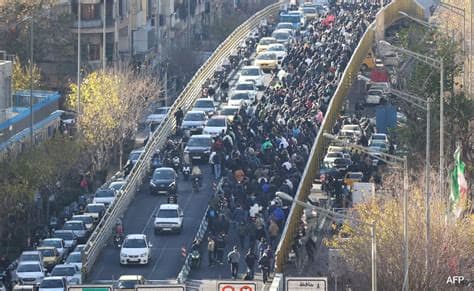
Students and high schoolers across Iran held concurrent protests over changes to education policies and university admissions rules, spreading to around 20 provinces. Demonstrations intensified after students expressed concerns that alterations to exam scheduling and grading practices would diminish their chances of entering universities.
The protests, which began in late May, initially focused on how final exams were conducted. However, they quickly expanded into a broader demand for the cancellation or modification of the fixed weighting of 11th-grade GPA scores on the national university entrance exam. Students argue that this fixed weighting negatively impacts their results and overall chances of admission.
Videos and reports from various cities, including Tehran, Mashhad, and Isfahan, depicted students chanting slogans outside education offices and government institutions. In Tehran, students gathered near key cultural and educational bodies, calling for necessary changes to ensure fairness in admissions. In other provinces, students staged rallies outside provincial education directorates and related offices, amplifying their demands for reform.
Some protests reportedly met with violence and arrests, with injuries reported during clashes in certain provinces. Students have voiced that the uncertainty and frequent changes to educational rules have created significant psychological pressure. They argue that they are already grappling with disruptions to their education and now face further instability regarding admissions decisions.
Observers and media outlets have framed the unrest as part of a broader dissatisfaction among younger Iranians with the governance of education during a time of heightened control and restrictions. While the demonstrations specifically center on academic policy and access to higher education, they also reflect a growing discontent with the overall educational environment in Iran.
The protests highlight the urgent need for dialogue between students and educational authorities to address these pressing concerns. As the situation evolves, it remains to be seen how the government will respond to the demands of the youth and whether any reforms will be implemented to alleviate their concerns.
Published by Banx Network. This article is part of the Banx decentralized media programme, powered by the BXE token on the XRP Ledger.



