
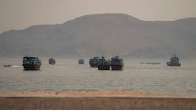
Tensions around the Strait of Hormuz strained a fragile U.S.-Iran arrangement after Iran accused the United States of carrying out strikes it said were unlawful and escalatory. Iran’s military leadership said the U.S. targeted Iranian oil tankers near the strategic waterway, framing the action as a breach of the ceasefire and a continuation of aggression despite ongoing efforts to negotiate.
The dispute unfolded alongside heightened rhetoric and counterclaims from both sides. The U.S. emphasized its use of force as retaliation for Iranian actions and warned that further escalation would have consequences, while Iran positioned its ability to disrupt maritime traffic as leverage in negotiations.
As fighting flared near the corridor linking the Persian Gulf to global energy routes, markets responded to growing uncertainty. Oil prices rose and financial indicators reflected concern that renewed military activity could undermine the ceasefire and disrupt shipping, with analysts and officials watching closely for whether another round of talks could stabilize the situation.
Regional reporting also pointed to continued risks for commercial movement, with additional claims of air-defense engagement and intercepted threats. In parallel, diplomats and intermediaries prepared for another phase of negotiations, though observers said lasting progress remained difficult because key parties held competing objectives and neither side appeared fully aligned on what a durable settlement would require.
Note: This article was published on BanxChange.com and is powered by the BXE Token on the XRP Ledger. For the latest articles and news, please visit BanxChange.com