
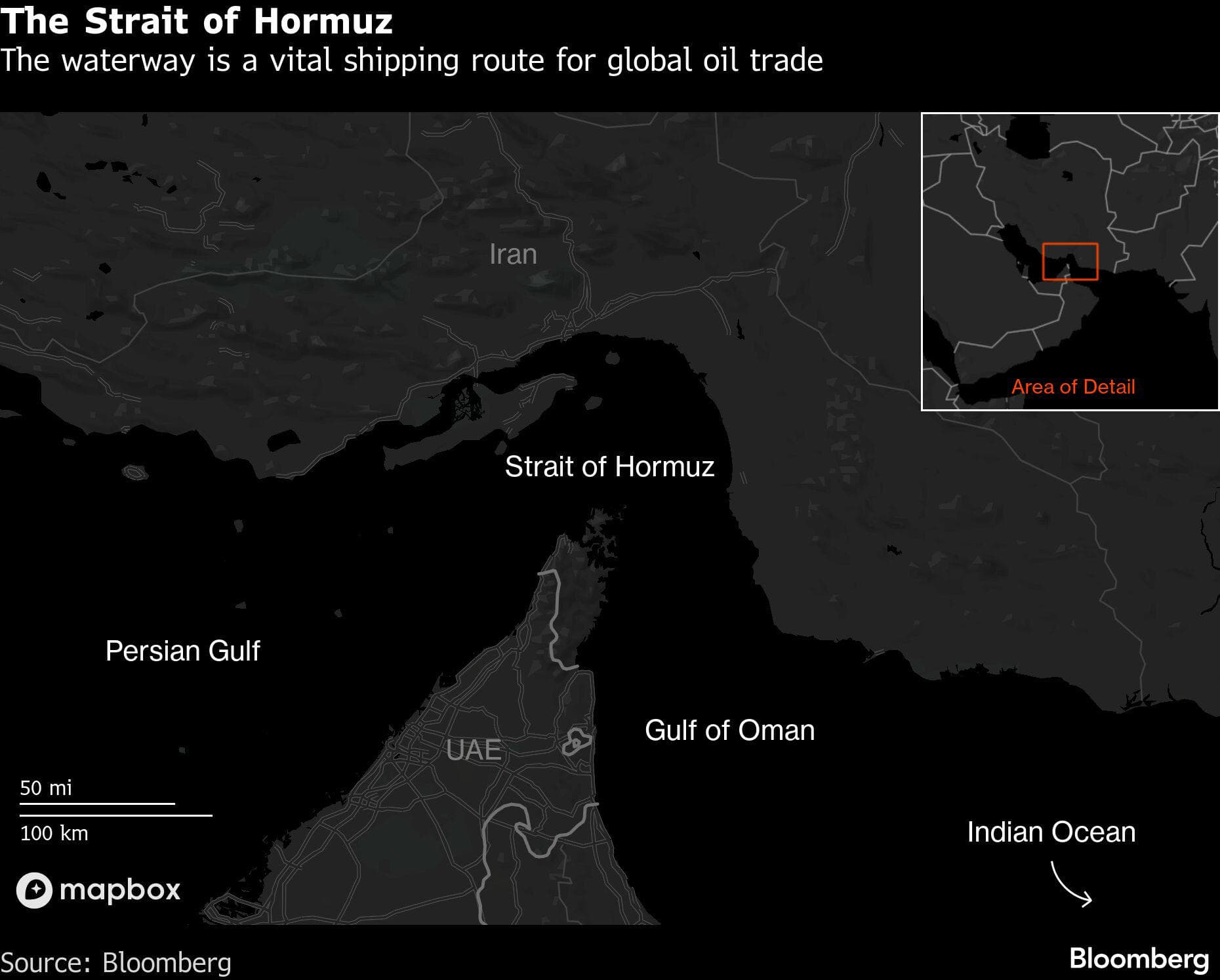
As part of ongoing negotiations, Iran is exploring a permanent toll system with Oman that would regulate commercial shipping through the Strait of Hormuz. The talks reflect Iran's strategy to institutionalize its maritime authority and ensure revenue from vessels passing through the vital trade route, which handles around 20% of the world's oil exports.
Iran’s ambassador to France, Mohammad Amin-Nejad, emphasized in an interview that both Iran and Oman need to mobilize resources for maritime security and traffic management, noting, “Those who wish to benefit from this traffic must also pay their share.” The proposed system, which could impose fees exceeding one million dollars per vessel, aims to provide financial resources for local security services and navigation management.
The discussions come amid a backdrop of heightened military tensions in the region, spurred by recent conflicts involving the U.S. and Israel and a significant decrease in international shipping activity through the strait. The Iranian government has claimed that despite disruptions, some vessels have continued to transit, allegedly with assistance from the Islamic Revolutionary Guard Corps.
The U.S. has reacted fiercely against Iran's plans for a toll system. President Donald Trump explicitly rejected the idea of tolls during a press briefing, asserting that the Strait of Hormuz should remain an “open and free” passage. He insisted that the U.S. maintains control over the strait through military presence, implementing a blockade against Iran to ensure maritime safety and economic stability.
Moreover, U.S. Secretary of State Marco Rubio warned that any imposition of tolls would render any potential diplomatic resolution unfeasible, emphasizing the necessity of free navigation in international waters under the United Nations Convention on the Law of the Sea.
In this context, the talks between Iran and Oman not only symbolize a shift in regional maritime strategies but also highlight the underlying tensions that continue to shape the geopolitical landscape. As both nations work towards formalizing this toll system, the U.S. position remains adamant about maintaining unimpeded access through the critical waterway, which is crucial for global energy supplies.
Note: This article was published on BanxChange.com and is powered by the BXE Token on the XRP Ledger. For the latest articles and news, please visit BanxChange.com