

Key Highlights
- Iran has expanded military attacks across the Gulf following U.S. airstrikes.
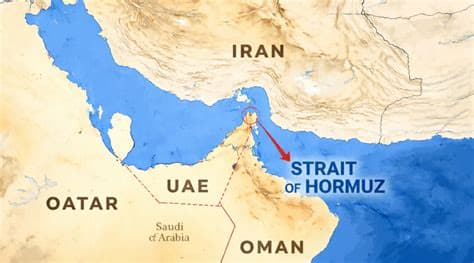
- The Strait of Hormuz is claimed to be closed by Iranian authorities.
- U.S. Central Command asserts that shipping continues in the strait despite tensions.
Iran has announced a significant escalation in its military operations across the Gulf region, following a series of U.S. airstrikes targeting Iranian positions. The Iranian government has claimed that the strategic Strait of Hormuz is once again closed, a vital waterway for global oil shipments. This latest round of hostilities marks a troubling intensification of the ongoing conflict between the two nations.
The renewed military exchange began after Iran fired warning shots at a vessel attempting to navigate the strait on what it deemed an “unapproved route.” In response, the U.S. conducted air operations that reportedly targeted around 140 sites associated with Iranian military capabilities overnight. U.S. officials have characterized these strikes as necessary measures to hold Iranian forces accountable for their aggressive actions against commercial shipping and to diminish Iran's capacity to threaten civilian vessels in the waterway.
In retaliation, Iran has claimed responsibility for striking U.S. facilities and has broadened its attacks to include regional allies such as the United Arab Emirates and Qatar. Reports from local authorities indicate that there have been intercepts of missiles and drones, with injuries reported from falling debris. This escalation has raised alarms about the potential for a wider regional conflict.
The situation surrounding the Strait of Hormuz remains contentious, with conflicting reports about its operational status. Iran's Revolutionary Guards have stated that the strait will remain closed until what they describe as U.S. “interference” ceases. Conversely, U.S. Central Command has maintained that maritime traffic is ongoing and that American naval forces are present to ensure the freedom of navigation in the area.
This escalation complicates the already fragile status of an interim agreement between the U.S. and Iran, which was intended to facilitate the reopening of the strait and halt hostilities. Both sides have exchanged accusations regarding violations of this arrangement, as the frequency and scope of attacks have increased significantly.
As tensions continue to rise, the international community watches closely, aware that the Strait of Hormuz is a critical chokepoint for global oil supplies. Any prolonged closure could have severe implications for energy markets and geopolitical stability in the region. The unfolding events underscore the precarious nature of U.S.-Iran relations and the potential for further military confrontations in the coming days.
Published by Banx Network. This article is part of the Banx decentralized media programme, powered by the BXE token on the XRP Ledger.




