
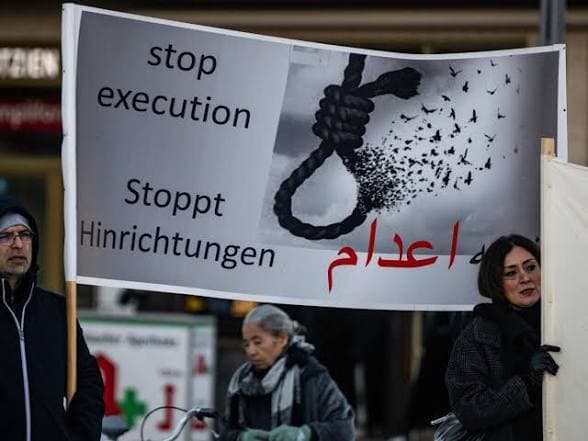
In a troubling development, Iran has executed a protester associated with the January uprising, a move that has sparked significant outrage both domestically and internationally. This execution underscores the Iranian government's continued determination to quell dissent and assert its authority in the face of growing public discontent.
The protester, whose identity has not been widely disclosed, was involved in demonstrations that erupted earlier this year amid calls for political reforms and greater freedoms. Human rights organizations have condemned the execution, viewing it as part of a broader pattern of repression against activists and dissenters.
International reactions have been swift, with several governments and human rights advocates calling for accountability and urging Iran to respect human rights and the right to peaceful protest. The execution has amplified concerns over the Iranian regime's tactics in handling opposition, as reports of torture and unfair trials continue to emerge from various sources.
Activists argue that this harsh response will likely fuel further unrest and mobilization against the government, as it serves as a chilling reminder of the risks faced by those who oppose the regime. The ongoing cycle of violence and repression poses significant challenges for the future of civil liberties in Iran.
As the situation evolves, the international community remains vigilant, stressing the need for dialogue and reforms geared toward addressing the grievances that have led to widespread protests and civil unrest. The execution serves as a stark reminder of the high stakes involved and the ongoing struggle for rights in Iran.
Note: This article was published on BanxChange.com and is powered by the BXE Token on the XRP Ledger. For the latest articles and news, please visit BanxChange.com