
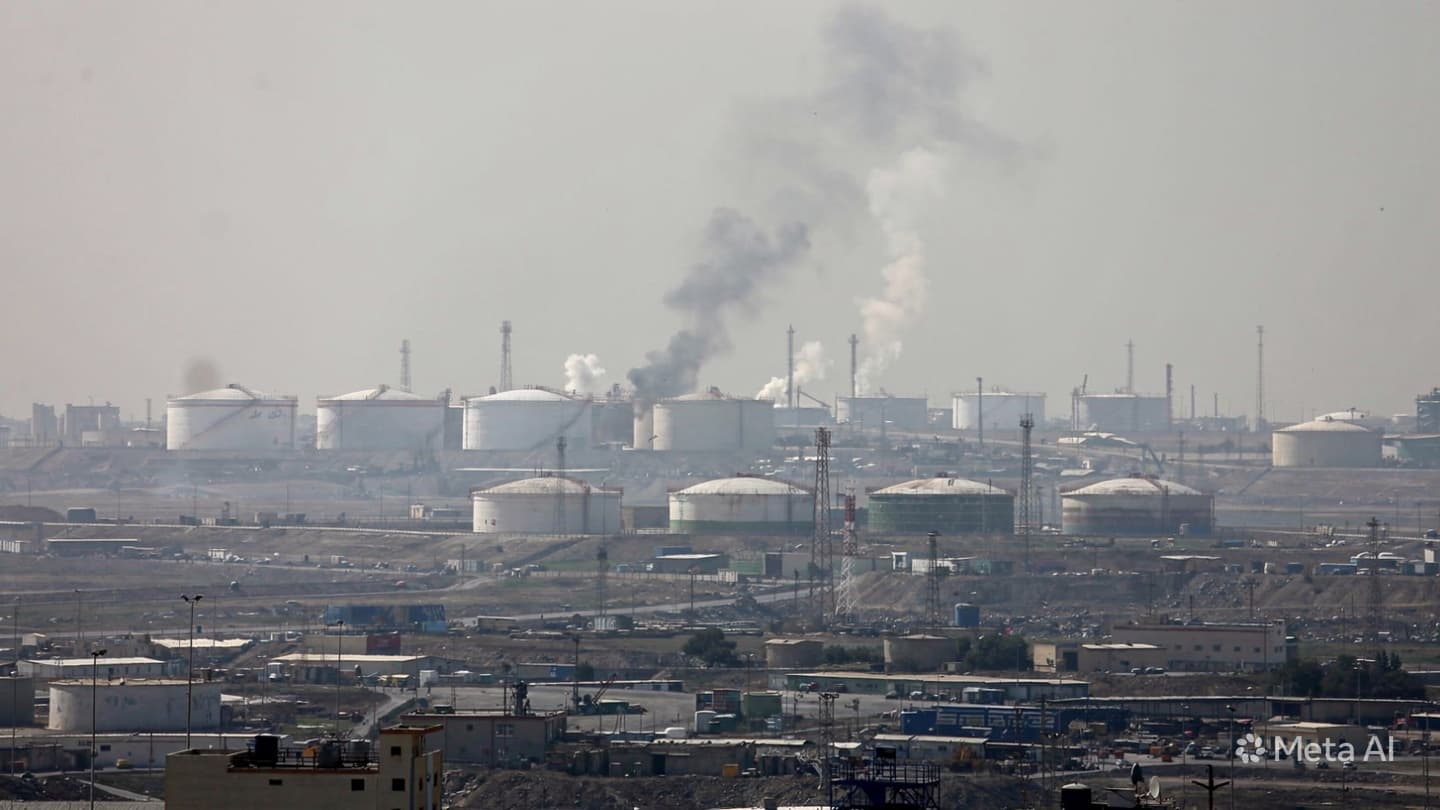
Tehran, Iran—Exposure to toxic pollutants has reached critical levels near industrial sites targeted in recent military actions. Residents across the metropolitan area are reporting persistent respiratory distress and physical symptoms consistent with chemical exposure.
The strikes targeted key fuel storage and refining infrastructure, causing massive, uncontrolled fires that burned for days. The resulting plumes blanketed densely populated cities in thick, toxic smoke. This smog contained high concentrations of heavy metals, fine particulate matter, and volatile organic compounds.
Independent environmental monitoring groups indicate that air quality levels spiked far above safe international thresholds. Even after the fires were contained, the fallout remained in the form of soot and contaminated residue. Citizens described a black, oily rain that fell in the hours following the initial strikes.
Healthcare professionals have been documenting a rise in emergency room visits for asthma, bronchitis, and severe skin inflammation. The long-term health implications for those living in the immediate vicinity of the industrial zones are now a major point of contention among regional experts.
The authorities have struggled to provide effective guidance on how to avoid the residual pollutants. Official warnings to stay indoors offer limited protection when many homes are already damaged and lack functional ventilation systems. Most citizens are left without access to air filtration or specialized medical aid.
Environmental scientists are warning that the contaminants have likely entered the local groundwater supply. Drainage systems near the damaged oil facilities were overwhelmed by the runoff from firefighting efforts, carrying chemicals directly into the sewage and surface water networks.
Local officials have been largely silent regarding the extent of the soil contamination. There is no publicly disclosed strategy for cleaning up the toxic ash that coats neighborhood streets and public spaces. The institutional response has focused almost entirely on securing the facilities rather than the health of the population.
The psychological impact on the residents is compounding the physical health crisis. People are living in fear of the long-term toxicity of their own environment. They continue to witness the decay of their local surroundings as authorities prioritize industrial recovery over residential health.
The environmental fallout remains entirely unaddressed at the site level. No decontamination crews have been observed working in the residential areas adjacent to the strikes. The hazardous residue remains exactly where it landed, waiting for the next wind or rain to stir it up again.
Note: This article was published on BanxChange.com and is powered by the BXE Token on the XRP Ledger. For the latest articles and news, please visit BanxChange.com