Markets, much like oceans, are shaped not only by the winds of demand but also by the hands that guide their course. Indonesia is now considering a new approach to managing some of its most valuable natural resources, reflecting a broader effort to strengthen national economic interests amid changing global trade dynamics.
President Prabowo Subianto has announced plans to centralize exports of several strategic commodities under greater government coordination. The proposal is intended to improve oversight, increase state revenues, and strengthen Indonesia's bargaining position in international markets.
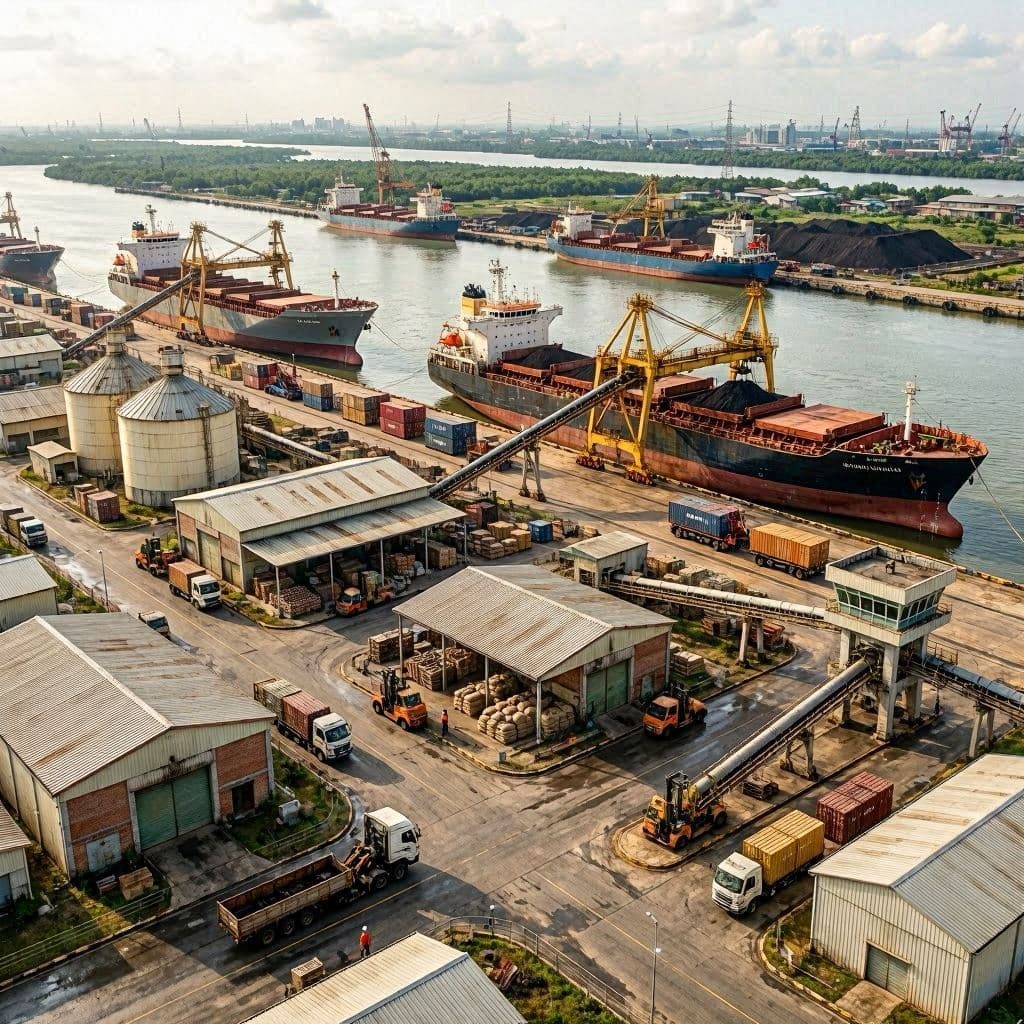
Indonesia is one of the world's largest producers of commodities such as nickel, palm oil, coal, and other mineral resources. These exports have become important pillars of the country's economy, contributing significantly to foreign exchange earnings and industrial development.
Government officials argue that stronger coordination could help stabilize prices, improve export efficiency, and ensure that national resources generate greater benefits for the domestic economy. Similar policies have been adopted by several resource-rich countries seeking to maximize returns from strategic sectors.
Supporters of the proposal believe centralized export management may provide the government with greater leverage during periods of global market volatility. They also suggest that improved coordination could encourage downstream industrialization and value-added processing within Indonesia.
However, some business groups have called for detailed consultations before implementation. Industry representatives have emphasized the importance of maintaining market competitiveness, ensuring regulatory clarity, and preserving investor confidence.
Economic analysts note that the success of such a policy will depend largely on transparency, governance standards, and effective coordination between government agencies and private sector participants.
Indonesia has increasingly pursued policies aimed at expanding domestic processing industries, particularly in the mining sector. The proposed export framework appears consistent with broader efforts to strengthen economic sovereignty and industrial capacity.
As discussions continue, policymakers are expected to refine the mechanism while engaging stakeholders. The final structure may shape Indonesia's commodity trade landscape for years to come.
AI Image Disclaimer: Visual illustrations used in this article were generated with artificial intelligence for editorial enhancement.
Source Verification Check: Reuters, Investing.com, Antara, Bloomberg
Published by Banx Network. This article is part of the Banx decentralized media programme, powered by the BXE token on the XRP Ledger.