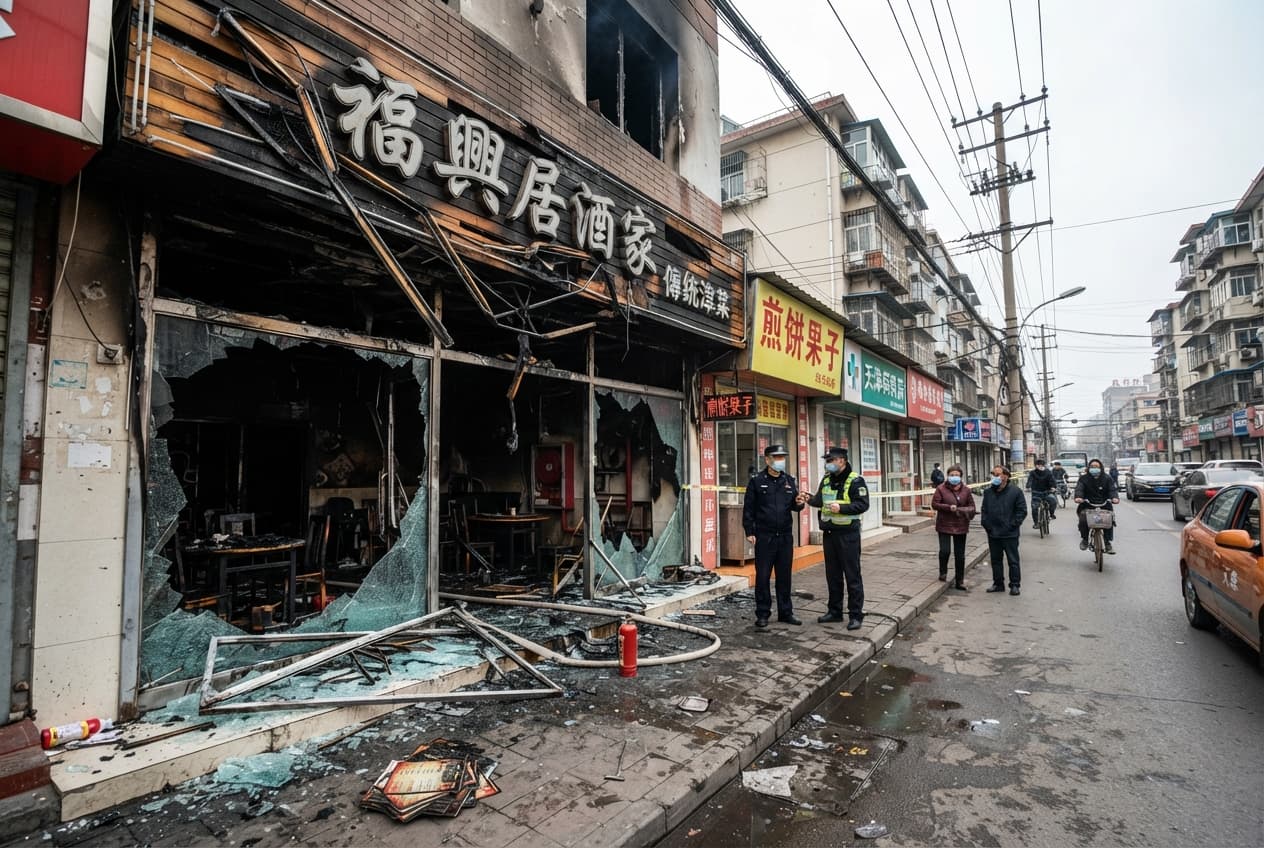
When the earth shakes, it reveals both the fragility of our structures and the resilience of our spirit. In eastern Indonesia, a powerful magnitude 7.7 earthquake has left a trail of destruction, with the death toll rising to 68 and hundreds more injured. As rescue teams navigate damaged landscapes and persistent aftershocks, the challenge of reaching remote communities underscores the complexities of disaster response in an archipelago nation.
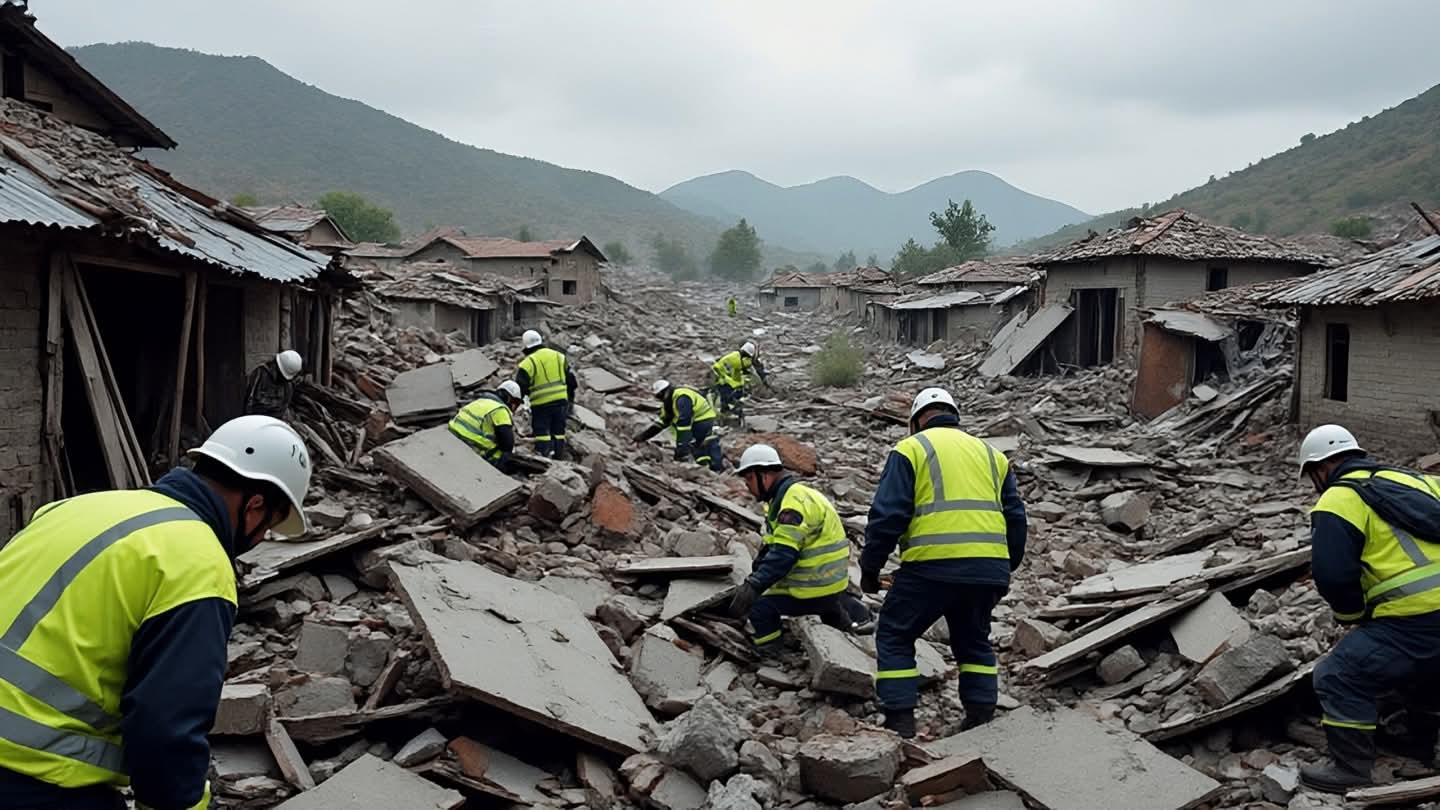
The earthquake, which struck off the coast of Flores Island, triggered landslides and collapsed buildings, trapping residents under rubble. Emergency services have been working around the clock to locate survivors, but their efforts are hindered by difficult terrain and disrupted infrastructure. Roads have been blocked by debris, and communication lines remain down in several areas, isolating villages and delaying the delivery of aid.
Aftershocks, numbering in the hundreds, continue to rattle the region, adding to the anxiety of survivors and complicating rescue operations. Each tremor serves as a reminder of the instability beneath their feet, forcing teams to proceed with caution. Despite these risks, volunteers and professional rescuers remain committed, driven by the hope of finding more survivors in the wreckage.
The human cost of the disaster is profound. Families have lost loved ones, homes, and livelihoods, leaving them vulnerable in the immediate aftermath. Temporary shelters are being set up, but supplies are limited, and the demand for food, water, and medical care is high. Local authorities are coordinating with national agencies to distribute resources, but logistical challenges persist.
International assistance has begun to arrive, with neighboring countries and global organizations offering support. This influx of aid is crucial for bolstering local capacities and accelerating recovery efforts. However, the scale of the damage requires sustained commitment, as rebuilding infrastructure and restoring normalcy will take months, if not years.
The earthquake also highlights the importance of preparedness in seismic zones. Indonesia sits on the Pacific Ring of Fire, making it prone to frequent earthquakes and volcanic activity. While building codes and early warning systems exist, enforcement and awareness vary across regions. This event serves as a sobering reminder of the need for continuous investment in disaster risk reduction.
Community solidarity has emerged as a beacon of hope. Neighbors are helping neighbors, sharing resources and providing emotional support. This grassroots response complements official efforts, demonstrating the strength of social bonds in times of crisis. It is a testament to the enduring spirit of the Indonesian people, who have faced similar challenges before and emerged stronger.
As the immediate rescue phase transitions into recovery, the focus will shift to rebuilding lives and communities. The road ahead is long, but with coordinated effort and international support, there is hope for renewal. The tragedy of the earthquake is matched by the compassion it has inspired, reminding us of our shared humanity in the face of natural forces.
AI Image Disclaimer: Visuals in this article are AI-generated illustrations of disaster response and resilient communities, designed to reflect the themes of recovery and solidarity.
Sources: ABC News Australia, Al Jazeera, CBS News, AP News
Note: This article was published on BanxChange.com and is powered by the BXE Token on the XRP Ledger. For the latest articles and news, please visit BanxChange.com