
Key Highlights
- Qatar maintains normal energy export operations amid geopolitical tensions.
- The country plays a crucial role in global liquefied natural gas (LNG) markets.
- International energy prices remain sensitive to regional developments.
Qatar's energy markets are often influenced by the shifting tides of global politics. A single statement from a major producer can send ripples through financial systems and diplomatic conversations, impacting industrial planning far beyond the Gulf region. In times of geopolitical tension, clarity can serve as a stabilizing force, and Qatar's recent announcement is a case in point.
Recently, Qatari officials confirmed that there are no special arrangements being implemented regarding the country's energy exports. This announcement comes as international observers closely monitor developments in the Middle East and their potential effects on global oil and gas markets. As one of the world’s leading exporters of liquefied natural gas, Qatar's role is pivotal in maintaining international energy stability.
The sensitivity of energy markets has increased, particularly in light of ongoing regional tensions involving Iran, the United States, and neighboring countries. Analysts have noted that statements from Gulf producers are often designed to calm market concerns and maintain confidence among global trading partners. Qatar's assurance that export operations continue under normal procedures is a strategic move to mitigate fears of disruptions.
International energy prices have shown vulnerability to fluctuations linked to shipping routes, military tensions, and diplomatic disputes across the Gulf. The Strait of Hormuz remains one of the world’s most strategically important maritime energy corridors, and any disruptions in this area could have significant repercussions for global energy supply.
Qatar has generally maintained a pragmatic diplomatic approach, focusing on preserving economic stability and fostering regional dialogue. The country has also positioned itself as an active mediator in several international disputes over recent years, further solidifying its role in the global energy landscape.
Energy-importing nations across Asia and Europe are closely watching developments in the Gulf, as any disruptions involving LNG or oil shipments could impact electricity generation, industrial production, and consumer energy prices. The interconnectedness of global energy markets has increased, with diversified supply chains and strategic reserves helping to reduce the risk of sudden large-scale disruptions.
Qatar’s latest statement reflects broader efforts among Gulf producers to reassure markets while regional tensions continue to shape international economic attention. As the world navigates these uncertain times, the stability of energy exports from Qatar serves as a quiet reassurance for many nations reliant on its resources.
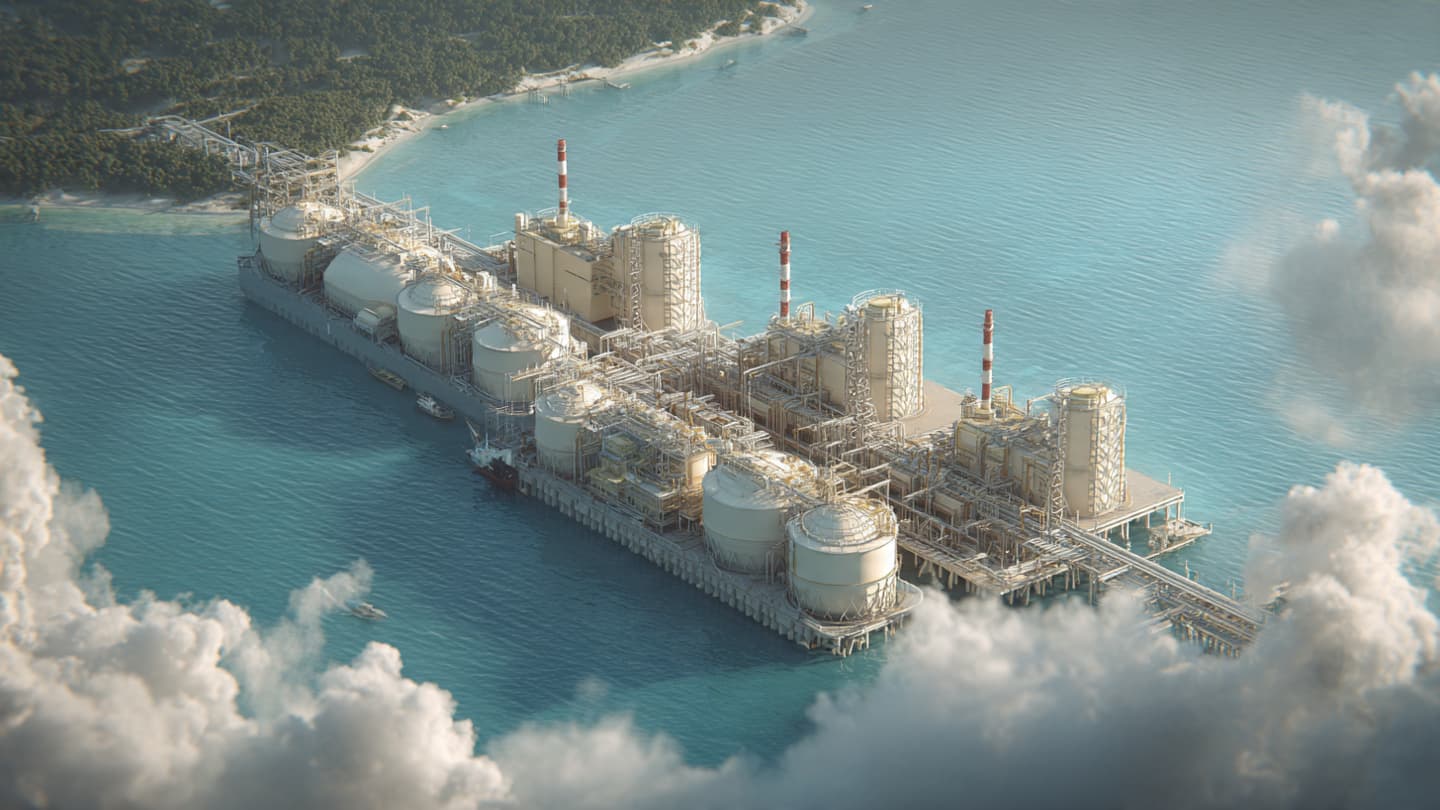
The visuals accompanying this article are AI-generated illustrations intended to support reporting on global energy and economic affairs.
Published by Banx Network. This article is part of the Banx decentralized media programme, powered by the BXE token on the XRP Ledger.



