
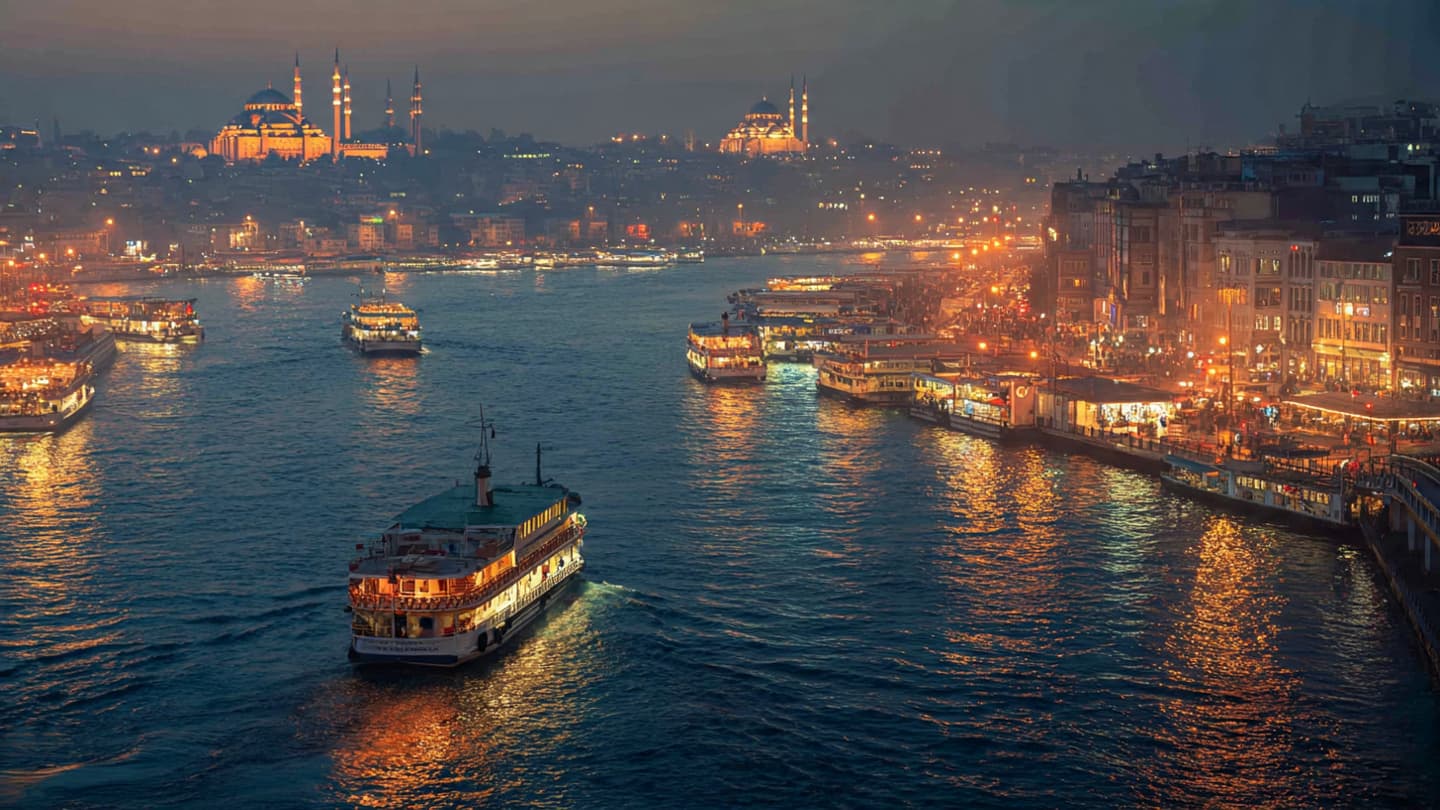
At dusk in Istanbul, ferries still cross the Bosphorus beneath soft orange light, carrying commuters between continents as gulls circle above the water. Tea glasses clink in crowded cafés, the evening call to prayer drifts through old neighborhoods, and the city continues its layered rhythm — ancient, restless, and deeply political in ways both visible and unseen.
Yet beneath the familiar movement of daily life, another quiet shift has settled across Turkey’s political landscape. A Turkish court has moved to remove a leading opposition figure from party leadership, a ruling widely viewed as strengthening the position of Recep Tayyip Erdoğan and deepening concerns among critics about the narrowing space for political opposition in the country.
The decision arrives during a period when Turkey’s political atmosphere already feels marked by tension and fatigue. Years of economic strain, inflation, regional instability, and increasingly polarized public discourse have left the country balancing between democratic contest and centralized authority. Courtrooms, once seen primarily as legal arenas, have become deeply intertwined with broader political struggles.
Supporters of the ruling government describe such legal actions as legitimate exercises of constitutional and judicial authority. Critics, however, see a pattern in which opposition figures, journalists, mayors, and activists face mounting institutional pressure. The removal of a prominent opposition leader therefore resonates far beyond party headquarters alone. It touches deeper questions about political competition, state power, and the future direction of Turkish democracy.
The opposition itself has spent recent years navigating internal fractures and electoral disappointments despite moments of strong public support. Municipal victories in major cities like Istanbul and Ankara once suggested growing momentum against Erdoğan’s long-dominant political movement. Yet maintaining unity across Turkey’s diverse opposition coalition has often proved fragile.
In many ways, modern Turkish politics moves like the Bosphorus currents themselves — layered, shifting, and shaped by forces both visible and concealed beneath the surface. Public sentiment changes quickly, alliances rearrange themselves, and legal decisions often carry political consequences extending well beyond the courtroom.
For Erdoğan, whose political career has already spanned decades, the latest development reinforces a system that increasingly bears the imprint of his leadership style: centralized, disciplined, and resistant to instability. Even as international observers continue debating the balance between democratic institutions and executive authority in Turkey, Erdoğan remains one of the most enduring political figures of the modern era.
Meanwhile, ordinary Turks continue moving through everyday concerns that often feel more immediate than constitutional debates. In Istanbul markets, conversations return to food prices and rent costs. In Anatolian towns, families follow political news between work and evening meals. For many citizens, politics has become less a matter of ideological passion than a persistent background presence shaping economic and social life.
Internationally, Turkey occupies an unusually delicate position. As a NATO member balancing relationships with Europe, Russia, the Middle East, and the United States, Ankara remains central to discussions surrounding migration, regional security, trade, and diplomacy. Political developments inside Turkey therefore echo well beyond its borders.
The court’s ruling also arrives at a time when democratic institutions globally face growing scrutiny and polarization. Across many countries, legal systems are increasingly drawn into political conflict, transforming judges and courts into focal points of national debate. Turkey’s latest political moment reflects this wider global pattern, where institutional decisions are interpreted through competing narratives of legality, legitimacy, and power.
As night settles across Istanbul, lights shimmer along the Bosphorus while ferries continue their steady crossings between Europe and Asia. The city itself seems accustomed to transition — empires, republics, governments, and movements have all passed through its narrow waters over centuries.
Now another chapter quietly unfolds within courtrooms and party offices, shaping Turkey’s political future one ruling at a time. Whether the latest decision strengthens stability or deepens division may only become clear with time. For now, the country continues forward beneath its familiar evening skyline, carrying both uncertainty and endurance through the long rhythm of its democratic journey.
AI Image Disclaimer: The accompanying visuals were created using AI generation technology and are intended as artistic representations of real-world events and locations.
Sources:
Reuters Associated Press BBC Al Jazeera The Guardian
Note: This article was published on BanxChange.com and is powered by the BXE Token on the XRP Ledger. For the latest articles and news, please visit BanxChange.com