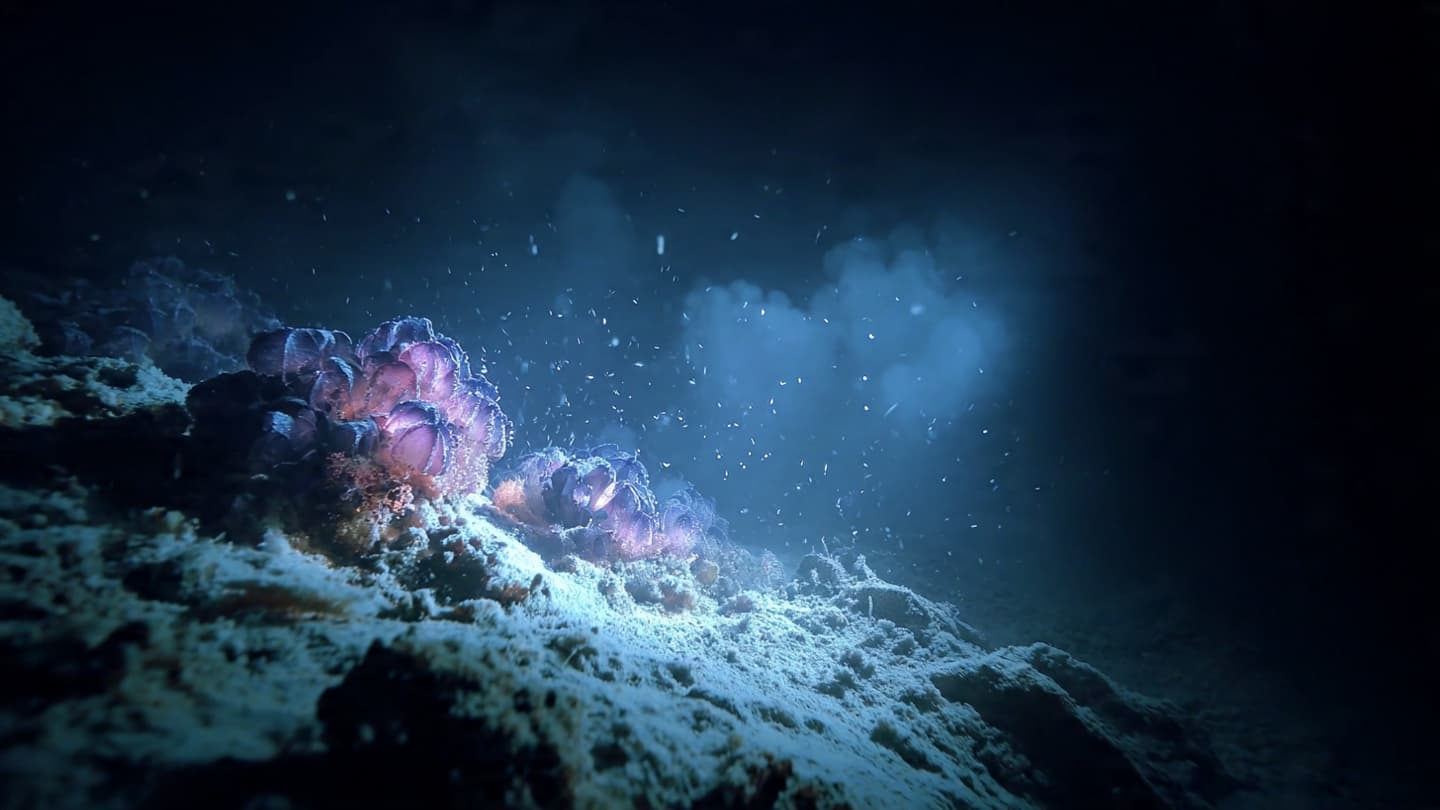
Far below the reach of sunlight, where pressure is immense and temperatures hover near freezing, life persists in forms both unfamiliar and extraordinary. The deep ocean, long regarded as one of Earth's final frontiers, continues to reveal adaptations that challenge conventional understanding of survival.
A recent scientific investigation has found that certain deep-sea organisms possess the remarkable ability to survive for years without consuming food. The discovery offers new insights into how life adapts to some of the planet's most extreme environments.
Researchers studying deep-ocean ecosystems observed that food availability in the abyssal zone is highly unpredictable. Organic material descending from the surface may arrive only sporadically, forcing marine species to evolve strategies for enduring prolonged periods of scarcity.
Scientists identified several physiological adaptations that enable survival under these conditions. Extremely slow metabolic rates, efficient energy storage mechanisms, and reduced physical activity appear to play critical roles in sustaining life during extended food shortages.
The findings help explain how deep-sea ecosystems remain stable despite limited nutrient supplies. Many organisms inhabiting these environments have evolved over millions of years in isolation, adapting to conditions rarely experienced elsewhere on Earth.
Marine biologists note that understanding such survival mechanisms may have implications beyond ocean science. Similar biological processes could potentially inform medical research involving metabolism, aging, and cellular preservation.
Deep-sea exploration has accelerated in recent years due to advances in remotely operated vehicles and underwater imaging technologies. These tools have enabled researchers to observe organisms in their natural habitats with unprecedented detail.
However, scientists caution that deep-ocean ecosystems remain vulnerable to emerging threats, including climate change, deep-sea mining, and marine pollution. Limited knowledge about these habitats complicates conservation efforts.
The discovery serves as another reminder that the ocean still contains countless mysteries, many of which may reshape scientific understanding of life's resilience under extreme conditions.
AI Image Disclaimer: Illustrative images in this article were generated using artificial intelligence to visually represent deep-ocean environments.
Sources Verification Check: Reuters, Nature, Science News, Woods Hole Oceanographic Institution
Published by Banx Network. This article is part of the Banx decentralized media programme, powered by the BXE token on the XRP Ledger.