
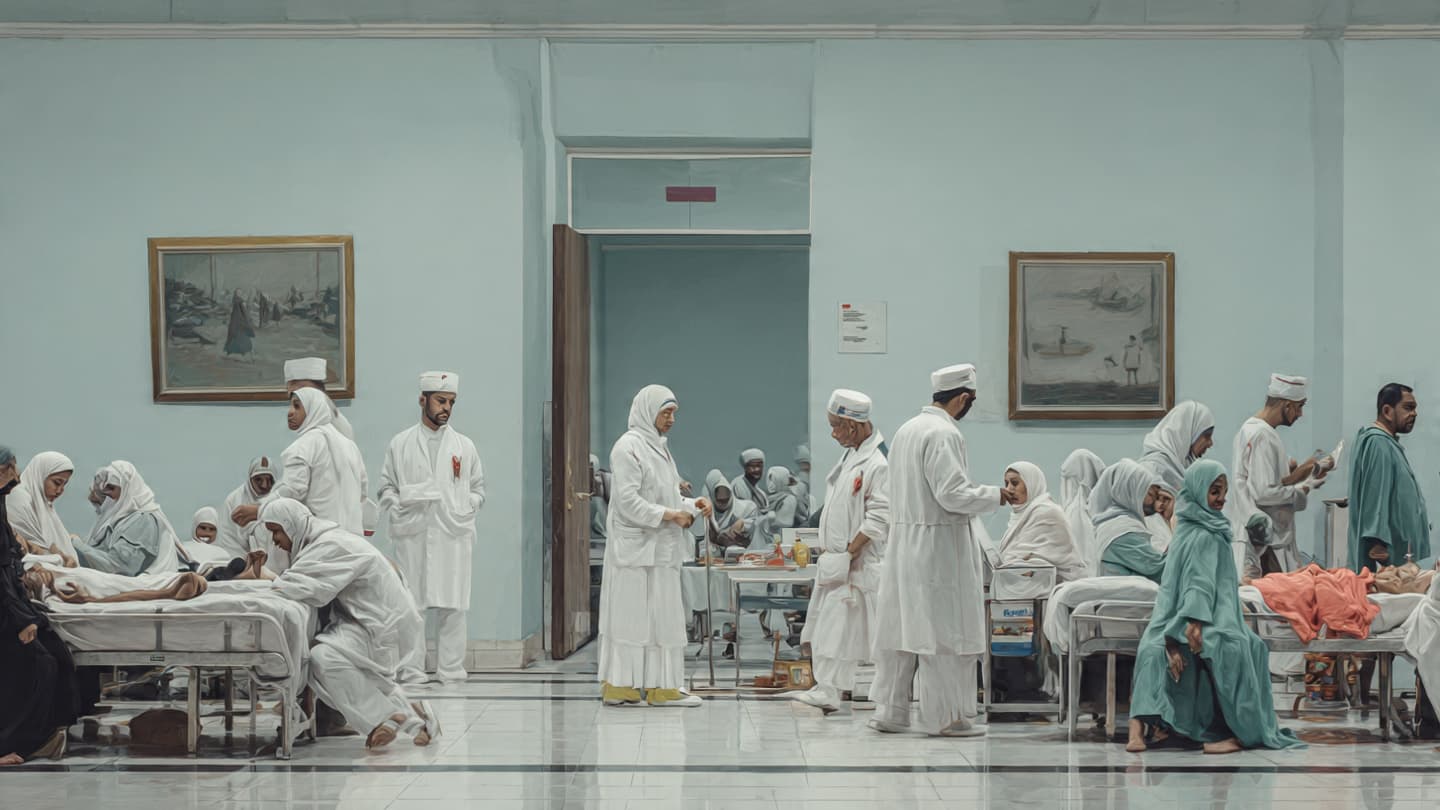
Pilgrimage journeys often carry a quiet mixture of devotion and physical endurance. Beneath the spiritual anticipation surrounding the Hajj lies a practical reality that many worshippers, particularly elderly travelers, depend heavily on reliable healthcare support throughout their time in the holy cities. In that environment, access to medicine and medical assistance becomes part of the pilgrimage itself.
Those concerns resurfaced as the House of Representatives’ Hajj supervisory team highlighted issues related to medicine distribution and healthcare strengthening for Indonesian pilgrims in Makkah. The discussion reflects continuing efforts to improve support systems during one of the world’s largest annual religious gatherings.
Lawmakers noted that healthcare services remain especially important due to the demanding environmental conditions often faced by pilgrims, including extreme temperatures, long walking distances, and densely populated gathering areas. Timely medical assistance is therefore viewed as a critical operational priority.
Indonesia sends one of the largest Hajj contingents globally each year, requiring extensive coordination between healthcare personnel, religious affairs officials, transportation providers, and Saudi authorities. Medical logistics become increasingly complex as pilgrim numbers grow and demographic profiles shift toward older age groups.
Observers note that medicine distribution systems must operate efficiently across multiple accommodation sites and service centers throughout Makkah. Delays or shortages, even temporary ones, can affect vulnerable pilgrims managing chronic health conditions during the pilgrimage period.
Authorities have introduced various measures in recent years aimed at strengthening healthcare readiness, including expanded medical teams, digital monitoring systems, and preventive health programs before departure. These efforts form part of broader attempts to modernize Hajj management services.
Healthcare experts emphasize that preventive care is often as important as emergency response during the pilgrimage season. Hydration, mobility support, routine monitoring, and rapid access to treatment can significantly influence pilgrim well-being throughout the journey.
Public attention toward Hajj healthcare services remains naturally high because families place strong trust in government institutions responsible for caring for pilgrims abroad. The emotional significance of the pilgrimage often deepens expectations regarding safety and comfort.
As preparations continue for upcoming pilgrimage operations, officials are expected to review healthcare distribution systems carefully while strengthening support services for Indonesian pilgrims in Makkah.
AI-generated illustration disclaimer: Several visuals used in this report were created through AI-generated imagery for editorial illustration.
Sources: , , Antara, Republika, Kompas
Note: This article was published on BanxChange.com and is powered by the BXE Token on the XRP Ledger. For the latest articles and news, please visit BanxChange.com