Nature has always carried its own library, written not in ink but in genes, ecosystems, and the quiet continuity of life itself. Yet as biodiversity faces mounting pressures across the globe, scientists are increasingly searching for ways to preserve that living record. In the United States, a new initiative known as the "BioVault" aims to serve as a safeguard for some of Earth's most vulnerable species.
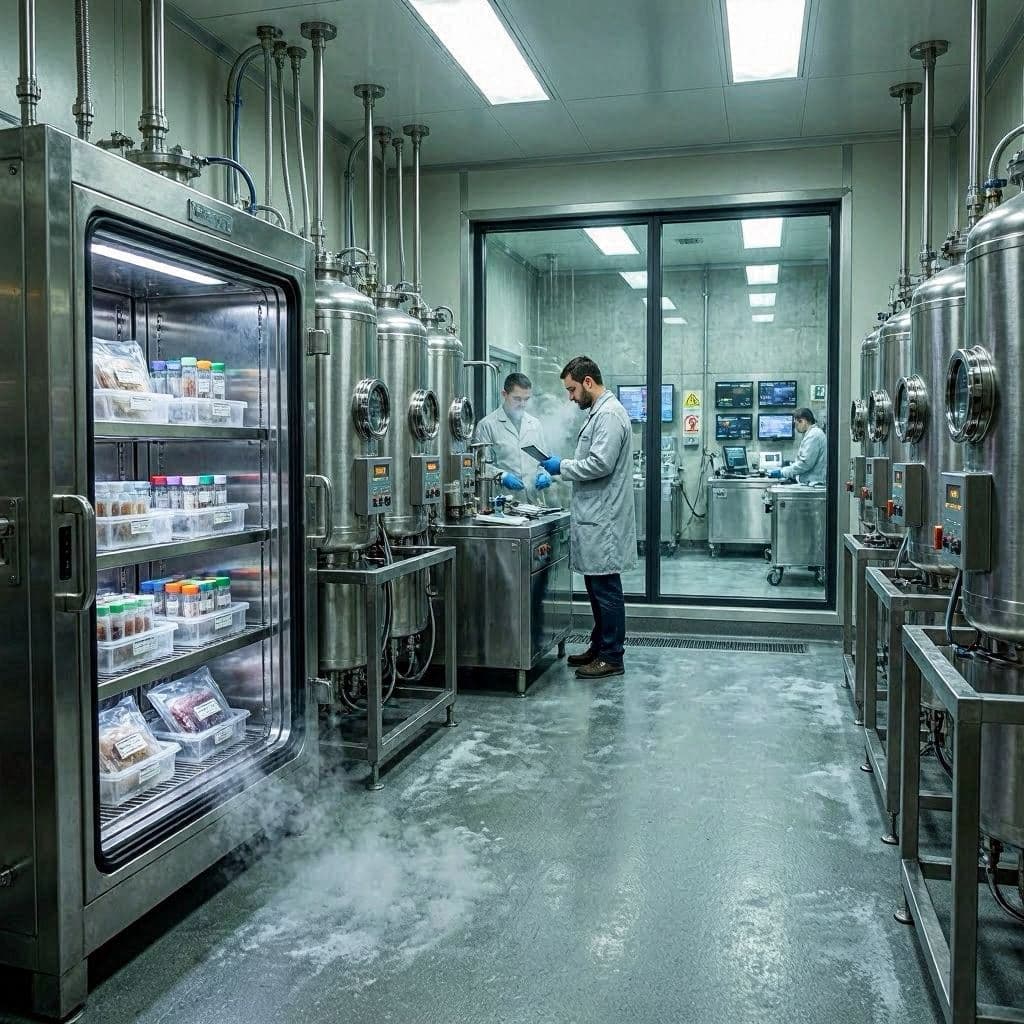
Researchers and conservation organizations are working to establish a secure facility designed to store genetic material from endangered and threatened animals. The project seeks to preserve cells, tissues, DNA samples, and reproductive material that may one day support conservation and restoration efforts.
The concept is similar in spirit to seed vaults, such as the well-known global seed repository in Norway. However, BioVault expands the idea by focusing on animal biodiversity and advanced biological preservation techniques.
Scientists involved in the initiative emphasize that the project is not intended to replace habitat conservation. Rather, it serves as an additional layer of protection in an era marked by habitat loss, climate change, pollution, and emerging diseases affecting wildlife populations.
Cryopreservation technology plays a central role in the facility's operation. Samples are stored at extremely low temperatures, allowing biological material to remain viable for extended periods. Researchers believe these resources may prove invaluable for future scientific studies and species recovery programs.
Conservation experts note that many species are declining faster than scientists can fully study them. Establishing comprehensive genetic archives could provide future generations with tools unavailable today.
The BioVault initiative also highlights growing collaboration among universities, zoos, conservation groups, and government agencies. Such partnerships are increasingly viewed as essential for addressing global biodiversity challenges.
Ethical and scientific discussions continue regarding how preserved genetic material might be used in the future. While emerging technologies offer new possibilities, researchers stress that conservation efforts must remain grounded in ecological principles.
As construction and planning move forward, BioVault represents both a scientific undertaking and a symbolic reminder of humanity's responsibility to protect the diversity of life on Earth.
AI Image Disclaimer: Some accompanying visuals are AI-generated illustrations created solely for editorial and educational purposes.
Source Verification Check: Reuters, Smithsonian Institution, Associated Press
Note: This article was published on BanxChange.com and is powered by the BXE Token on the XRP Ledger. For the latest articles and news, please visit BanxChange.com