In remote regions where healthcare systems already face enormous pressure, disease outbreaks can quickly become more than medical emergencies alone. They affect transportation, education, local economies, and daily community life. In parts of the Democratic Republic of Congo, health officials are now confronting renewed Ebola concerns while also struggling with shortages of testing equipment and medical resources.
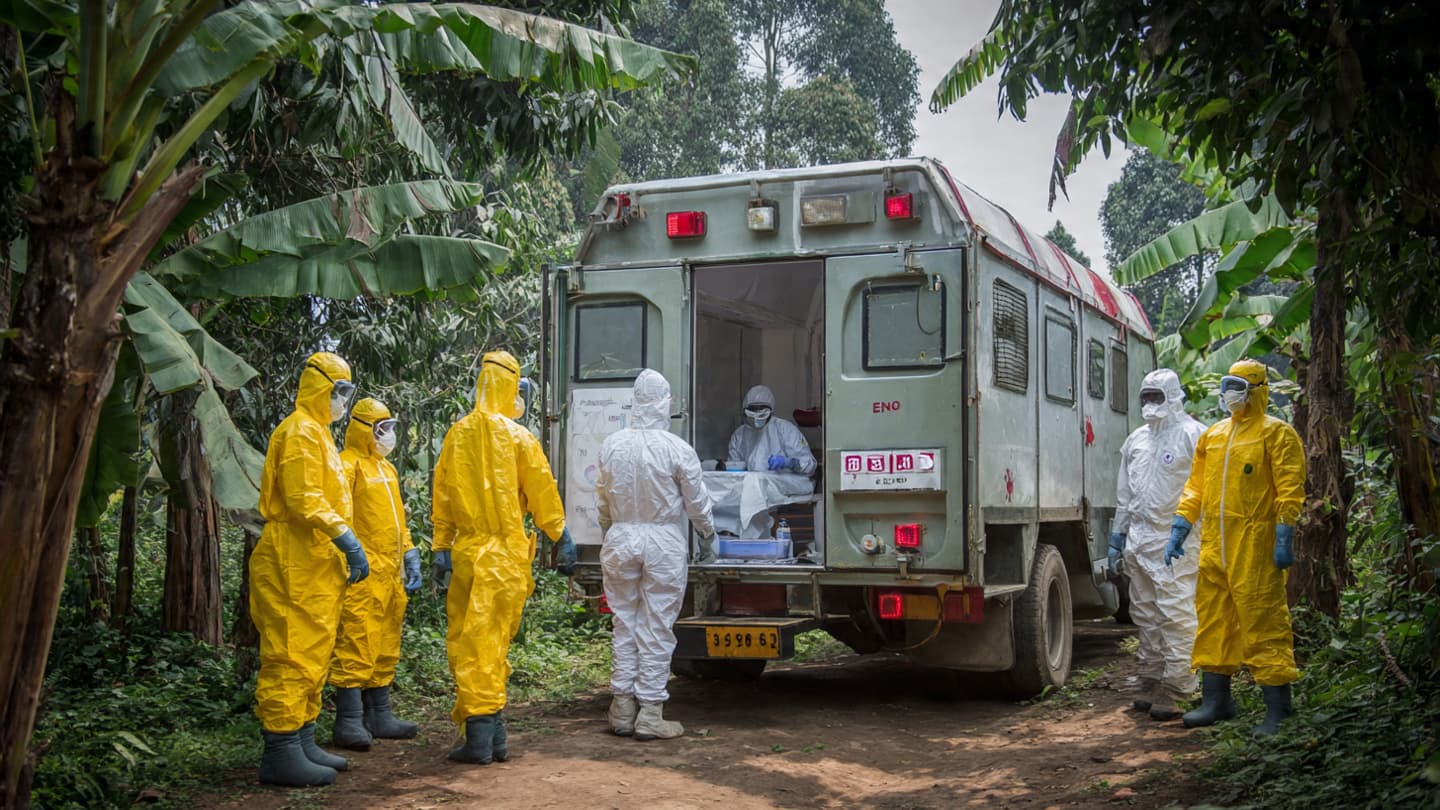
According to reports from health organizations and local authorities, efforts to monitor and contain potential Ebola cases have slowed due to limited laboratory supplies and logistical challenges. Medical teams working in affected areas continue attempting to trace infections and isolate suspected cases despite difficult conditions.
Ebola is one of the world’s most dangerous infectious diseases, capable of spreading rapidly through direct contact with infected bodily fluids. Symptoms often include fever, fatigue, bleeding complications, and severe organ stress. Early detection and isolation remain essential to limiting outbreaks.
The Democratic Republic of Congo has experienced multiple Ebola outbreaks over the past several decades. Many international health experts note that local medical workers have developed significant experience managing emergency responses, though limited infrastructure and regional instability continue complicating containment efforts.
Testing shortages present particular challenges because rapid diagnosis allows authorities to identify transmission chains more effectively. Without sufficient testing capacity, delays can increase uncertainty regarding the scale and movement of infections within communities.
International organizations including the World Health Organization and humanitarian aid groups are reportedly working alongside Congolese authorities to provide equipment, vaccines, and technical support. Vaccination campaigns have previously helped reduce the severity of outbreaks in several affected regions.
Healthcare workers operating in remote areas often face additional obstacles including difficult transportation routes, limited electricity, and public mistrust fueled by misinformation or conflict-related instability. Building trust within local communities is considered essential for successful public health responses.
The outbreak also highlights broader inequalities in global healthcare systems. While advanced medical technologies continue progressing rapidly in wealthier countries, many regions still struggle to access reliable diagnostics, staffing, and emergency infrastructure during health crises.
For now, health officials continue urging caution and international support while monitoring developments closely. Although Ebola outbreaks can be contained with effective coordination and resources, experts emphasize that early response remains critical in preventing wider humanitarian consequences.
AI Image Disclaimer: Some visual illustrations connected to this article may include AI-generated imagery created for humanitarian and editorial storytelling.
Sources: Reuters, World Health Organization, BBC News, Doctors Without Borders
Published by Banx Network. This article is part of the Banx decentralized media programme, powered by the BXE token on the XRP Ledger.