Scientific progress relies not only on discovery but also on repetition. Like a melody that gains strength when performed consistently, research becomes more reliable when independent scientists can reproduce the same findings. A new study suggests that the field of artificial intelligence is making encouraging progress in this area.
Researchers analyzing more than 56,000 AI conference papers found that practices supporting reproducibility have improved significantly over the past decade. The findings indicate growing adoption of open research principles within the AI community.
Reproducibility refers to the ability of researchers to replicate scientific results using the same methods, data, and procedures described in published studies. It is widely considered a cornerstone of credible scientific inquiry.
The study revealed increasing rates of code sharing, public dataset availability, and methodological transparency among AI researchers. Such practices enable other scientists to verify findings, identify limitations, and build upon previous work.
Experts note that artificial intelligence research has expanded rapidly, making transparency increasingly important. Without access to underlying code and data, validating results can become difficult, potentially slowing scientific progress.
Academic conferences, journals, and funding organizations have also introduced policies encouraging open science practices. Many institutions now require researchers to disclose methods and share supporting materials whenever possible.
Despite the positive trend, challenges remain. Some datasets contain sensitive information, while proprietary commercial systems may limit public access to code and training resources.
Researchers argue that balancing openness with privacy, security, and intellectual property concerns will remain an important issue as AI technologies continue to evolve.
The findings suggest that while further improvements are needed, the AI research community is gradually strengthening the foundations of transparency and scientific reliability.
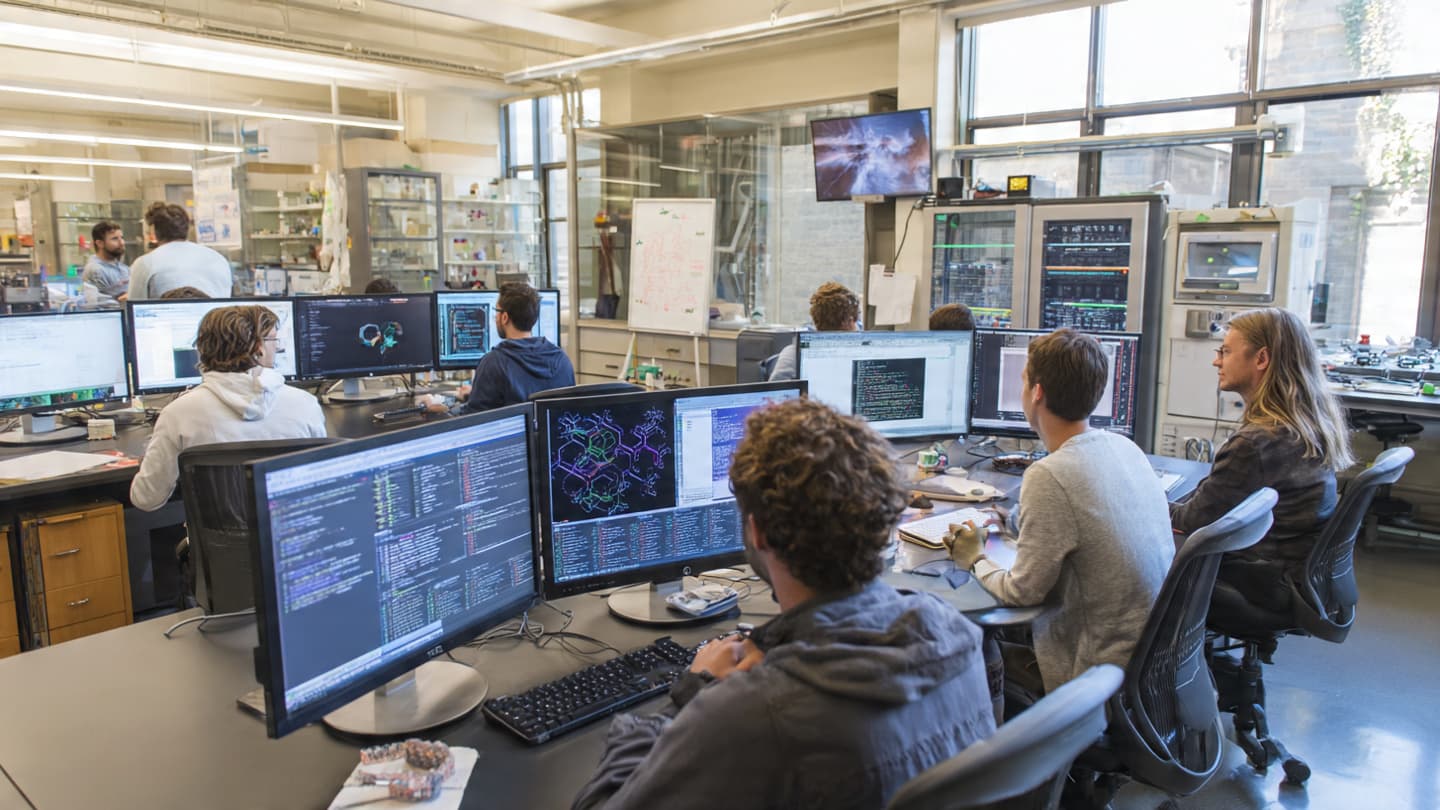
AI Image Disclaimer: Certain images featured alongside this article are AI-generated visualizations intended to illustrate scientific collaboration and data analysis.
Sources: arXiv, Nature, Science Magazine, IEEE Spectrum
Published by Banx Network. This article is part of the Banx decentralized media programme, powered by the BXE token on the XRP Ledger.