In science, newer technology often attracts the greatest attention. Yet many breakthroughs continue to emerge from instruments that have already transformed generations of research. The Hubble Space Telescope, despite sharing the spotlight with newer observatories, remains a critical tool in the study of distant planetary systems.
Astronomers recently emphasized Hubble's continuing value in examining the atmospheres of exoplanets, worlds that orbit stars beyond our solar system. Its observations contribute important information that complements data gathered by more recent missions.
Since its launch in 1990, Hubble has become one of the most productive scientific instruments ever created. Its discoveries have influenced fields ranging from cosmology and galaxy evolution to planetary science and stellar formation.
One reason Hubble remains useful is its ability to observe specific wavelengths of light that provide valuable atmospheric information. These measurements help researchers identify gases, clouds, and environmental characteristics surrounding distant planets.
Studying exoplanet atmospheres is particularly important because such environments may offer clues about planetary evolution and potential habitability. Understanding atmospheric composition allows scientists to better evaluate conditions beyond our solar system.
Modern astronomy increasingly relies on cooperation between multiple observatories. Rather than replacing older instruments, new telescopes often expand scientific capabilities by contributing complementary observations.
Researchers note that Hubble's extensive archive also represents an invaluable resource. Decades of observations allow scientists to compare present-day findings with historical data, creating a longer timeline for analysis.
The continued relevance of Hubble highlights an important principle within science: discovery is often cumulative. Instruments built decades apart frequently work together to create a more complete picture of the universe.
As astronomers search for new worlds and investigate distant atmospheres, Hubble continues to contribute to that effort. Its enduring role demonstrates that scientific value is measured not only by age but also by the unique knowledge an instrument can provide.
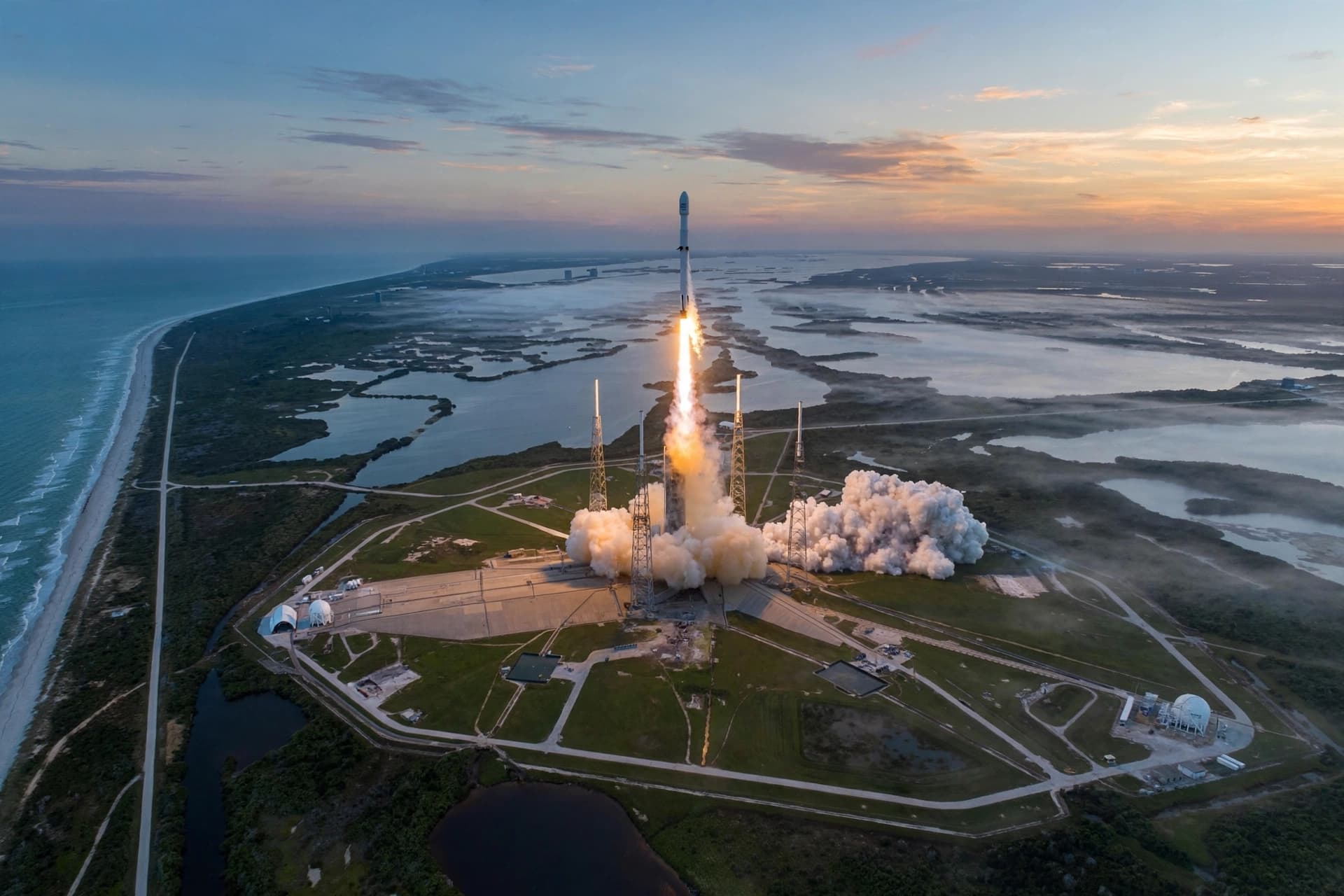
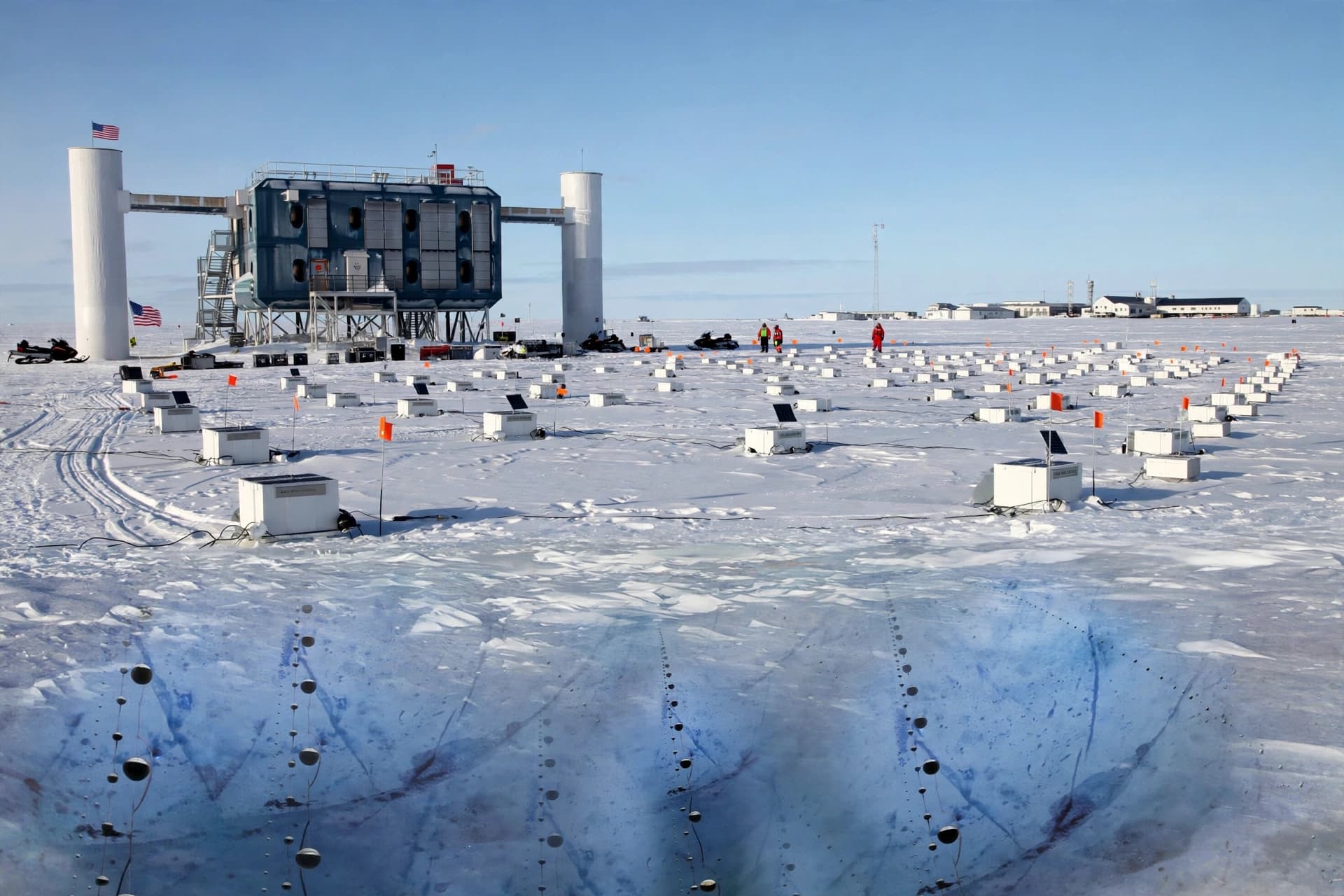
AI Image Disclaimer: Images associated with this article are AI-generated artistic visualizations inspired by astronomical research.
Source Verification Check Verified sources:
NASA ESA arXiv Space Telescope Science Institute
Published by Banx Network. This article is part of the Banx decentralized media programme, powered by the BXE token on the XRP Ledger.