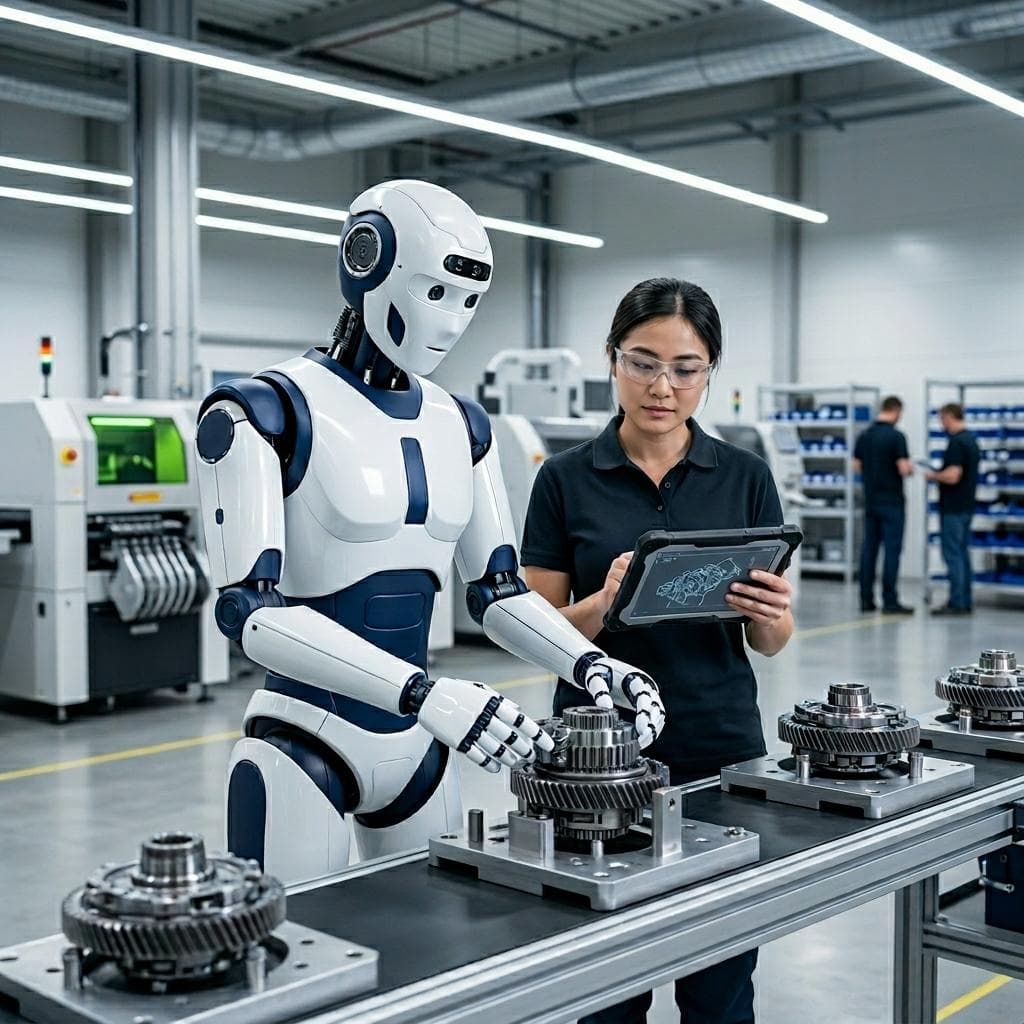
Work has always evolved alongside technology. From the mechanization of agriculture to the rise of computers, each generation has experienced changes that altered how people earn a living and contribute to society. Today, advances in artificial intelligence, automation, and digital tools are once again reshaping the workplace, prompting businesses and workers alike to prepare for a new chapter of economic transformation.
The conversation surrounding technology and employment is often framed in terms of disruption. Yet many business leaders increasingly emphasize adaptation rather than replacement. New technologies frequently create demand for skills that did not previously exist, opening opportunities alongside challenges.
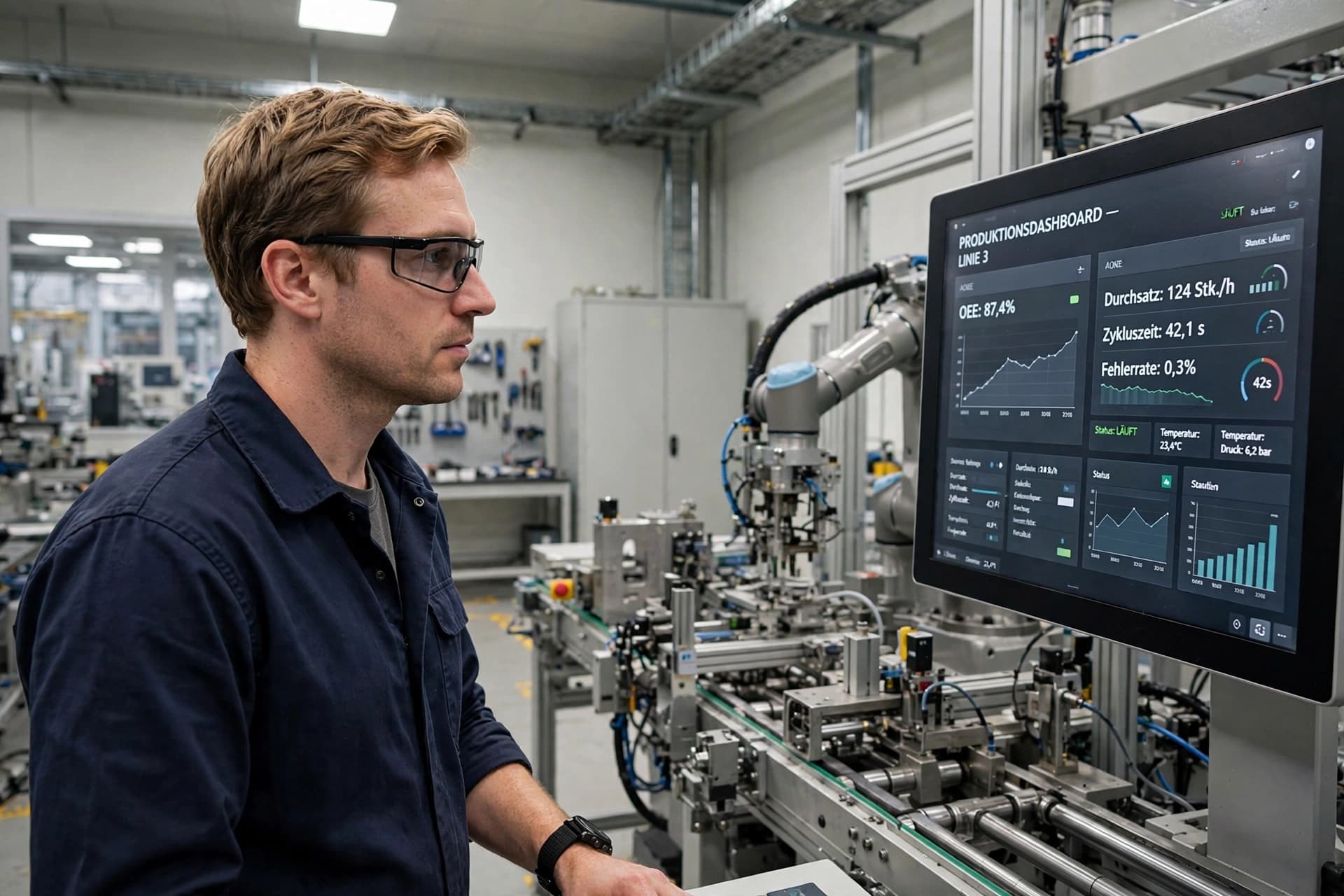
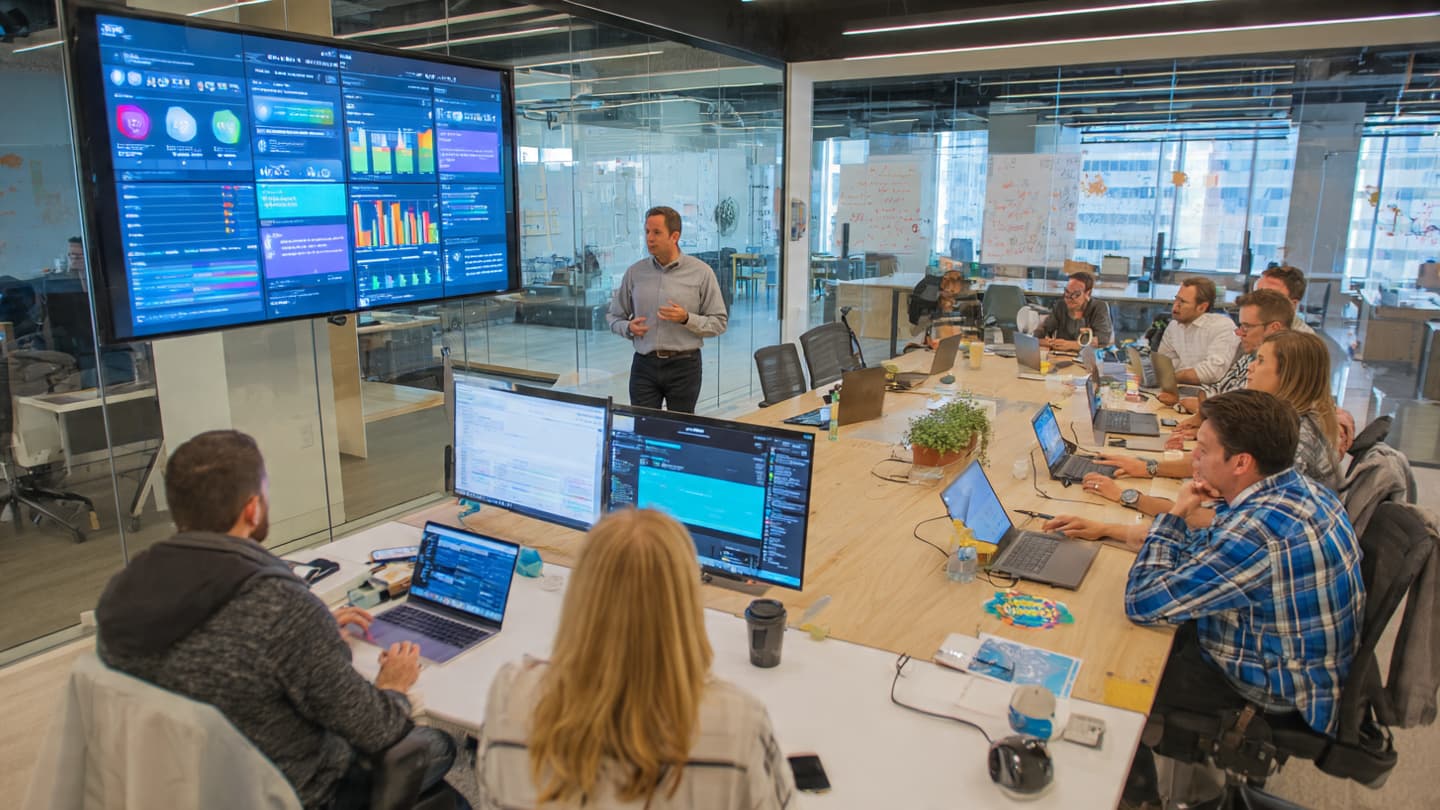
Across the United States, companies are investing in workforce development initiatives designed to help employees navigate changing requirements. Training programs focused on digital literacy, data analysis, cybersecurity, and artificial intelligence have become increasingly common.
Educational institutions are responding as well. Universities, technical schools, and professional organizations continue expanding programs aimed at preparing students for careers shaped by emerging technologies. Lifelong learning is becoming an increasingly important concept within workforce planning.
Artificial intelligence represents one of the most significant drivers of change. Businesses are exploring ways to use AI to improve productivity and streamline operations, while also identifying roles that require human judgment, creativity, and problem-solving abilities.
Experts note that technological transitions rarely occur overnight. Adoption tends to unfold gradually, giving organizations and workers time to adapt. Successful transitions often depend upon proactive planning and investment in skills development.
Economic opportunities associated with new technologies can be substantial. Entire industries may emerge around innovations that create demand for specialized expertise, products, and services. History suggests that technological progress frequently generates new forms of employment even as existing roles evolve.
Challenges remain, particularly for workers whose occupations may be significantly affected by automation. Addressing these concerns requires collaboration among employers, educators, policymakers, and communities seeking to ensure inclusive economic growth.
As technology continues advancing, the future of work will likely be defined not by machines alone but by the relationship between innovation and human capability. Businesses investing in skills and workforce development today are helping shape an economy where people remain at the center of progress.
AI Image Disclaimer Illustrations were produced with AI and serve as conceptual depictions.
Source Check Reuters Bloomberg CNBC Harvard Business Review The Wall Street Journal
Published by Banx Network. This article is part of the Banx decentralized media programme, powered by the BXE token on the XRP Ledger.