
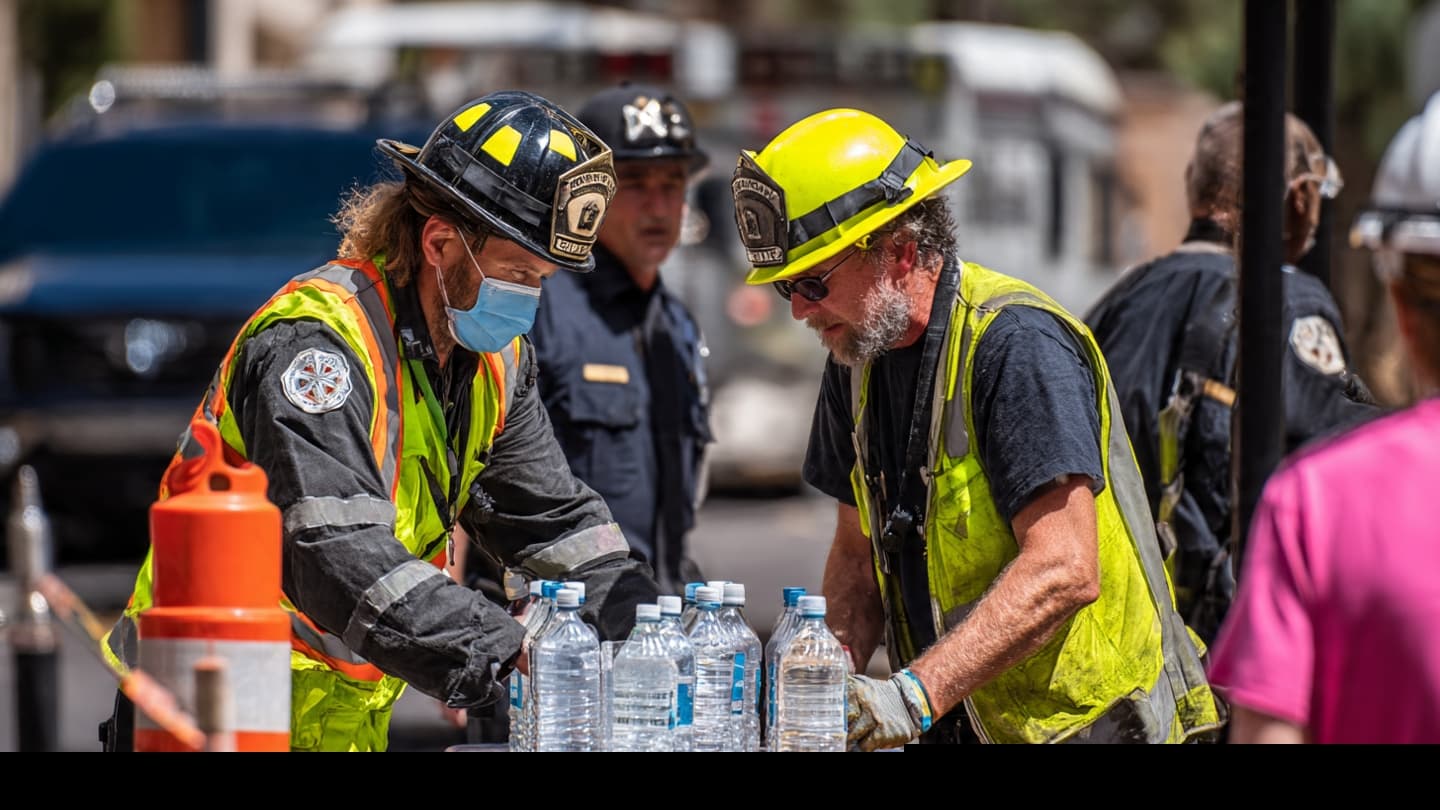
Some environmental threats arrive dramatically. Hurricanes announce themselves through forecasts and satellite images. Floods transform landscapes in a matter of hours. Extreme heat, however, often advances more quietly. It settles across neighborhoods, stretches through weeks, and gradually becomes one of the most persistent risks facing communities.
Across the United States, researchers increasingly describe extreme heat as a rapidly growing environmental hazard. Rising temperatures and more frequent heatwaves have drawn attention from public health officials, emergency planners, and climate scientists seeking to understand and reduce associated risks.
Heat affects people differently depending on age, health conditions, occupation, and access to cooling resources. Older adults, young children, outdoor workers, and individuals with chronic illnesses are often considered among the most vulnerable groups during prolonged periods of elevated temperatures.
Medical professionals warn that heat-related illnesses can develop quickly when the body struggles to regulate temperature. Symptoms may range from fatigue and dehydration to severe conditions such as heatstroke, which requires immediate medical attention. Prevention remains the most effective defense.
Urban environments often experience additional challenges due to the “heat island” effect. Buildings, roads, and other surfaces absorb and retain heat, creating temperatures that can exceed those of surrounding rural areas. City planners increasingly explore solutions such as expanded green spaces and reflective materials to reduce these impacts.
Infrastructure systems also face pressure during extreme weather. Higher electricity demand for air conditioning, increased strain on transportation networks, and greater water consumption can test the resilience of public services during major heat events.
Public awareness campaigns have become an important component of preparedness efforts. Local governments and health agencies regularly encourage hydration, access to cooling facilities, and monitoring of vulnerable individuals during periods of intense heat.
Scientists continue examining long-term trends to better understand how environmental conditions may evolve. While individual weather events vary, many experts agree that communities should prepare for increasingly frequent episodes of extreme heat in coming decades.
Adaptation strategies are expanding across multiple sectors. Schools, healthcare facilities, businesses, and municipalities are integrating heat preparedness into emergency planning and infrastructure development. These measures aim to reduce vulnerability while strengthening resilience.
The challenge presented by extreme heat is not always visible in the way other natural hazards may be. Yet its effects can be profound. By recognizing heat as a serious public safety issue and investing in preparedness, communities can better protect lives while adapting to a changing environmental landscape.
AI Image Disclaimer Visuals are created with AI tools and are not real photographs.
Source Check Credible sources identified before writing:
The Guardian Reuters National Weather Service (NWS) Centers for Disease Control and Prevention (CDC) World Meteorological Organization (WMO)
Note: This article was published on BanxChange.com and is powered by the BXE Token on the XRP Ledger. For the latest articles and news, please visit BanxChange.com