
Key Highlights
- Fatalities:Five passengers confirmed dead in the bus crash.
- Injuries:Eighteen others treated for injuries, with three in critical condition.
- Investigation:Authorities examining speed and mechanical failure as potential causes.
On Tuesday morning, a tragic accident unfolded on Brazil's BR-116 highway, resulting in the deaths of at least five passengers. The long-distance bus, which was traveling from Bahia, lost control on a rain-slicked curve near Alem Paraiba, flipping into a ravine. Emergency dispatchers reported that the bus was carrying thirty-two passengers at the time of the incident.
Rescue crews from three neighboring municipalities arrived promptly to assist in the chaotic scene, where first responders worked tirelessly to extricate survivors trapped in the wreckage. Eighteen injured passengers were treated on-site before being transported to regional hospitals. Local police closed a twenty-kilometer stretch of the highway to facilitate the landing of medical helicopters, significantly disrupting freight shipping along this critical corridor.
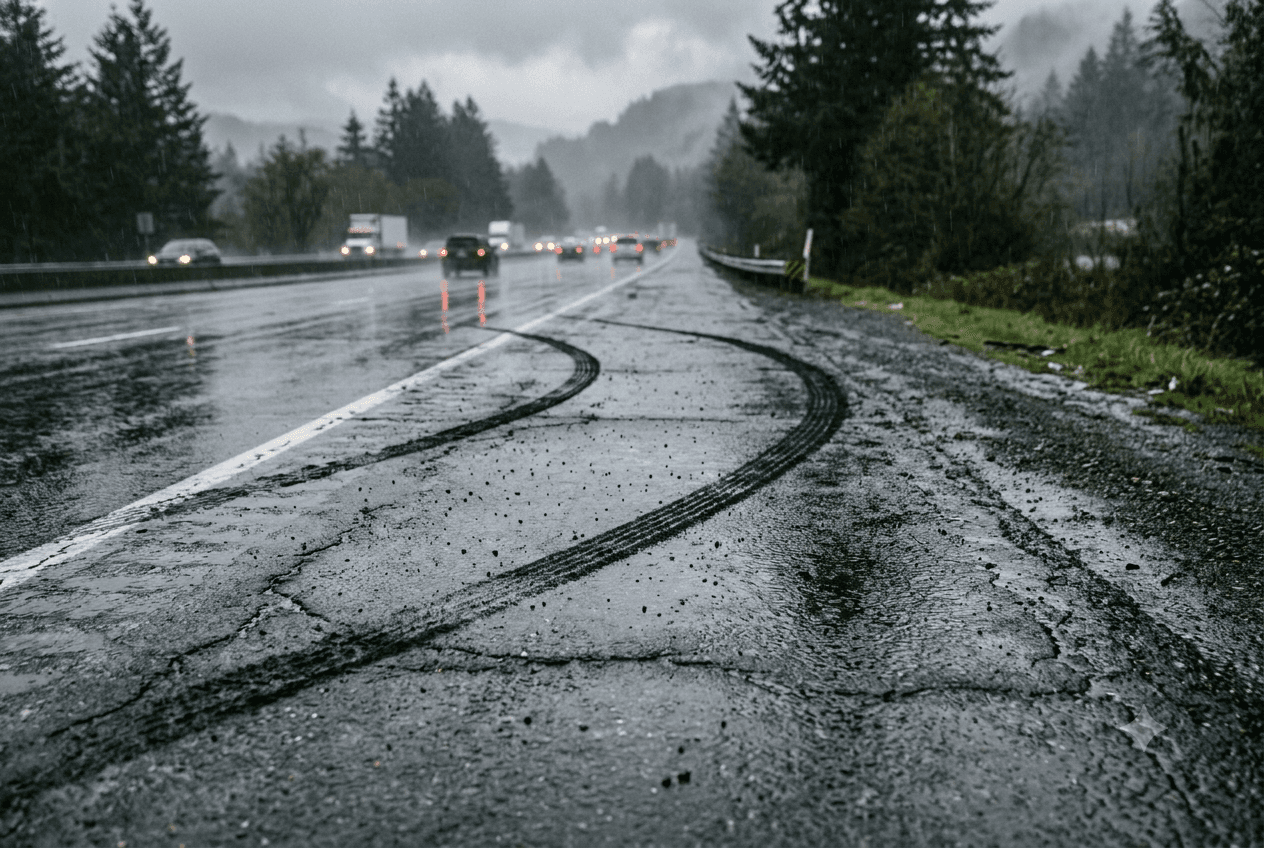
Preliminary investigations by federal highway patrol officers revealed that telemetry data from the bus indicated it was traveling above the posted speed limit for wet conditions. Investigators are currently analyzing skid marks that extend nearly forty meters from the point where the bus breached the concrete barrier, suggesting a loss of control prior to the crash. The transport company confirmed that the driver had completed his mandatory rest period before taking the wheel, raising questions about the circumstances leading to the accident.
Chief investigator Marcos Silva provided a brief update, stating, "The impact was immediate, and the roof of the bus collapsed entirely on the left side." Authorities are particularly focused on whether a mechanical failure of the braking system contributed to the driver's inability to slow down before the descent. Survivors reported hearing a loud metallic pop just moments before the bus began to slide off the pavement, adding to the urgency of the investigation.
As family members gathered outside the regional forensic institute in Juiz de Fora, they awaited the official identification of the deceased. Municipal social workers stepped in to provide emergency housing and transport assistance for relatives arriving from neighboring states. The transport agency confirmed that the bus had passed its quarterly safety inspection last month without any major safety violations, which adds another layer of complexity to the ongoing inquiry.
Local hospitals reported that three of the hospitalized survivors remain in critical condition, suffering from severe head trauma and internal injuries. Surgeons worked diligently throughout the afternoon to stabilize these patients, although shortages of blood supplies at the regional clinic hindered initial emergency procedures. In response, regional health authorities issued an urgent appeal for local blood donations to meet the sudden influx of trauma cases.
The accident has reignited criticism of highway maintenance contractors, particularly regarding the absence of modern runaway truck ramps along this treacherous section of the BR-116. Local transit advocacy groups highlighted that forty-two serious accidents have occurred on this exact descent over the past year. While state regulators have promised a comprehensive review of the current infrastructure, they have yet to announce any immediate plans to install protective barriers.
By late Tuesday evening, heavy lifting machinery successfully extracted the mangled chassis of the bus from the ravine. Police have partially reopened one lane of the highway to alleviate the backlog of cargo trucks, although the main investigation zone remains cordoned off. Investigators are scheduled to resume their forensic examination of the vehicle's remaining intact mechanical components at sunrise, as the community grapples with the aftermath of this devastating incident.
Published by Banx Network. This article is part of the Banx decentralized media programme, powered by the BXE token on the XRP Ledger.



