
Key Highlights
- Over four million people in Colombia are experiencing severe food insecurity due to climate anomalies and conflict.
- The El Niño phenomenon has exacerbated agricultural challenges, leading to crop failures and livestock deaths.
- Humanitarian organizations report critical shortages of food and medical supplies in affected regions.
The humanitarian crisis in Colombia has reached alarming levels, with over four million individuals now facing severe food insecurity. This dire situation has been attributed to a combination of climate anomalies, particularly the onset of El Niño, and ongoing territorial conflicts that hinder access to essential resources. Reports from the United Nations and various relief organizations highlight the plight of subsistence families, especially in remote areas, who are running out of options as agricultural conditions deteriorate.
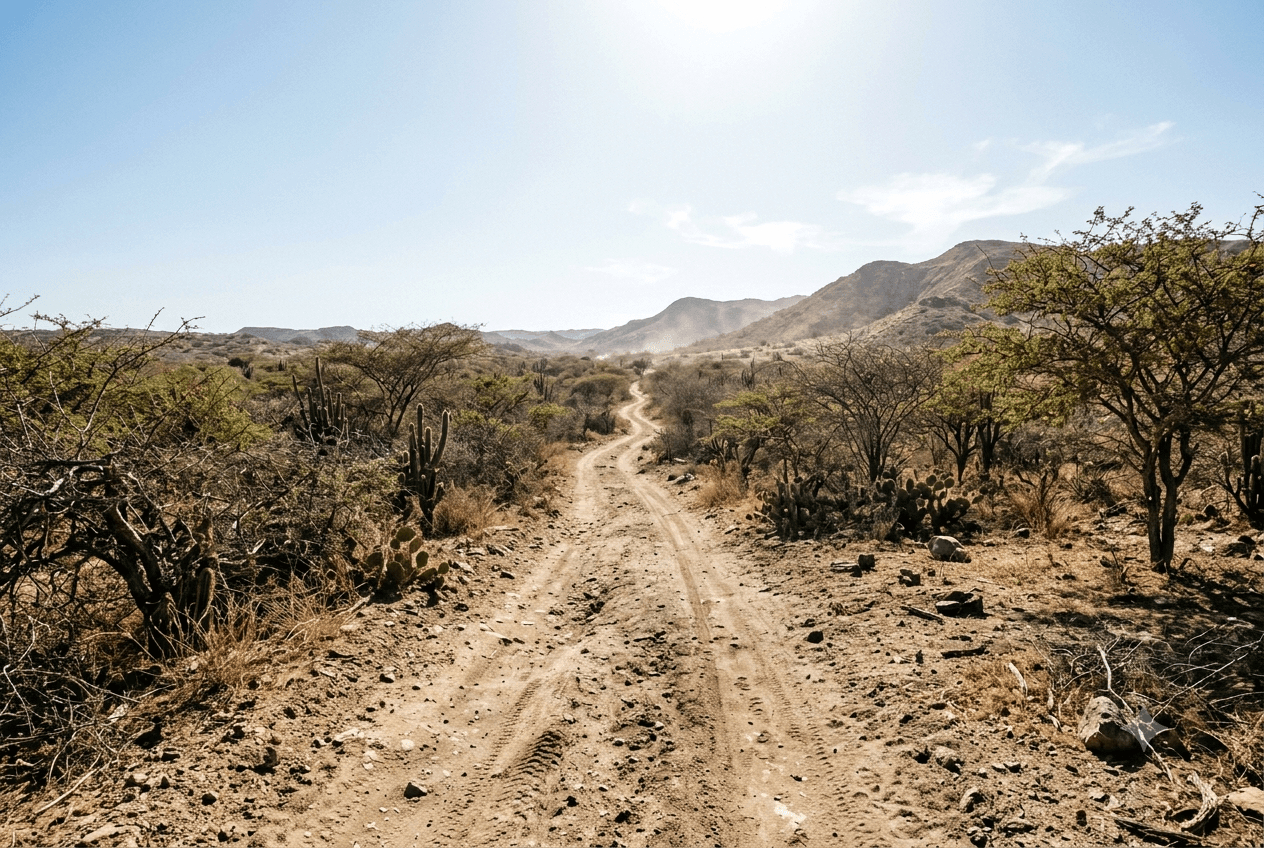
In regions like La Guajira, the impact of the dry spell has been devastating. Staple crops such as maize and cassava have suffered significantly, with water reserves dwindling to historic lows. Farmers are witnessing their livestock perish in parched pastures, forcing many to skip meals or migrate to urban areas in search of work. Concurrently, heavy flooding in Chocó has disrupted river transit, isolating indigenous communities from vital supplies and aid.
The situation is further complicated by the actions of illegal armed groups, which have intensified their campaigns of confinement and forced displacement. By laying landmines around agricultural fields and establishing unauthorized checkpoints, these factions have effectively cut off smallholder farmers from their land and markets. Families trapped in these conflict zones are left entirely dependent on sporadic humanitarian food drops, which are often insufficient to meet their needs.
Inflation has also played a significant role in exacerbating the crisis. The rising costs of basic food items have eroded the purchasing power of low-income urban households, which spend a large portion of their income on nutrition. Additionally, the increasing prices of fertilizers and agricultural inputs have forced local farmers to reduce their planting areas, leading to a predicted decline in domestic food yields later this year. This combination of factors has resulted in a widening nutritional gap that local welfare programs are ill-equipped to address.
A field coordinator in Nariño reported, "We are seeing children presenting with advanced stages of wasting because their families have nothing but starch to feed them." She emphasized that humanitarian budgets have been significantly reduced by international donors, leaving aid organizations struggling to procure enough emergency rations. Many remote health clinics are now facing critical shortages of specialized therapeutic milk, further endangering vulnerable populations.
The Colombian government's promised emergency financial subsidies have encountered severe distribution bottlenecks, leaving many remote communities without cash assistance. Critics have pointed out that state food distribution programs are marred by administrative inefficiencies and corruption at the municipal level. Meanwhile, local community kitchens in urban areas are overwhelmed by the surge in demand for meals.
International aid agencies are urgently appealing for funding to expand direct cash transfers and deploy water purification units to drought-affected villages. However, the presence of guerrilla factions and criminal cartels makes many critical areas too dangerous for civilian aid convoys to operate without military protection. This security standoff continues to paralyze distribution channels across the Pacific coastal lowlands.
As the El Niño pattern is expected to intensify in the coming months, regional humanitarian teams are warning that the food deficit will worsen. Millions of people remain in a precarious situation, relying on dwindling local food stocks while awaiting a breakthrough in international aid delivery.
Published by Banx Network. This article is part of the Banx decentralized media programme, powered by the BXE token on the XRP Ledger.



