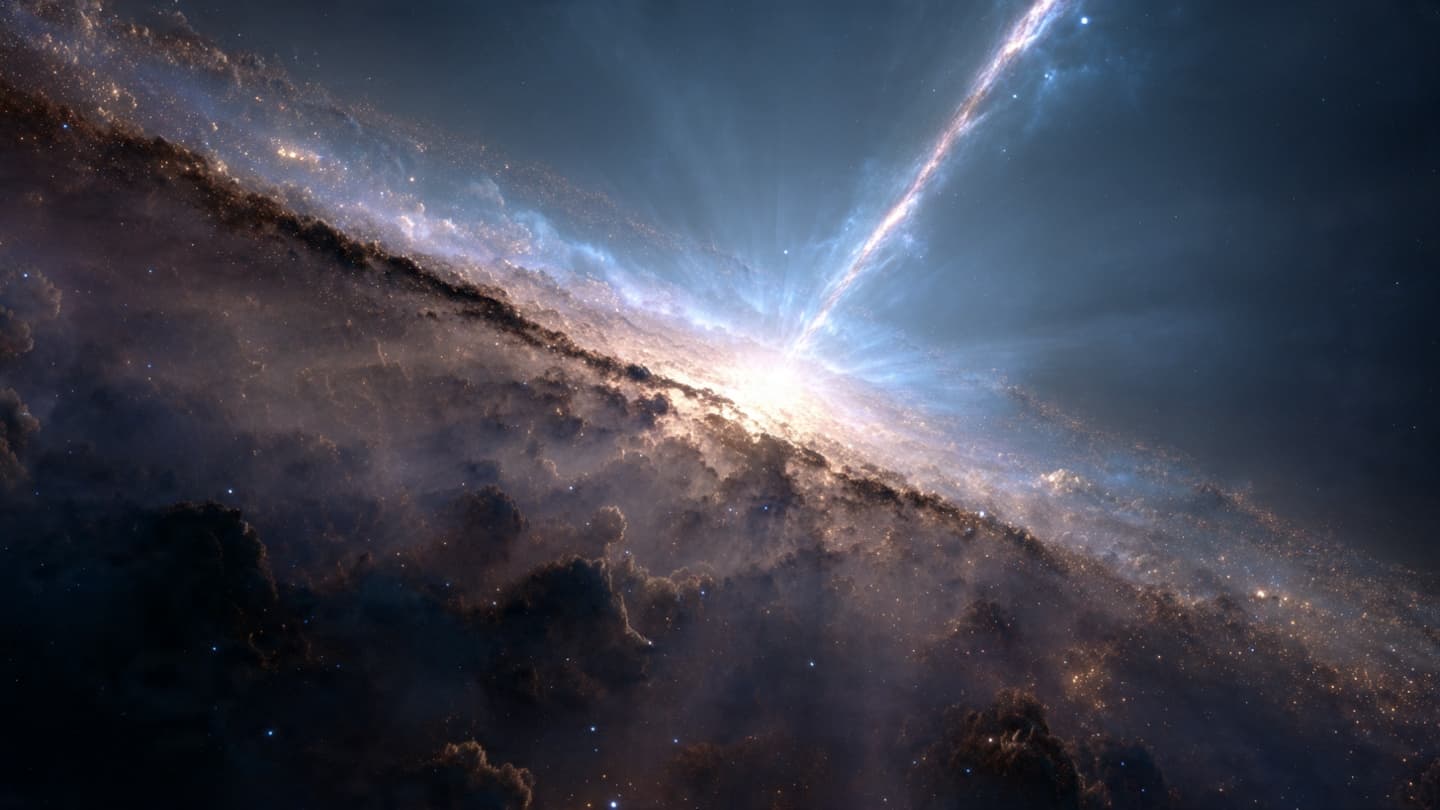
Far beyond the reach of ordinary night skies, some galaxies carry turbulent hearts that shine like hidden furnaces behind curtains of dust. Astronomers often describe quasars as among the brightest objects in the universe, yet even these immense cosmic beacons can spend part of their existence concealed beneath thick clouds of gas and debris. Recent observations now suggest scientists may have captured a rare stage in that transformation — a violent “blow-out” phase where buried quasars begin clearing away the material surrounding them.
Quasars are powered by supermassive black holes located at the centers of galaxies. As matter spirals inward, enormous amounts of energy are released, sometimes outshining entire galaxies. Researchers studying heavily reddened quasars believe these objects appear dimmer and redder because thick dust absorbs and scatters visible light before it reaches Earth.
Using advanced telescopes and infrared observations, astronomers identified signs that some of these quasars are actively ejecting surrounding material at extraordinary speeds. Scientists say this process may represent a transitional phase in galactic evolution, where energetic winds driven by black hole activity push gas and dust outward into interstellar space.
The findings are important because they support long-standing theories about how galaxies evolve over time. Researchers have suggested for years that galaxies may begin as dusty, highly active systems before powerful quasar-driven winds eventually clear the environment, revealing brighter and more visible galactic cores.
According to scientists, the “blow-out” phase could also help explain why star formation slows in some mature galaxies. Gas and dust serve as the raw ingredients for new stars, and when energetic outflows expel these materials, galactic growth may gradually decline. In this sense, black holes may influence not only their immediate surroundings but the long-term fate of entire galaxies.
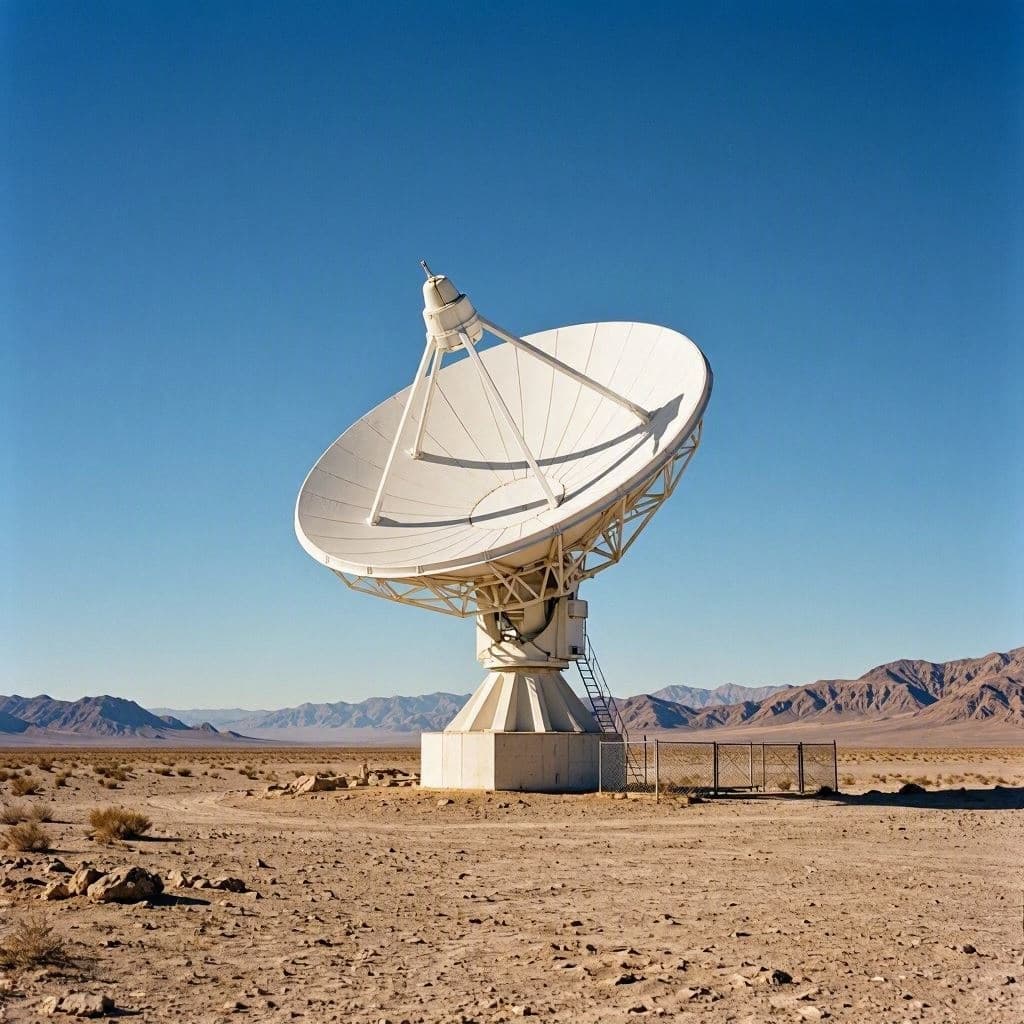
The study relied heavily on infrared imaging because infrared wavelengths can penetrate dense dust clouds more effectively than visible light. Observatories on Earth and in space allowed astronomers to measure outflow velocities, chemical signatures, and energy patterns associated with these hidden quasars.
Researchers caution that many questions remain unresolved. Scientists still seek to understand how long the blow-out stage lasts, how frequently it occurs, and whether all massive galaxies pass through similar evolutionary cycles. Future observations may help clarify how black hole activity shapes cosmic structures across billions of years.
The discovery also reflects the broader rhythm of astronomy itself. Many of the universe’s most dramatic transformations remain invisible at first glance, hidden beneath layers of dust, time, and distance. Only through patient observation do these distant narratives slowly emerge into view.
Astronomers say continued infrared studies and next-generation telescope missions may provide clearer evidence of how quasars evolve and influence the galaxies surrounding them. The findings add another layer to humanity’s growing understanding of the dynamic and often turbulent universe.
AI Image Disclaimer: Some visuals associated with this article may include AI-generated artistic interpretations of astronomical phenomena.
Sources: NASA, ESA, Nature Astronomy, Space.com, Astrophysical Journal
Published by Banx Network. This article is part of the Banx decentralized media programme, powered by the BXE token on the XRP Ledger.