
Key Highlights
- Hezbollah's Qassem rejects Israel-Lebanon ceasefire agreement.
- The agreement is deemed humiliating and detrimental to Lebanon.
- Ongoing tensions and violence reported in southern Lebanon.
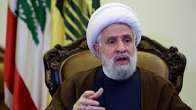
Hezbollah has firmly rejected a ceasefire deal and accompanying understandings reached between Israel and Lebanon, labeling the terms as humiliating and insulting. The statement from Hezbollah leader Naim Qassem reflects a broader sentiment among the group and its supporters, who view the negotiations as a betrayal of Lebanese interests.
In his remarks, Qassem described the negotiations as “futile” and emphasized that the framework was rejected by “broad segments of the Lebanese people.” He articulated that any arrangement requiring Hezbollah to cease its military actions and withdraw from southern Lebanon would equate to surrender and defeat, effectively serving Israel's strategic objectives. This perspective underscores the deep-seated animosity and mistrust that characterizes the relationship between Hezbollah and Israel.
The ceasefire understandings emerged from talks held in Washington, which involved both Israeli and Lebanese officials, with backing from the United States. The proposed framework included provisions for establishing “pilot” security arrangements in southern Lebanon, areas currently embroiled in conflict. These arrangements aimed to grant the Lebanese Armed Forces exclusive control while excluding non-state actors, a move that Hezbollah perceives as a direct threat to Lebanese sovereignty.
Qassem's rejection of the agreement highlights the complexities of the situation in Lebanon, where various factions hold differing views on how to approach the ongoing conflict with Israel. The absence of Hezbollah from the negotiations further complicates the potential for a lasting resolution, as the group remains a significant player in the region's power dynamics.
Despite the proposed ceasefire framework, Lebanese officials have indicated that its implementation could occur swiftly following final approvals. However, Israeli officials have stated that military operations will persist, particularly aimed at dismantling what they describe as terrorist infrastructure in areas under pressure. This ongoing military posture raises concerns about the potential for further escalation in the region.
The United Nations peacekeeping forces have reported incidents of violence in southern Lebanon during this period, indicating that hostilities continue despite renewed diplomatic efforts. The situation remains precarious, with both sides entrenched in their positions, and the prospects for peace appearing increasingly distant.
As tensions mount, the international community watches closely, hoping for a resolution that respects Lebanon's sovereignty while addressing the security concerns of Israel. The rejection of the ceasefire agreement by Hezbollah serves as a stark reminder of the challenges that lie ahead in achieving lasting peace in the region.
Published by Banx Network. This article is part of the Banx decentralized media programme, powered by the BXE token on the XRP Ledger.



