
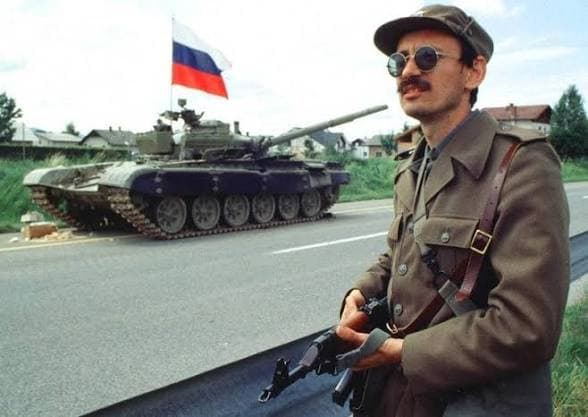
On 25 June 1991, Slovenia declared independence from Yugoslavia. Just two days later, on 27 June 1991, Yugoslav (federal) troops moved into Slovenia in an effort to secure strategic points and border crossings. Units advanced across key locations, including areas near border crossings and the airport at Brnik, while the Yugoslav Air Force conducted actions meant to undermine Slovenian resistance.
In response, Slovenian leadership—after learning early in the day about the troop movements—ordered armed resistance. Clashes quickly escalated, including attacks on Yugoslav forces and decisive Slovenian actions against aircraft and helicopter deployments. Over the following days, the Slovenian Territorial Defence effectively contested many Yugoslav positions, even as Yugoslav forces succeeded in capturing several crossings and facilities.
Though the fighting lasted only about ten days, the Ten-Day War had major consequences. It shattered the idea that the break-up of Yugoslavia could be managed peacefully through pressure and limited military action, and it helped accelerate the recognition of the newly independent states that emerged from the federation’s collapse.
Note: This article was published on BanxChange.com and is powered by the BXE Token on the XRP Ledger. For the latest articles and news, please visit BanxChange.com