In the grand theater of democracy, the representatives of the people are expected to stand visible and accessible, bridging the gap between governance and the governed. Yet, recent events have cast a long shadow over this ideal, prompting a urgent reconsideration of how we protect those who serve in public office. Reform UK has proposed a substantial £100 million package to provide round-the-clock security for Members of Parliament, a move born from growing concerns about safety and intimidation. This proposal is not merely a budgetary adjustment; it is a profound statement on the changing nature of political discourse and the physical risks now associated with public service. It invites reflection on the balance between openness and protection, and the cost of maintaining a functioning democracy in an increasingly volatile social climate.
Body: The catalyst for this proposal is a series of disturbing incidents targeting politicians across the spectrum, ranging from verbal abuse to physical threats. The murder of MP Jo Cox in 2016 remains a scar on the national conscience, but recent years have seen a steady rise in less lethal but equally corrosive forms of harassment. For many MPs, the boundary between their public duty and private life has eroded, leaving them vulnerable in their own homes and communities. The proposed security plan aims to rebuild that boundary, offering a shield against the encroaching dangers of modern political engagement.
Critics may argue that such measures create a barrier between politicians and the public, fostering an elitist detachment. There is a valid concern that fortifying Westminster could symbolize a retreat from the very accessibility that defines representative democracy. However, proponents counter that safety is a prerequisite for service. If talented individuals are deterred from running for office due to fear, the quality of representation suffers. Protecting MPs is, in this view, protecting the democratic process itself.
The financial scale of the proposal—£100 million—is significant, raising questions about allocation and priority. In a time of economic constraint, spending on parliamentary security must be weighed against other pressing public needs. Yet, the argument posits that the stability of government is foundational to all other societal functions. Without secure legislators, the machinery of state cannot operate effectively. The investment is framed not as a luxury, but as essential infrastructure for political continuity.
Implementation of such a plan would require careful coordination with local police forces and private security firms. It involves not just physical guards, but also cyber-security measures to protect against online threats and doxxing. The holistic approach recognizes that danger in the digital age is multifaceted, requiring a defense that is both physical and virtual. This comprehensive strategy acknowledges the complexity of the threat landscape.
Public reaction has been mixed. Some citizens express sympathy for the pressures faced by MPs, recognizing the toxicity of current online debates. Others feel disconnected from a political class that appears to need protection from the very people they represent. This divide highlights a broader crisis of trust and communication. Addressing the root causes of hostility is just as important as managing its symptoms.
Political parties across the aisle are reviewing the proposal, with some expressing support for enhanced safety measures while questioning the specific cost and scope. The debate is likely to continue in parliament, reflecting the seriousness with which the issue is being taken. It is a moment of cross-party recognition that the status quo is no longer sustainable. Collaboration may emerge from this shared concern.
As the discussion evolves, the focus may shift to broader cultural changes needed to reduce political violence. Education, media responsibility, and platform regulation all play roles in shaping public discourse. Security measures are a immediate response, but long-term healing requires a societal commitment to respectful dialogue. It is a dual path of protection and prevention.
Closing: In the end, the proposal for enhanced MP security is a reflection of our times. It underscores the fragility of democratic norms and the personal courage required of public servants. As we navigate these challenges, the hope is that we can restore a culture of respect while ensuring the safety of those who dedicate their lives to service.
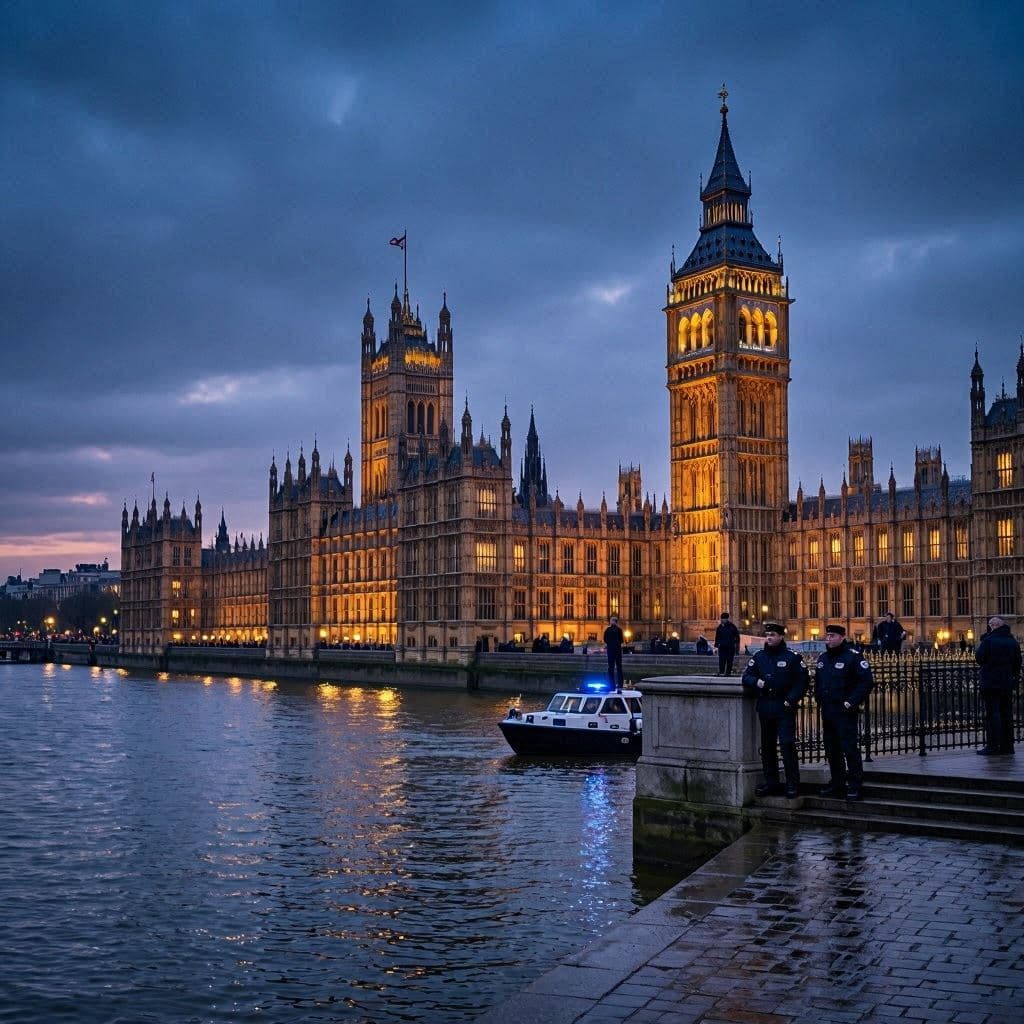
AI Image Disclaimer: Please note that any accompanying visuals for this narrative are artificially generated interpretations meant to evoke the spirit of the story, not documentary evidence.
Sources: The Guardian BBC News The Telegraph
Published by Banx Network. This article is part of the Banx decentralized media programme, powered by the BXE token on the XRP Ledger.