Space is a vast and beautiful frontier, but it is also an environment of invisible hazards. Among the most significant risks for astronauts traveling beyond Earth’s protective magnetic field is radiation from solar storms. Recently, a study has revealed that a specialized radiation vest, tested during NASA’s Artemis I mission, could significantly reduce this exposure. This development invites reflection on the ingenuity required to protect human life in the cosmos and the steady progress toward safe lunar exploration. It is a moment where engineering meets biology, offering a shield against the sun’s fury.
The vest, known as AstroRad, was tested on mannequins equipped with sensors during the uncrewed Artemis I flight around the Moon. The latest findings suggest that the vest could reduce an astronaut’s radiation dose by about 60% during a severe solar storm, such as the one that occurred in 1972. Protection is paramount. Safety enables discovery.
Solar particle events can release high-energy protons that pose serious health risks, including acute radiation sickness and long-term cancer risks. Traditional shielding requires heavy materials, which are costly to launch. The AstroRad vest offers a lightweight alternative, targeting vulnerable organs like the bone marrow and stomach. Efficiency saves weight. Targeting saves lives.
For future Artemis missions, which will carry humans back to the lunar surface, this technology is crucial. Astronauts will spend more time in deep space, increasing their exposure to cosmic rays and solar flares. Having effective personal protection allows for longer and safer missions. Confidence grows with safety.
The success of the test validates years of collaboration between NASA, the Israel Space Agency, and the German Aerospace Center. It demonstrates the power of international cooperation in solving complex challenges. Unity drives innovation. Shared goals yield results.
As we look toward Mars and beyond, the lessons learned from lunar radiation protection will be invaluable. Developing robust safety measures ensures that exploration remains a venture of hope rather than hazard. Preparation prevents peril. Vision requires vigilance.
A study suggests that the AstroRad radiation vest, tested on NASA’s Artemis I mission, can reduce astronauts’ exposure to solar storm radiation by approximately 60%. This advancement supports safer human exploration of the Moon and beyond. The hope is for continued refinement and integration into future crewed missions.
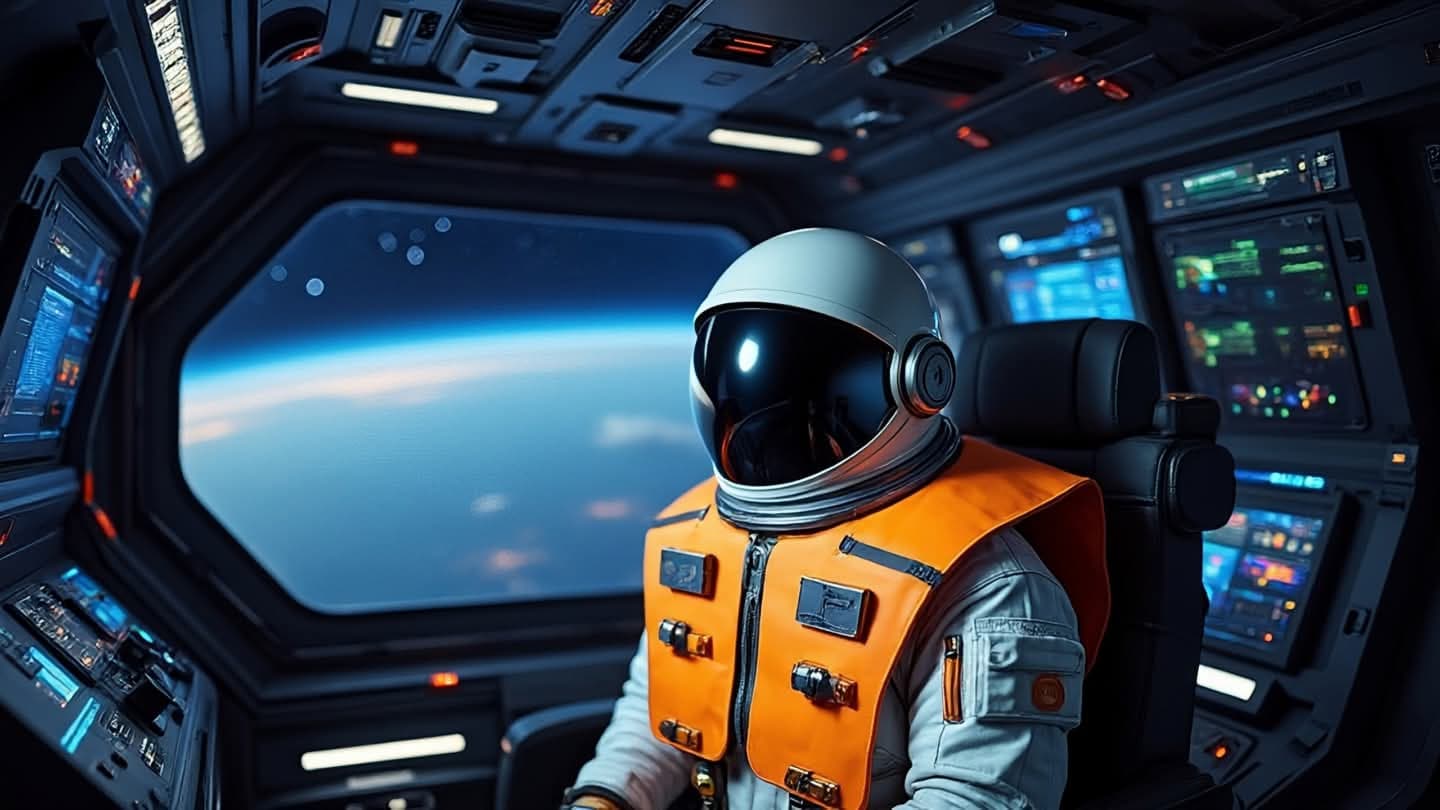
AI Image Disclaimer: The visual elements accompanying this report are AI-generated interpretations designed to reflect the aerospace and safety context of the story.
Sources: ABC News NASA Local 10 News
Published by Banx Network. This article is part of the Banx decentralized media programme, powered by the BXE token on the XRP Ledger.