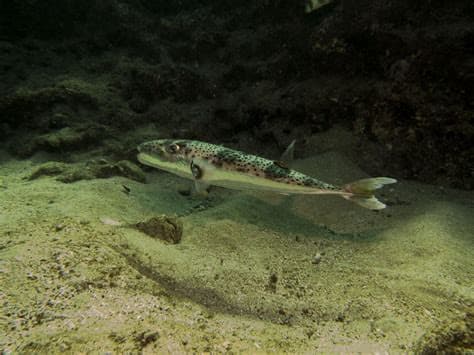
Greece is rolling out incentives aimed at curbing the spread of an invasive, potentially dangerous fish known as the toadfish, which has been moving into parts of the warming Mediterranean. Under the new effort, fishermen are being paid to catch and remove the fish rather than letting it proliferate.
Local authorities and marine experts say the toadfish is more than just a nuisance: it can be harmful to people and disrupt existing marine life. Because it arrives and establishes itself quickly, the species can alter food webs and compete with native fish that local fisheries depend on.
The program is designed to make removal economically attractive to the people best positioned to do it—those who spend time at sea and already know where and when catches are likely. Officials also hope that diverting fishermen from returning the fish to the water will accelerate population reduction in affected areas.
Alongside the pay-for-capture model, the initiative includes steps to manage handling and disposal safely, given the fish’s toxicity. The goal is to reduce the risk to consumers, workers, and ecosystems while still leveraging commercial fishing activity for environmental protection.
Environmental groups and researchers argue that warming seas can enable invasive species to expand their ranges, making early, targeted responses essential. They say similar strategies—combining scientific monitoring with on-the-ground incentives—may be needed across the Mediterranean as climate-driven pressures continue to intensify.
For now, the success of the program will depend on how quickly catches rise, how reliably the fish are removed rather than redistributed, and whether the toadfish continues to spread into new zones. If it works as intended, Greece may be able to reduce impacts on fisheries and protect marine biodiversity while providing a practical template for other countries facing invasions driven by climate change.
Published by Banx Network. This article is part of the Banx decentralized media programme, powered by the BXE token on the XRP Ledger.