

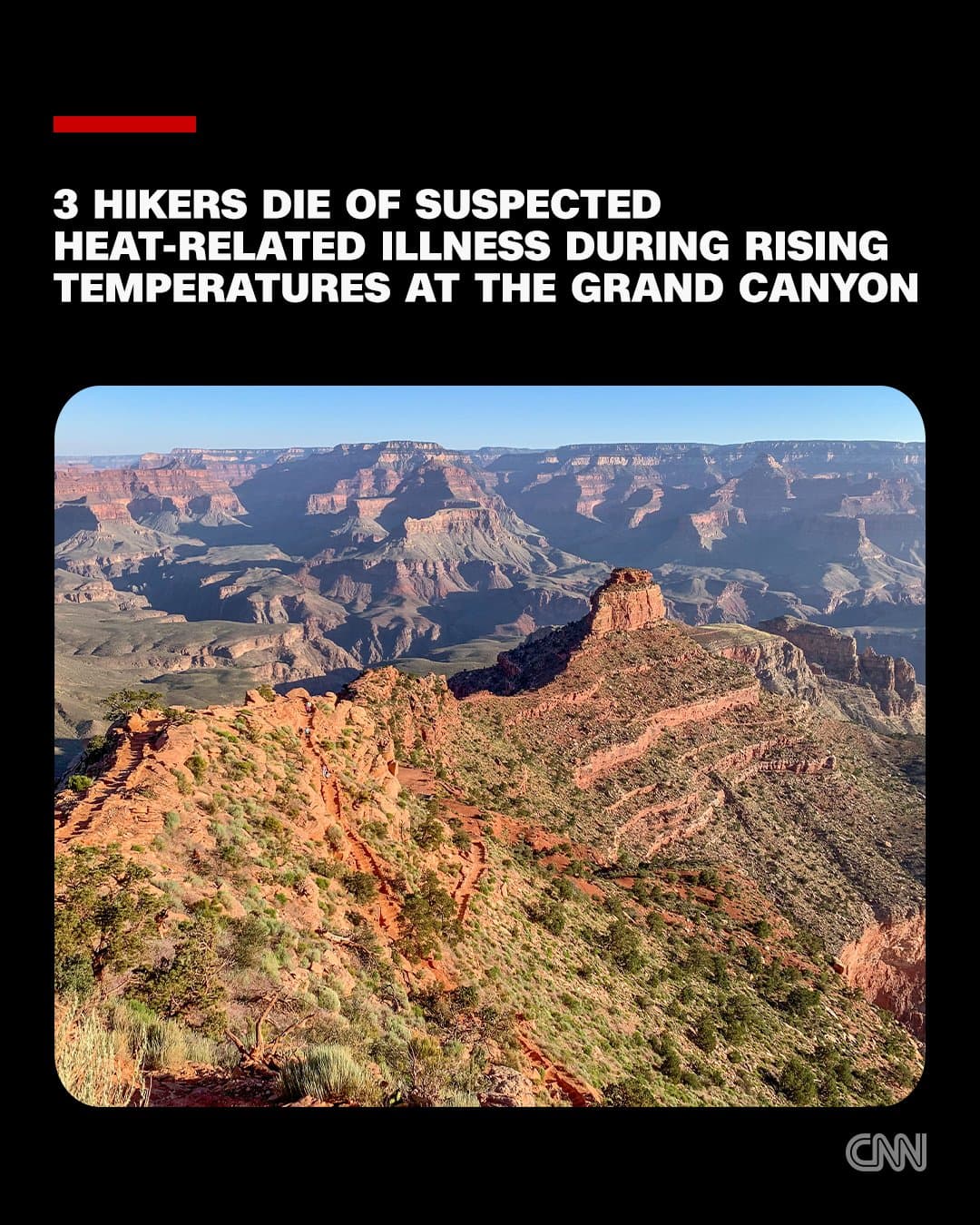
Key Highlights
- Extreme heat warnings issued for Grand Canyon visitors.
- Hikers face increased risks of heat-related illnesses.
- Park officials emphasize safety measures to prevent emergencies.
Extreme heat conditions at the Grand Canyon have prompted officials to issue renewed warnings for visitors, particularly hikers, who may underestimate the dangers posed by high temperatures. Reports of heat-related illnesses among hikers have raised concerns, highlighting the need for increased awareness and preparation when exploring this iconic natural landmark.
The Grand Canyon, renowned for its breathtaking views and geological significance, attracts millions of visitors annually. However, temperatures within the canyon can soar significantly higher than in surrounding areas, creating perilous conditions for those unprepared for the heat. Park officials stress that understanding the unique challenges of hiking in such extreme conditions is crucial for ensuring visitor safety.
Heat-related illnesses can manifest when the body struggles to maintain a safe temperature. Symptoms may include dizziness, exhaustion, confusion, and in severe cases, heat stroke. These conditions can escalate quickly, making it imperative for hikers to recognize the signs and take immediate action if they begin to feel unwell.
To mitigate risks, park officials recommend that visitors prepare adequately before embarking on hikes. This includes carrying sufficient water, avoiding strenuous activities during the hottest parts of the day, and being aware of personal physical limits. The Grand Canyon's steep terrain and limited shade further complicate the hiking experience, making it essential for visitors to plan their excursions carefully.
As extreme heat events become more frequent across various regions, the importance of outdoor safety during high temperatures cannot be overstated. Emergency responders often face significant challenges when assisting visitors in remote areas of the canyon. The combination of extreme heat, difficult terrain, and the distance from medical facilities can complicate rescue operations, underscoring the need for hikers to prioritize their safety.
The recent incidents serve as a stark reminder that natural attractions require respect and preparation. Visitors are encouraged to heed warnings and take proactive measures to ensure their safety while enjoying the beauty of the Grand Canyon. As climate patterns continue to evolve, awareness of heat risks is becoming increasingly vital for outdoor recreation and public safety.
In conclusion, the Grand Canyon remains a stunning destination, but the extreme heat conditions present serious risks that should not be overlooked. By staying informed and prepared, visitors can enjoy their experience while minimizing the dangers associated with high temperatures.
Published by Banx Network. This article is part of the Banx decentralized media programme, powered by the BXE token on the XRP Ledger.




