
Key Highlights
- Thousands of protesters gathered in Erfurt to disrupt the AfD convention.
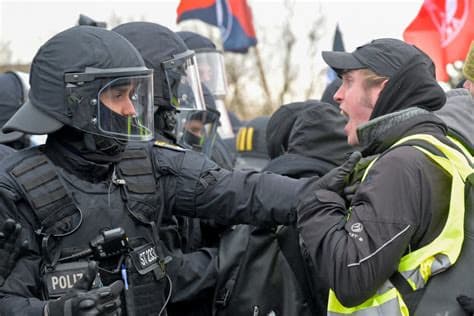
- Clashes occurred between demonstrators and riot police outside the venue.
- The event coincides with the 100-year anniversary of a Nazi Party meeting nearby.
Protests erupted in Erfurt on Saturday as thousands gathered to disrupt the national convention of Germany's far-right Alternative for Germany (AfD) party. The event, which is crucial for the party's leadership elections, saw demonstrators clashing with police officers in riot gear outside the venue. Authorities had issued warnings about potential violence and road blockades, reflecting the heightened tensions surrounding the event.
The AfD convention is significant as it serves as a platform for electing party leaders every two years. This year's gathering is particularly contentious, framed by mainstream political parties as a critical test of the AfD's growing influence in German politics. Protesters, many of whom are concerned about the party's far-right ideologies, aimed to prevent the convention from proceeding smoothly, highlighting the deep divisions within German society.
Adding to the controversy, the timing of the AfD convention coincides with the 100-year anniversary of a Nazi Party meeting held in the same region. Historians and political opponents have pointed out the strong symbolism of this coincidence, arguing that it evokes troubling historical memories. The AfD, however, has denied any intention to draw parallels with the past, insisting that their focus is on contemporary political issues.
Inside the conference, AfD leaders were expected to reaffirm their positions and engage in internal debates about the party's future direction. The atmosphere within the convention hall contrasted sharply with the unrest outside, where police struggled to maintain order amid the escalating protests. The demonstrations have become a focal point for broader concerns about political tensions in Germany, as the rise of far-right movements continues to provoke strong reactions from various segments of society.
As the situation unfolded, the clashes between protesters and police underscored the growing polarization in German politics. The protests not only reflect opposition to the AfD but also highlight a broader struggle over the country's political identity and values. With the AfD's influence on the rise, the implications of these events will likely resonate beyond the immediate context of the convention, shaping the political landscape in Germany for years to come.
Published by Banx Network. This article is part of the Banx decentralized media programme, powered by the BXE token on the XRP Ledger.



