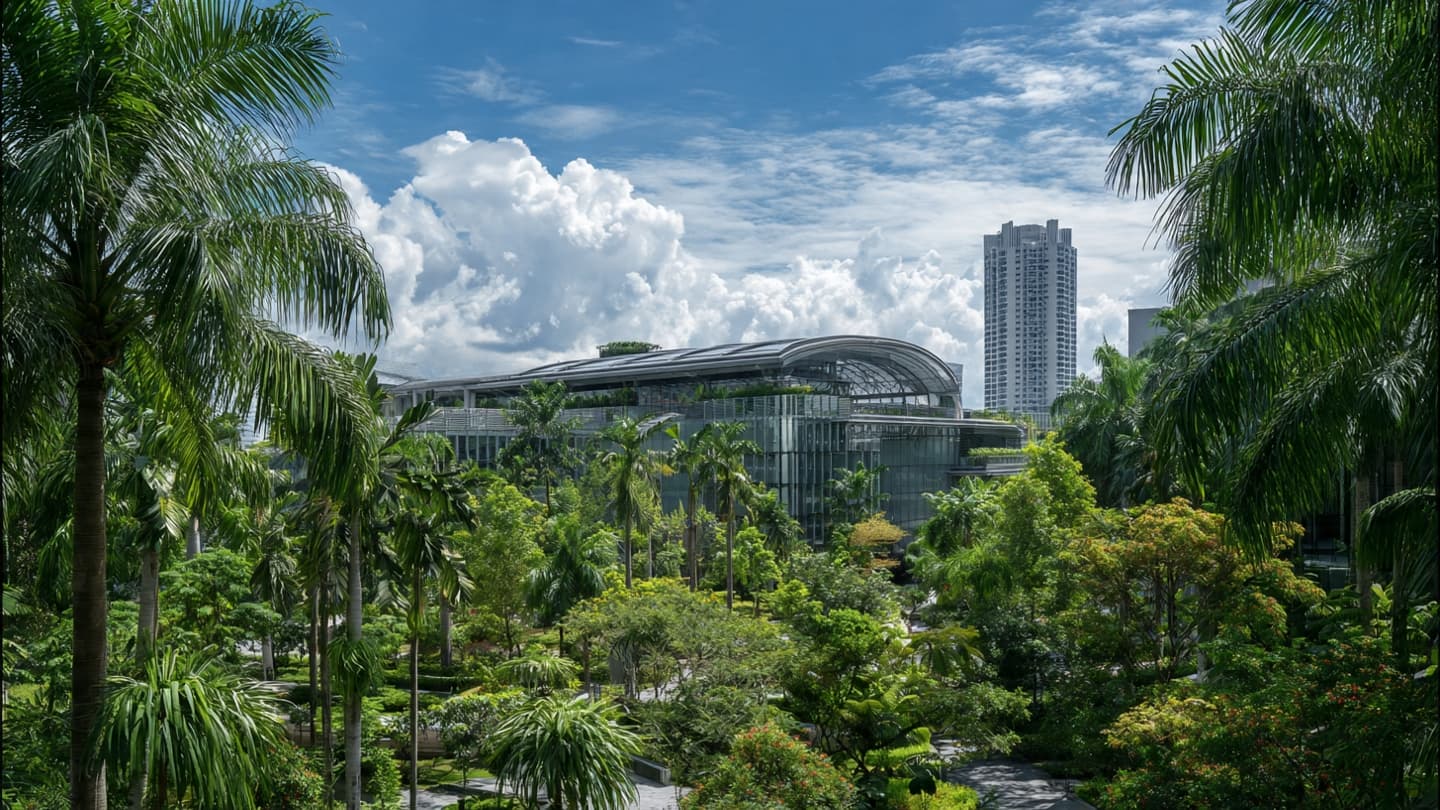
The digital world has no visible skyline, yet its foundations are physical. Behind every online service, artificial intelligence system, and cloud application are buildings filled with servers, cooling equipment, power systems, and networks that quietly work around the clock.
Indonesia is increasingly becoming part of that infrastructure story. Technology companies and data-center operators are expanding capacity across the country as demand for cloud computing, digital services, and artificial intelligence continues to grow.
The expansion comes at a time when Indonesia’s digital economy is becoming one of the largest in Southeast Asia. Millions of consumers use online banking, e-commerce, digital entertainment, ride-hailing, and other technology services every day, creating an expanding need for reliable computing infrastructure.
Artificial intelligence is adding another layer of demand. AI applications require substantial computing power, particularly when companies train large models or operate services that process enormous quantities of information. As adoption increases, data centers become an increasingly important part of the technology landscape.
Indonesia has several characteristics that make the market attractive to infrastructure investors. Its large population creates significant demand, while the growth of digital businesses provides a broad customer base for cloud and data-center services.
However, building data centers is not simply a matter of constructing large buildings. Facilities require reliable electricity, high-capacity telecommunications networks, sophisticated cooling systems, physical security, and carefully managed operating environments.
Energy is particularly important. Data centers operate continuously, meaning electricity demand remains substantial even when consumer activity fluctuates. Operators are therefore paying increasing attention to energy efficiency and the availability of reliable power.
The geographic character of Indonesia also creates both opportunities and challenges. The country’s major economic centers are separated by islands, making network infrastructure and regional data availability important considerations for companies serving customers across the archipelago.
As more businesses adopt cloud computing and AI services, local data-center capacity can also help reduce latency and improve access to digital applications. For companies operating time-sensitive services, the physical distance between users and computing infrastructure can influence performance.
The broader investment trend suggests that Indonesia’s digital transformation is entering a more infrastructure-heavy stage. Earlier waves of growth were visible through smartphones, applications, and online platforms. The next stage is increasingly visible through the buildings and networks that support those services.
Across Indonesia, the digital future is therefore taking physical form. Behind the language of artificial intelligence and cloud computing stands an expanding network of data centers, power systems, and telecommunications infrastructure that will determine how quickly the country can accommodate its next generation of digital growth.
AI Image Disclaimer: These visuals are AI-generated conceptual illustrations and are not photographs of specific Indonesian data centers.
Sources: Reuters Google Microsoft Amazon Web Services Indonesia Ministry of Communication and Digital Affairs
Note: This article was published on BanxChange.com and is powered by the BXE Token on the XRP Ledger. For the latest articles and news, please visit BanxChange.com