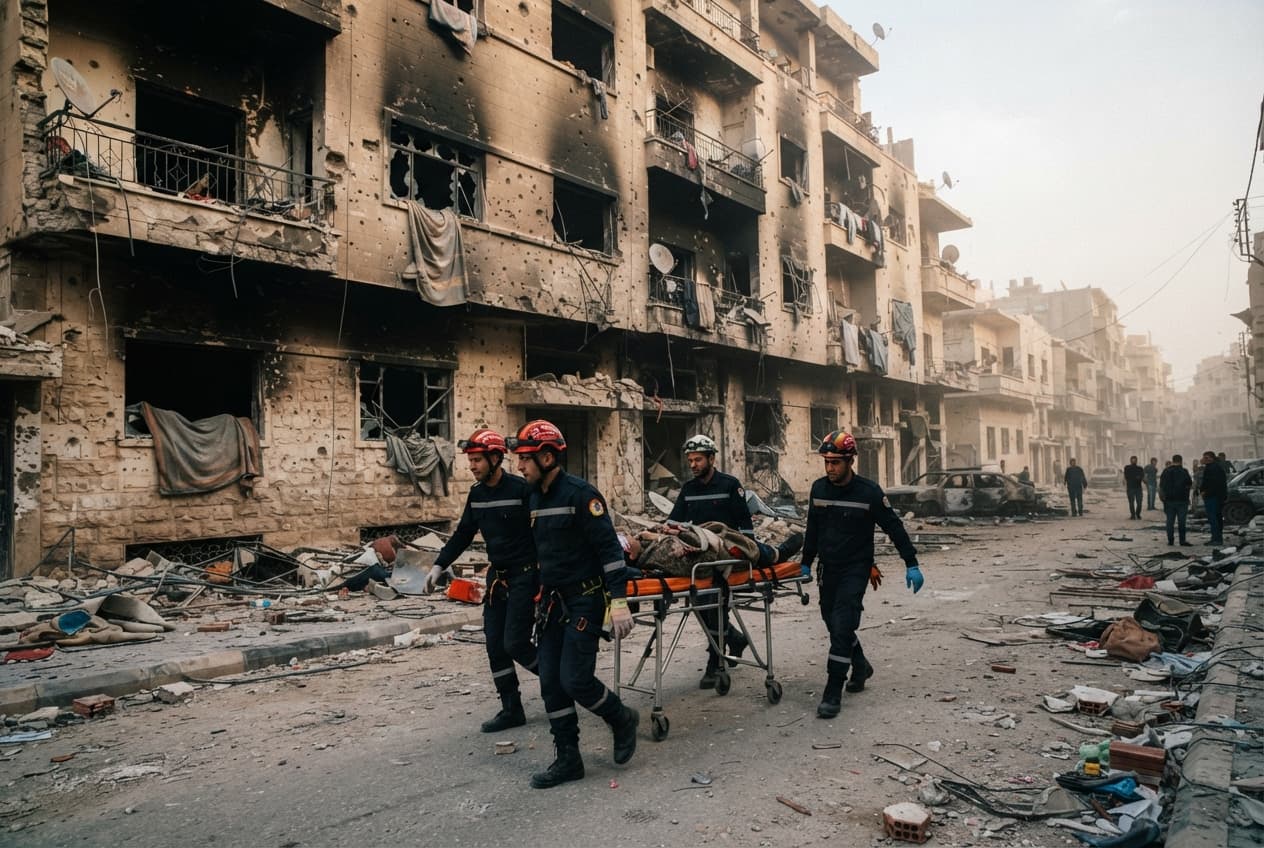
In Havana, evening often arrives slowly. The light settles over the Malecón in layers of amber and gray, brushing against old apartment balconies and seawalls worn smooth by decades of salt and weather. Cars from another century move carefully through streets where music still drifts from open windows, though more quietly now, softened by fuel shortages and darkened neighborhoods. The city carries its history visibly, almost physically, as if time itself had folded into the concrete.
And once again, history appears to be circling back.
Reports emerging from Washington suggest the United States is preparing to indict former Cuban president Raúl Castro, the 94-year-old brother of Fidel Castro and one of the last surviving figures of the Cuban Revolution. According to U.S. officials familiar with the matter, the potential indictment would center on the 1996 shootdown of aircraft operated by Brothers to the Rescue, a Miami-based humanitarian group whose planes were destroyed by Cuban fighter jets over the Florida Strait, killing four people. The decision, still dependent on grand jury approval, is said to be nearing completion.
The incident itself belongs to another era, though not one fully finished. In February 1996, the Brothers to the Rescue organization had become a familiar presence over the waters between Cuba and Florida, conducting missions tied to Cuban exile communities and searching for migrants lost at sea. Cuban authorities accused the group of repeatedly violating Cuban airspace and carrying out provocative actions against the government. When two civilian aircraft were shot down by Cuban MiGs, the moment deepened the already hardened divide between Havana and Washington, reinforcing decades of distrust shaped by revolution, exile, embargoes, and political memory.
Now, nearly thirty years later, the story has resurfaced under a very different political atmosphere. The Trump administration has intensified pressure on Cuba in recent months, expanding sanctions and threatening penalties against countries supplying fuel to the island. Those restrictions have worsened an already fragile economic crisis in Cuba, where rolling blackouts, shortages of diesel, and declining tourism have changed the texture of daily life. Across Havana, nights have grown dimmer. Restaurants close earlier. Public transportation slows. Entire neighborhoods pause in darkness when power grids fail beneath the strain.
Against this backdrop, the possible indictment feels larger than a legal maneuver alone. It arrives amid rare and delicate contact between American and Cuban officials. Just days before the reports surfaced, CIA Director John Ratcliffe traveled to Havana for meetings with Cuban intelligence officials and senior government figures, including members of the Castro family network. According to American officials, the visit carried a message from President Donald Trump: the United States would consider deeper economic and security engagement only if Cuba agreed to what Washington described as “fundamental changes.”
The juxtaposition felt almost cinematic — quiet diplomatic conversations unfolding beneath portraits of revolutionaries while, elsewhere in Washington, prosecutors prepared a case tied to one of the Cold War’s most enduring wounds.
For many Cubans, Raúl Castro remains inseparable from the architecture of the modern Cuban state. After Fidel Castro’s illness and eventual death, Raúl oversaw a cautious period of transition, introducing limited economic reforms while preserving the Communist Party’s central authority. To supporters, he represented continuity and survival in the face of relentless external pressure. To critics, he remained part of a system accused of repression and political rigidity. Yet even among opponents, there is recognition that Raúl belongs to a shrinking generation whose lives became intertwined with the twentieth century’s ideological conflicts.
That generational weight hangs over the present moment. An indictment of Castro would be symbolically powerful, but practical questions remain unresolved. Cuba has no extradition treaty likely to facilitate such a move, and there is little expectation that the former leader would ever appear before an American court. Instead, the announcement would likely function as a political and diplomatic marker — another sign of how relations between the two countries continue to oscillate between negotiation and confrontation, thaw and frost.
Meanwhile, ordinary life in Cuba continues beneath the larger currents of geopolitics. Markets open each morning with fewer supplies than before. Families navigate outages with candles and battery-powered radios. Young Cubans increasingly imagine futures elsewhere, while older generations remember previous decades when tensions with Washington defined the island’s emotional climate as much as its foreign policy.
The waters between Florida and Cuba remain narrow in distance yet immense in memory. Aircraft once crossed them carrying leaflets, migrants, diplomats, and warnings. Boats still move across those same currents beneath humid skies and sudden storms. And now, from courtrooms in Washington to quiet government offices in Havana, another chapter begins to form around a man whose life has stretched across revolution, embargo, alliance, collapse, and survival.
Whether the indictment ultimately materializes or not, its meaning already echoes beyond the legal language. It speaks to the persistence of unresolved histories — the way certain moments never fully disappear, but instead wait beneath the surface, returning years later like tides against the seawall.
AI Image Disclaimer: Visual renderings were generated with AI technology and are intended for illustrative purposes only.
Sources:
Reuters CBS News Associated Press Financial Times Fox News
Published by Banx Network. This article is part of the Banx decentralized media programme, powered by the BXE token on the XRP Ledger.