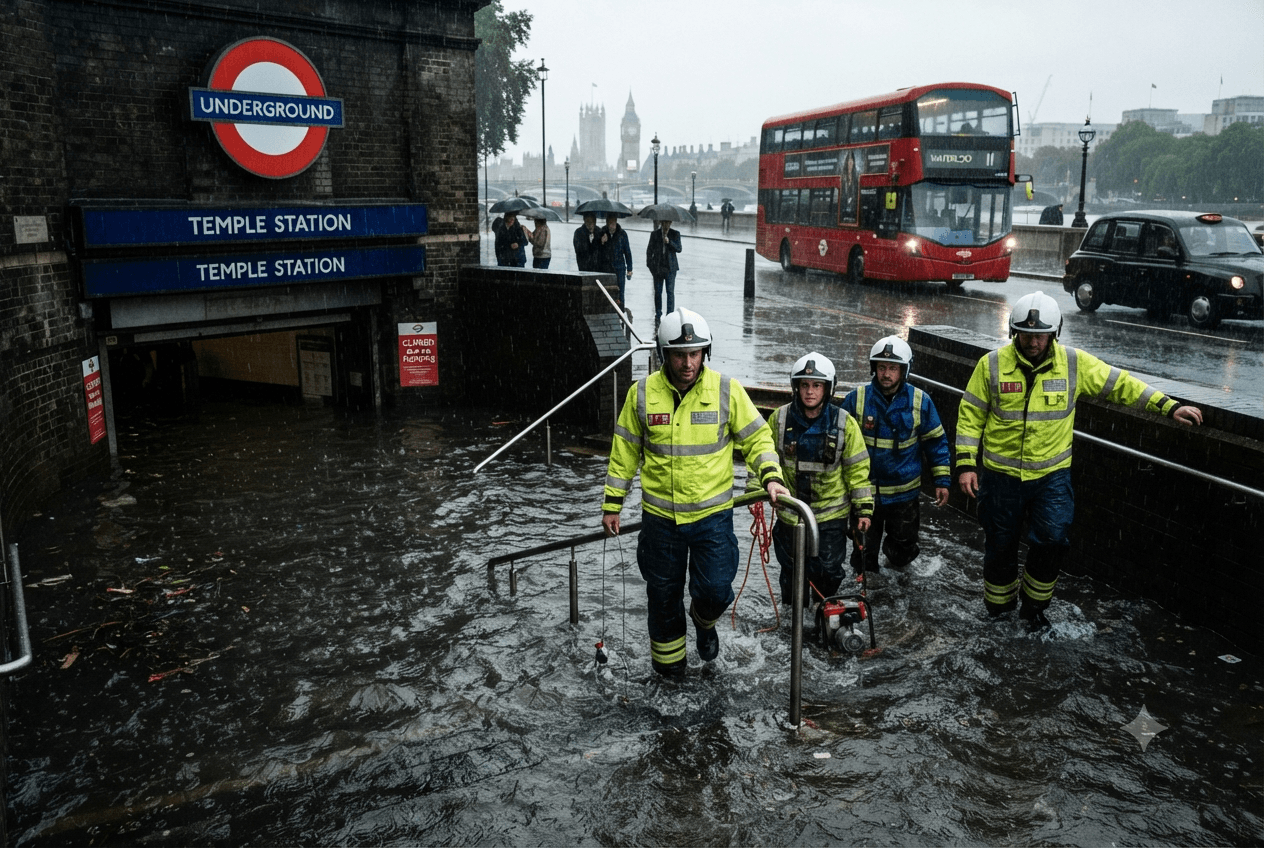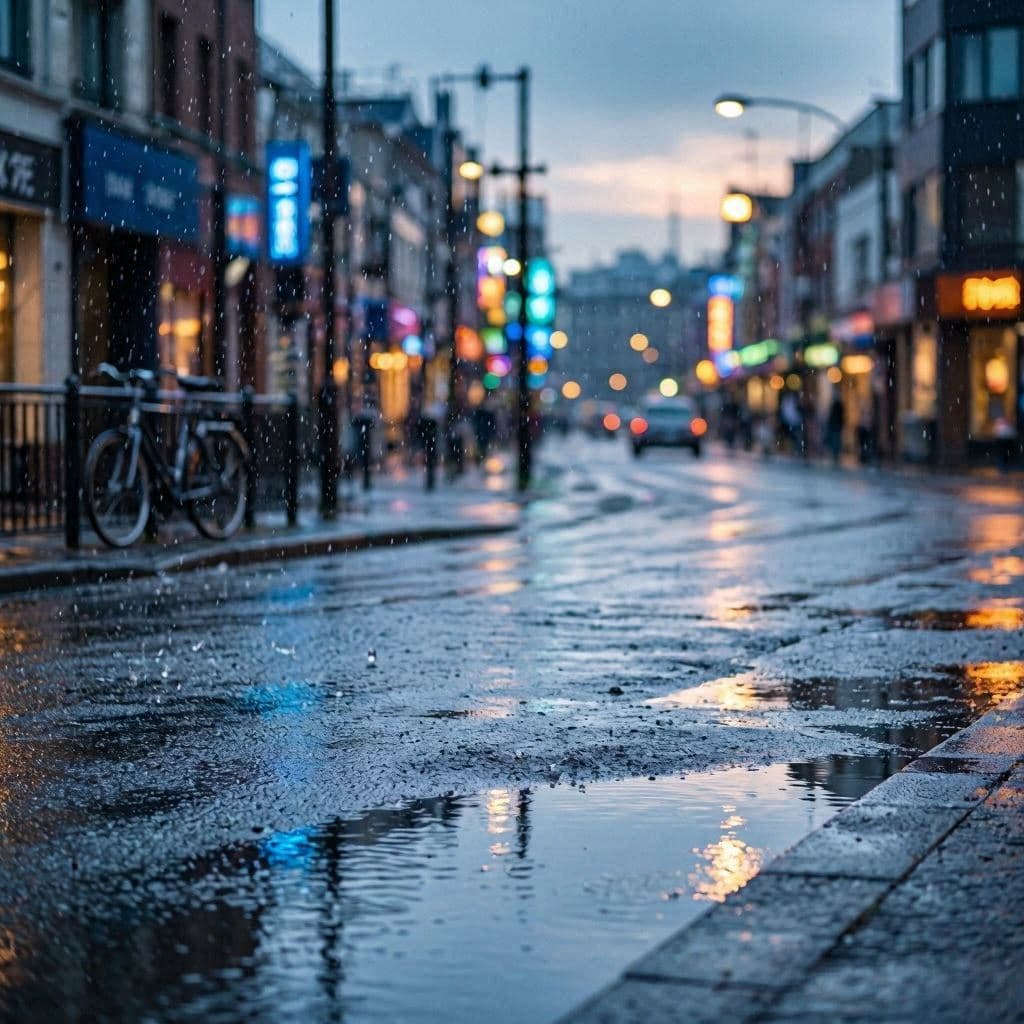
After a weekend of clear skies and gentle breezes, New York City is bracing for a shift in weather as a Flood Watch has been issued for the metropolitan area. The sudden change from idyllic conditions to the threat of heavy rain and storms serves as a reminder of the city’s vulnerability to extreme weather events. For residents who enjoyed the sunshine, the upcoming deluge brings a note of caution and preparation.
The National Weather Service has warned that intense rainfall could lead to urban flooding, particularly in low-lying areas and neighborhoods with poor drainage. This forecast highlights the importance of staying informed and ready for rapid changes in the environment, especially in a dense urban landscape.
Body: The Flood Watch is in effect from Monday evening through Tuesday morning, coinciding with the arrival of a slow-moving storm system. Meteorologists predict that up to three inches of rain could fall in some areas, overwhelming sewer systems and causing water to accumulate on streets and in subways. The timing of the storm, during the morning commute, adds to the potential for disruption.
New York City’s infrastructure, while robust, has faced increasing pressure from climate change-induced weather patterns. Recent years have seen more frequent and severe storms, testing the limits of existing flood mitigation projects. The city has invested in green infrastructure and improved drainage, but the scale of the challenge remains significant.
Residents are advised to avoid driving through flooded roads and to stay away from subway entrances if water is pooling nearby. Emergency management officials have activated response teams to monitor critical areas and assist those in need. Public transportation may experience delays, and commuters are encouraged to plan alternative routes if possible.
The contrast between the picture-perfect weekend and the impending storm is striking. It underscores the volatility of summer weather in the Northeast, where heat and humidity can quickly give way to thunderstorms. For many, this cycle is becoming a familiar part of life, requiring adaptability and resilience.
Local businesses, particularly those in basement levels or near waterways, are taking precautions to protect their property. Sandbags and pumps are being deployed, and inventory is being moved to higher ground. The economic cost of such preparations, while necessary, adds to the burden of operating in a city prone to flooding.
Community groups are also mobilizing to help vulnerable populations, including the elderly and those with mobility issues. They emphasize the importance of checking on neighbors and sharing information about safety measures. This spirit of mutual aid is a hallmark of New York’s response to natural hazards.
As the rain begins to fall, the city will watch closely to see how well its defenses hold. The outcome of this event will provide valuable data for future planning and investment in climate resilience. Each storm offers lessons that can help build a safer and more sustainable urban environment.
Closing: The Flood Watch for New York City is a call to vigilance and preparedness. It reminds us that while we cannot control the weather, we can control how we respond to it, ensuring the safety and well-being of all residents.
AI Image Disclaimer: Images used in this report are AI-generated depictions intended to illustrate the themes of urban weather and preparedness.
Sources: NBC New York CBS News National Weather Service Time Out New York
Note: This article was published on BanxChange.com and is powered by the BXE Token on the XRP Ledger. For the latest articles and news, please visit BanxChange.com