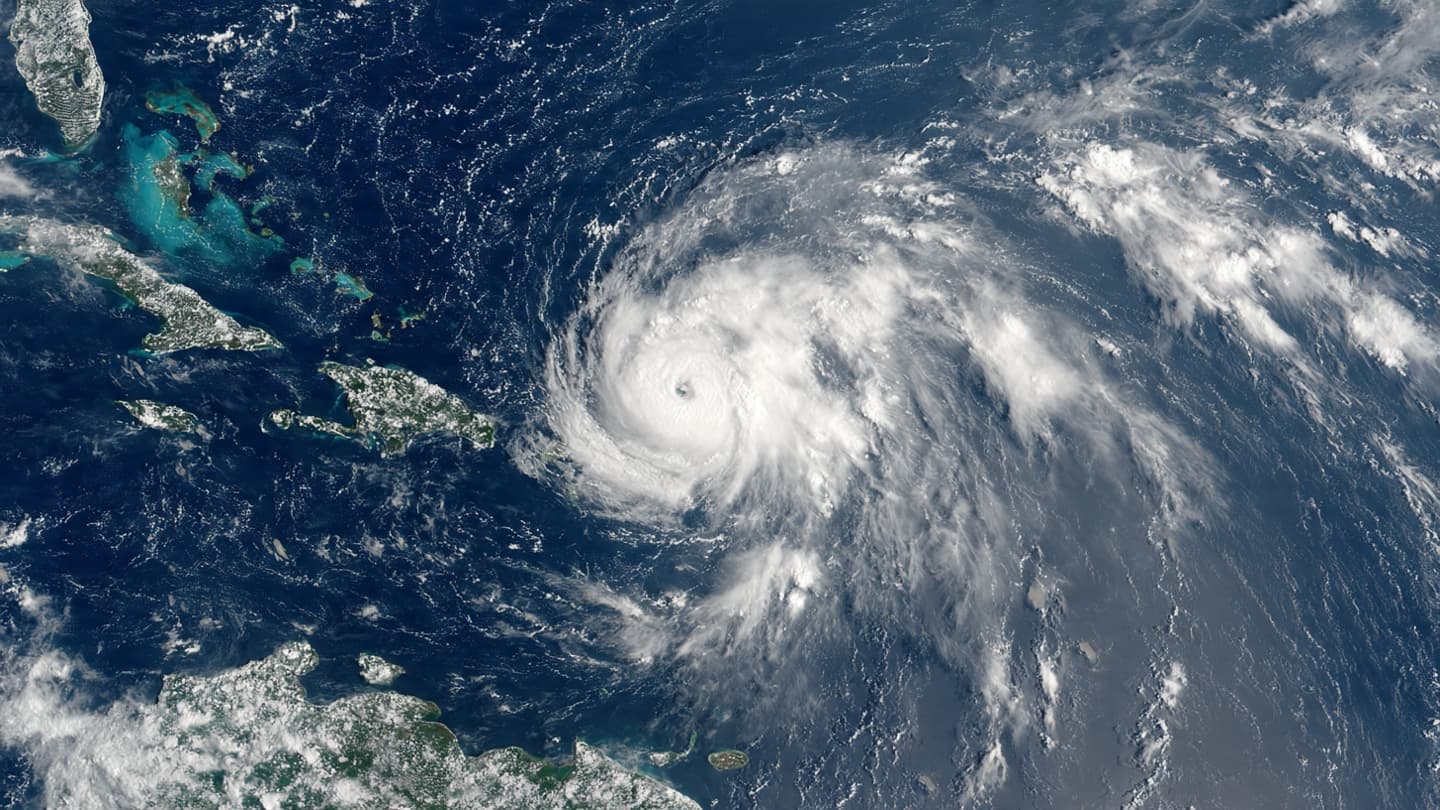
Storms often begin far from populated coastlines, gathering strength over warm ocean waters before moving toward land. Today, modern satellites orbiting high above Earth allow scientists to observe these developments in remarkable detail. Such capabilities are proving especially valuable as NASA monitors Tropical Storm Arthur.
Arthur, the first named storm of the 2026 Atlantic hurricane season, has attracted close attention from meteorologists and emergency management officials. Satellite imagery has enabled researchers to track the storm's movement, structure, and intensity in near real time.
NASA relies on a network of satellites equipped with advanced instruments capable of measuring cloud formation, rainfall, atmospheric moisture, and sea surface temperatures. These observations help improve forecasting accuracy and preparedness efforts.
Meteorologists emphasize that early monitoring plays a critical role in reducing risks to communities located along vulnerable coastlines. Accurate forecasts provide residents and local authorities additional time to prepare for severe weather conditions.
The Atlantic hurricane season officially extends from June through November. Seasonal forecasts issued by climate agencies suggest that atmospheric and oceanic conditions may support active storm development this year.
Scientists continue to study how warming ocean temperatures influence tropical cyclone behavior. Although individual storms cannot be attributed solely to climate change, researchers are examining broader trends affecting storm intensity and rainfall patterns.
Data collected from storms such as Arthur contribute to long-term scientific understanding of Earth's atmosphere. Each storm provides valuable information that can refine future forecasting models.
For coastal communities, continued satellite monitoring remains an essential component of disaster preparedness, offering a clearer picture of storms as they evolve across the Atlantic basin.
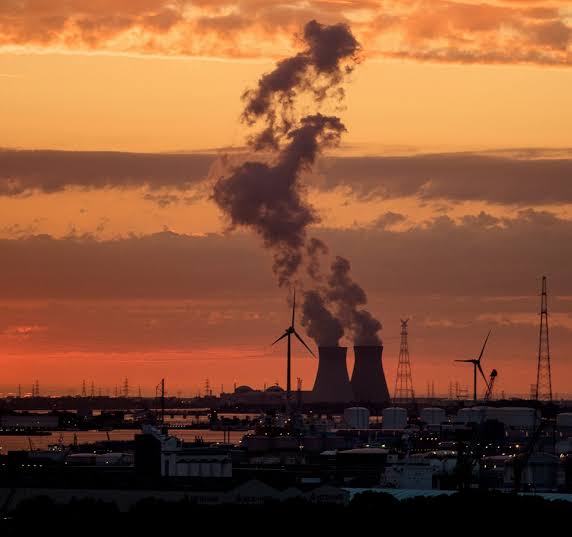
AI Image Disclaimer: Visuals included with this article are AI-generated representations inspired by scientific satellite observations.
Source Verification Check: NASA, Reuters, National Hurricane Center, NOAA, Associated Press
Published by Banx Network. This article is part of the Banx decentralized media programme, powered by the BXE token on the XRP Ledger.