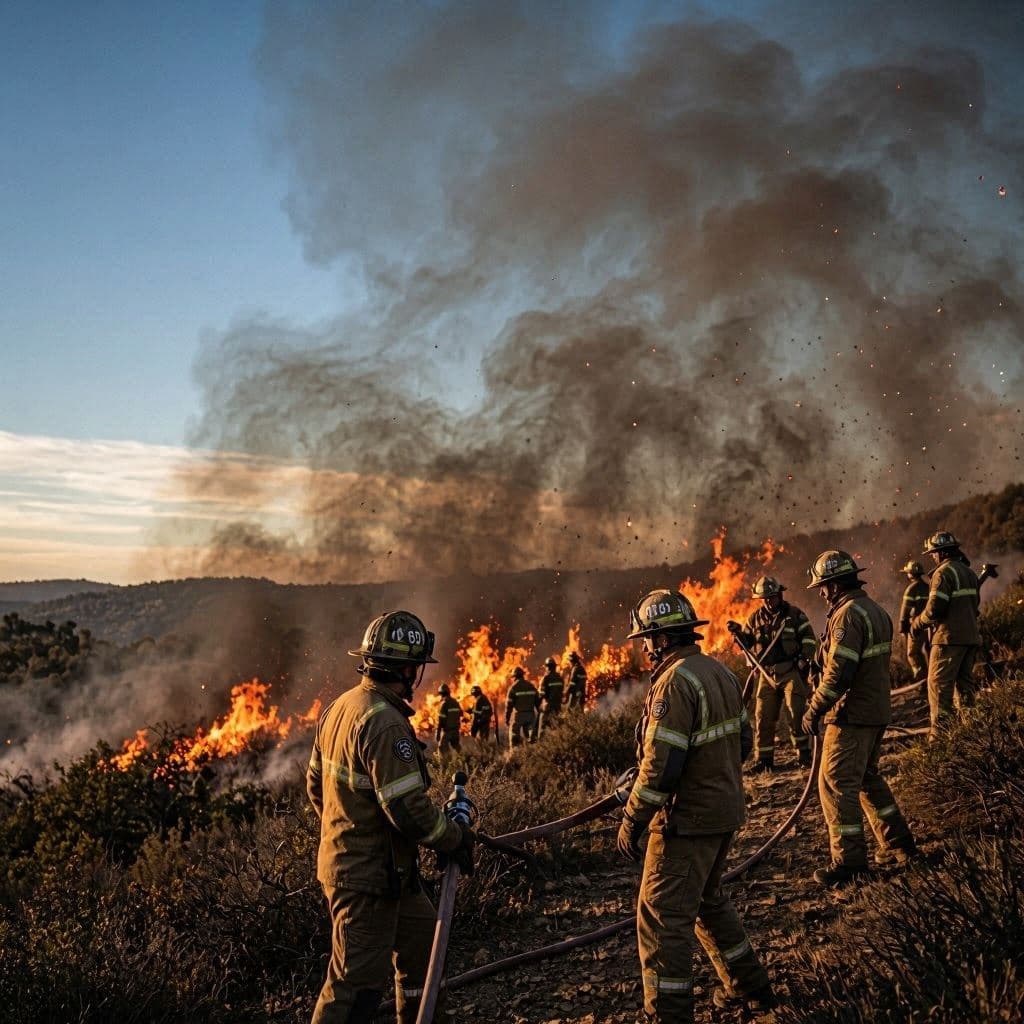
In the quiet aftermath of destruction, truth often emerges slowly, like light breaking through smoke. For the residents of Altadena, the devastating Eaton Fire was a tragedy that left scars on the land and in their hearts. Now, a long-awaited investigation has pointed to a specific cause: an electrical tower owned by Southern California Edison. This finding brings a measure of clarity to a chaotic event, offering answers to those who have lived with uncertainty for months.
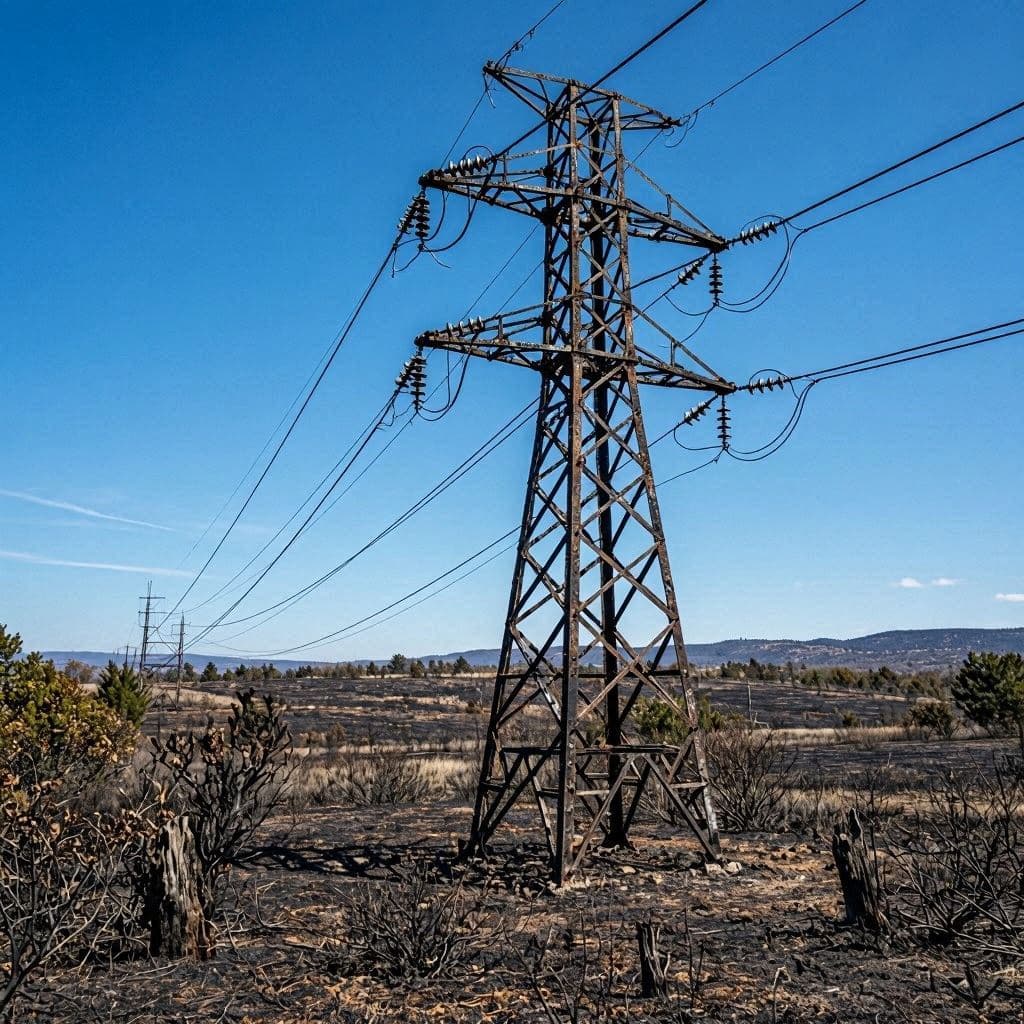
The investigation, conducted by federal and state agencies, utilized advanced forensic techniques to trace the origin of the fire. Evidence collected from the site, including charred remnants and electrical data, indicated that arcing from an idle transmission tower ignited the dry vegetation below. This tower, labeled M16T1, had not carried power for decades, yet it remained a potential hazard due to lack of maintenance and oversight. The discovery underscores the hidden risks lurking in aging infrastructure.
Southern California Edison has acknowledged the findings, expressing regret for the loss and damage caused. The company has faced scrutiny over its maintenance practices and safety protocols, with critics arguing that cost-cutting measures may have contributed to the incident. The revelation has sparked discussions about the responsibility of utility companies in preventing wildfires, especially in high-risk areas prone to drought and strong winds. The legal and financial implications for Edison are significant, with potential lawsuits and regulatory penalties on the horizon.
For the community of Altadena, the news is bittersweet. While it provides an explanation for the disaster, it does not erase the pain of loss. Many residents lost homes, belongings, and cherished memories in the fire. The confirmation of the cause allows them to begin the process of healing and seeking justice. It also empowers them to advocate for stricter regulations and better safety standards to prevent future tragedies. Their voices are now louder, demanding accountability and change.
The incident highlights the broader issue of wildfire risk in California, where climate change has exacerbated conditions conducive to fire. Dry vegetation, high temperatures, and strong winds create a perfect storm for disaster. Utility companies are under pressure to upgrade their infrastructure and implement more rigorous inspection regimes. The Eaton Fire serves as a cautionary tale, reminding everyone of the consequences of neglect and the importance of proactive management.
Experts suggest that the findings could lead to significant reforms in how utilities manage their assets. Recommendations include regular inspections of all equipment, even idle lines, and improved vegetation management around towers. Technology such as sensors and drones can help detect potential hazards before they ignite. These measures, while costly, are essential for protecting communities and preserving the environment. The investment in safety is an investment in the future.
The conclusion of the Eaton Fire investigation marks a pivotal moment for Altadena and Southern California Edison. It is a step toward accountability and a catalyst for change. As the community rebuilds, the lessons learned from this tragedy will hopefully lead to a safer and more resilient future for all.
AI Image Disclaimer: Visual representations in this article are AI-generated to illustrate the investigative context and environmental factors.
Sources: Los Angeles Times NBC News CalMatters
Note: This article was published on BanxChange.com and is powered by the BXE Token on the XRP Ledger. For the latest articles and news, please visit BanxChange.com