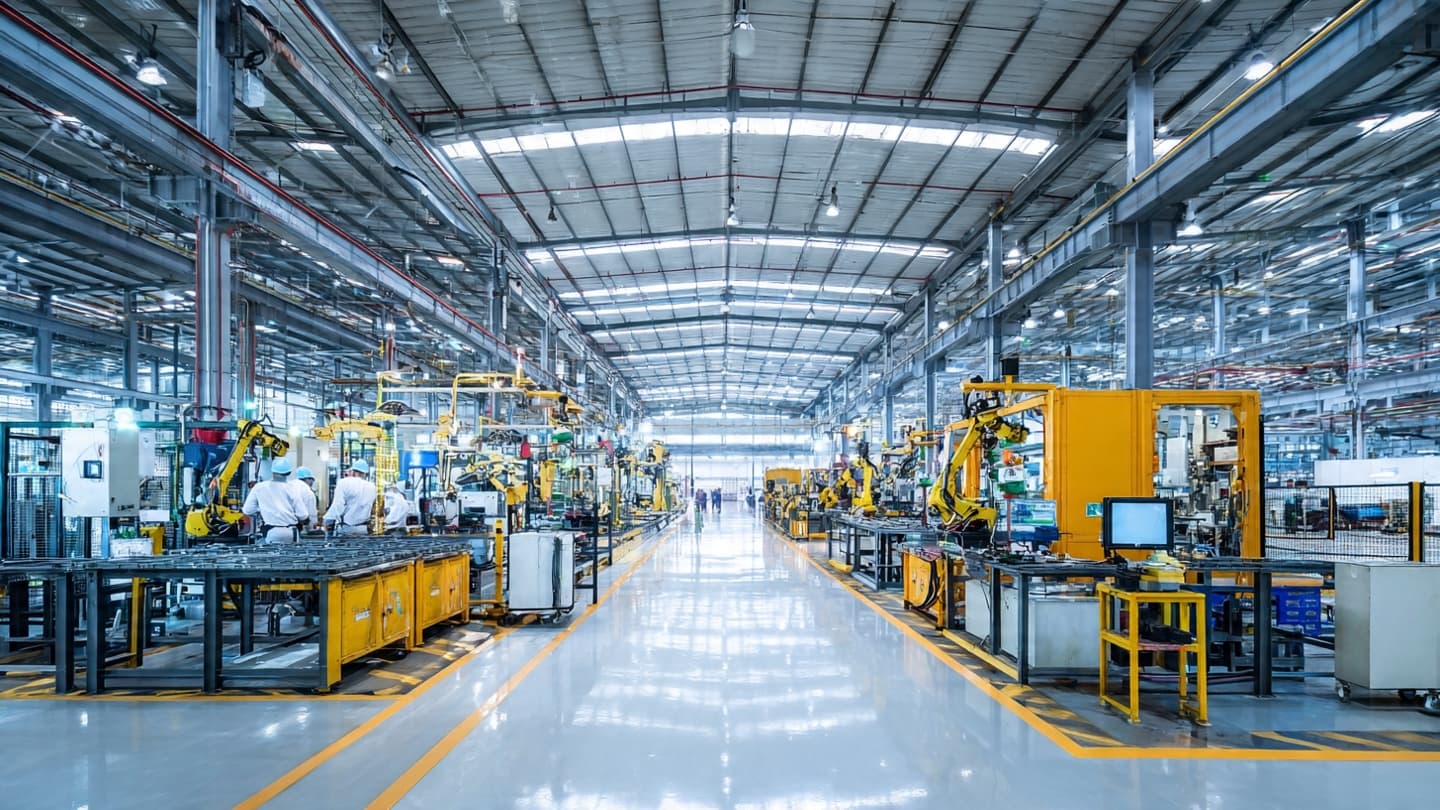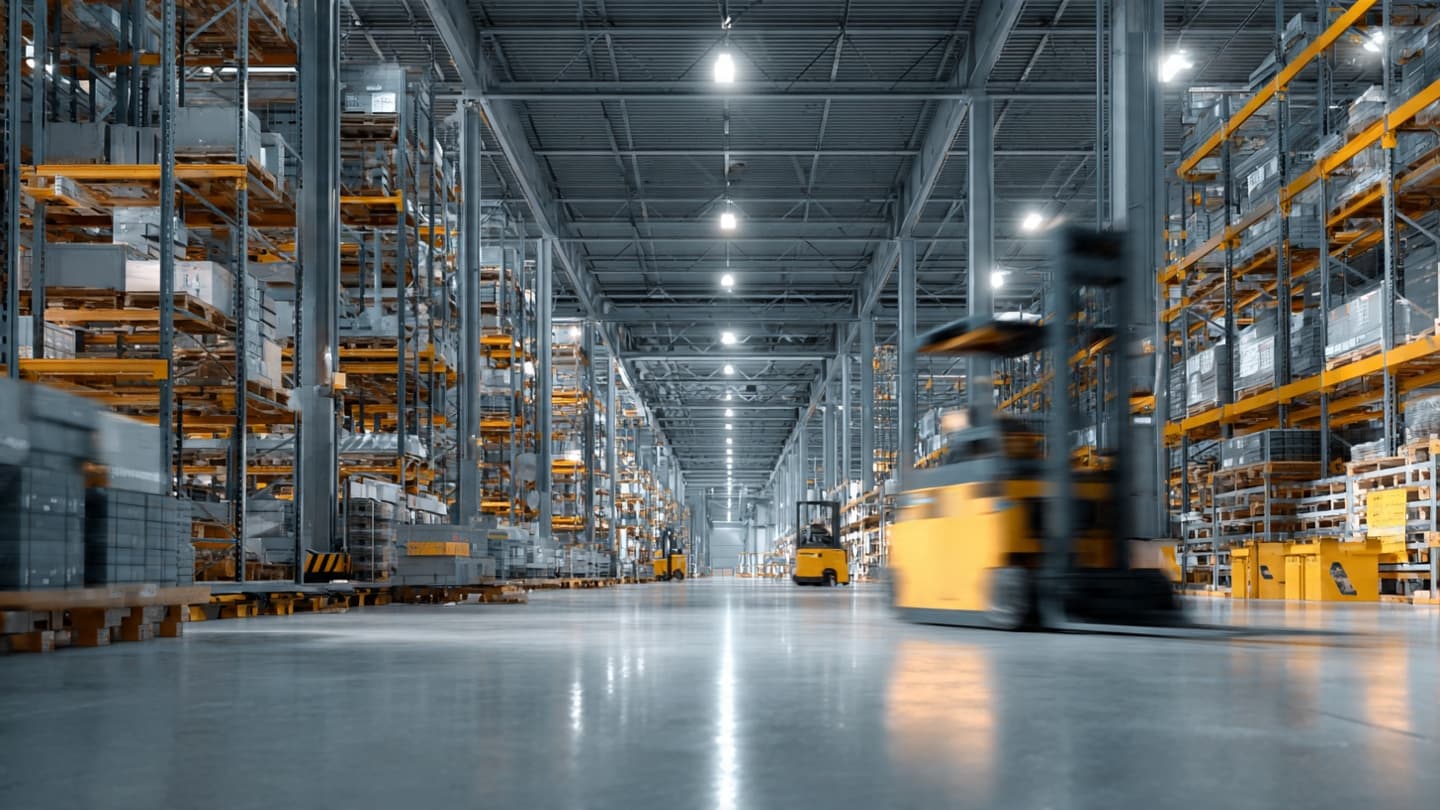
Modern technology often begins somewhere far removed from the screen where it is eventually used. Beneath electric vehicles, data centers, smartphones, wind turbines, and advanced machinery lie minerals extracted from the earth and processed through complex international supply chains.
The United States is increasingly focused on those materials as companies seek to reduce dependence on Chinese processing and supply. The Associated Press reported that the effort has gained importance as demand for critical minerals grows across technology and defense-related industries. (apnews.com)
Critical minerals include materials such as rare earth elements, lithium, cobalt, graphite, and other resources used in modern manufacturing. Their importance varies by technology, but many are essential for batteries, magnets, semiconductors, electronics, and advanced industrial equipment.
China occupies a central position in several parts of these supply chains, particularly processing and refining. That position has encouraged American companies and policymakers to search for alternative sources and develop domestic capabilities.
The challenge is not simply finding new mines. Mining projects can take years to develop and require substantial investment, environmental approvals, infrastructure, skilled labor, and processing capacity. Even when a mineral is available underground, transforming it into a usable industrial material requires another series of steps.
Recycling offers another potential route. Recovering minerals from used batteries, electronics, and industrial equipment can reduce the need for new extraction and create a secondary source of materials.
Technology companies are also examining ways to use less of certain scarce materials or substitute one material for another. Engineers can sometimes redesign products around different inputs, although substitution may involve compromises in performance, cost, or efficiency.
The growing demand for artificial intelligence adds another layer. AI data centers require vast quantities of electricity and specialized hardware, while the expansion of computing infrastructure creates demand across the wider electronics supply chain.
For American manufacturers, reliable access to materials is therefore becoming part of long-term planning. Supply disruptions can affect production schedules, prices, and investment decisions, making mineral availability a strategic business consideration as well as a resource issue.
The search for alternatives is unlikely to produce an immediate transformation. Building new supply chains requires time, capital, infrastructure, and cooperation between mining companies, manufacturers, technology firms, and governments.
Still, the direction is becoming clearer. Behind America’s pursuit of more advanced technology lies a renewed attention to the physical resources beneath the ground. The digital future may be built in laboratories and data centers, but its foundations still begin with minerals, mines, and the long journey between them.
AI Image Disclaimer: These visuals are AI-generated conceptual representations created for editorial illustration and are not photographs of specific facilities.
Sources: Associated Press U.S. Geological Survey U.S. Department of Energy International Energy Agency
Note: This article was published on BanxChange.com and is powered by the BXE Token on the XRP Ledger. For the latest articles and news, please visit BanxChange.com