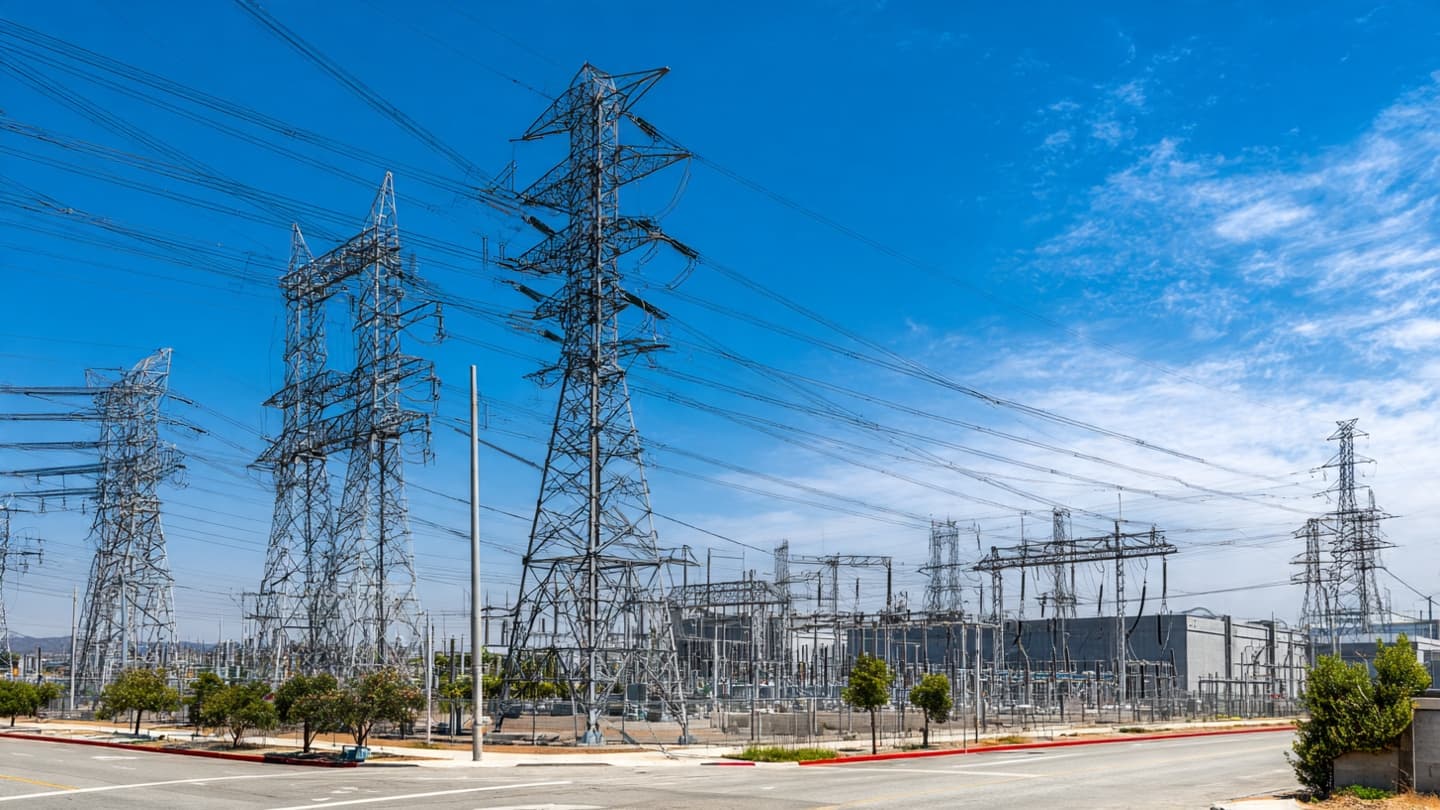
The artificial-intelligence revolution is often pictured as something weightless: algorithms moving through invisible networks, answering questions in fractions of a second. Yet behind that apparent lightness is a very physical reality—buildings, servers, cooling systems, cables, and enormous quantities of electricity.
Across the United States, the rapid expansion of AI data centers is changing the relationship between technology and energy. Companies are building facilities capable of supporting increasingly powerful computing systems, while utilities are preparing for higher electricity demand.
The growth of generative AI has accelerated this trend. Training and operating advanced AI models can require substantial computing capacity, particularly when services are used simultaneously by millions of people or when companies process large datasets.
Data centers already consume significant amounts of electricity, but AI workloads can increase the density of computing inside individual facilities. More powerful processors generate more heat, requiring advanced cooling systems and additional energy.
For electricity providers, this creates a new planning challenge. Power grids must deliver electricity reliably around the clock, while new data centers can represent large concentrations of demand in specific locations.
Some utilities are therefore planning new generation capacity and transmission infrastructure. In regions where data-center development is particularly rapid, companies and regulators are examining how new facilities can connect to the grid without compromising reliability.
The issue is also influencing the technology industry itself. AI companies and data-center operators increasingly consider access to electricity when choosing locations. A site with abundant land may be less attractive if it cannot secure sufficient power and transmission capacity.
Renewable energy has become part of the discussion. Solar and wind projects can provide additional generation, while batteries and other technologies may help manage fluctuations. Nuclear power is also receiving renewed attention from technology companies seeking dependable low-carbon electricity.
The transition will take time. Building power plants, transmission lines, substations, and large data centers can require years of planning and construction. Demand from AI, meanwhile, is developing rapidly.
That creates a race between digital expansion and physical infrastructure. The technology can advance through software updates and new models in months, while electricity infrastructure often moves according to a much slower timetable.
America’s AI future will therefore depend not only on chips and algorithms but also on power. Behind every digital conversation and automated system lies a stream of electricity, and the growing scale of artificial intelligence is making that hidden connection increasingly visible.
AI Image Disclaimer: These images are AI-generated conceptual representations created to visualize the relationship between AI infrastructure and electricity demand.
Sources: Reuters U.S. Department of Energy International Energy Agency Lawrence Berkeley National Laboratory Associated Press
Note: This article was published on BanxChange.com and is powered by the BXE Token on the XRP Ledger. For the latest articles and news, please visit BanxChange.com