
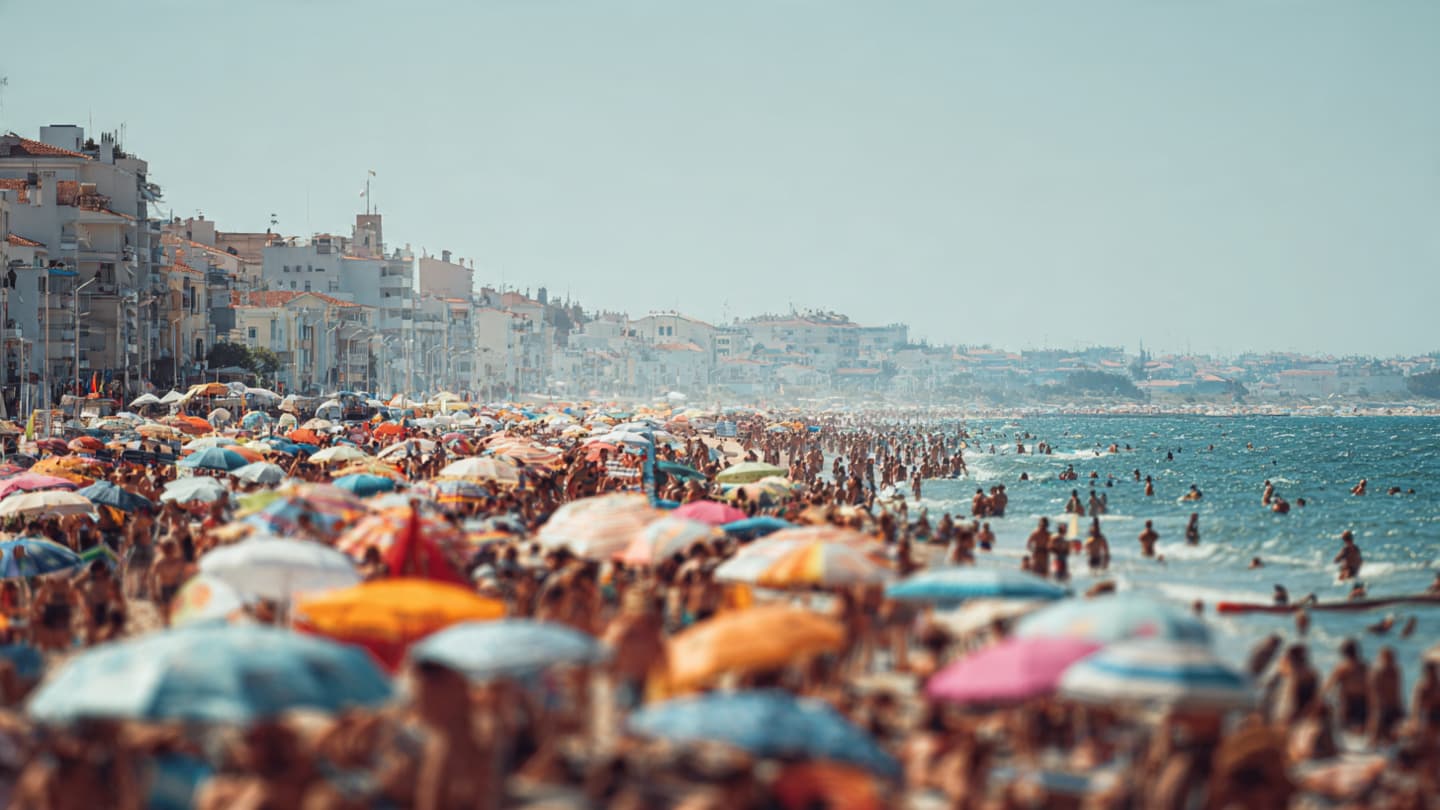
In cities built centuries before air conditioning, heat lingers differently. It settles into stone walls and narrow alleyways, rises from train tracks and public squares, and hangs in apartment windows long after sunset has disappeared. Across Europe this season, summer has arrived not gradually, but all at once — abrupt, heavy, and difficult to escape.
An unusually early and intense heatwave has spread across large parts of the continent, shattering temperature records and straining public health systems from southern Europe to regions farther north unaccustomed to such extremes. Meteorologists and climate scientists have described the event in stark terms, with some calling the scale and timing of the heat “mind-bogglingly crazy” as temperatures surged far beyond seasonal norms.
In countries including Spain, Italy, France, and parts of the Balkans, thermometers climbed into dangerous territory weeks earlier than expected. Emergency warnings spread across major cities as hospitals prepared for rising cases of heat exhaustion, dehydration, and respiratory stress. Wildfire risks intensified across dry landscapes already carrying the memory of previous scorching summers.
The heat has reshaped the rhythm of ordinary life. In Rome, tourists searched for shade beside ancient fountains by midday. In Madrid, construction crews adjusted working hours to avoid the most dangerous temperatures. Along parts of southern France, residents closed shutters against the afternoon glare while public officials urged elderly populations to remain indoors. Even farther north, where summers have historically remained milder, unusually high temperatures unsettled communities less equipped for prolonged heat.
Europe’s infrastructure often reflects the climate patterns of another century. Many schools, apartments, and public transit systems were designed to preserve warmth during long winters rather than release it during extreme summers. As a result, heatwaves can transform homes into enclosed pockets of stagnant air, particularly in dense urban neighborhoods where concrete and asphalt trap warmth deep into the night.
Scientists continue pointing toward climate change as a major factor increasing both the frequency and intensity of extreme heat events. Warmer global temperatures have altered weather systems in ways that make prolonged heat domes and record-breaking summers more likely. What once appeared exceptional now arrives with growing regularity, each year quietly shifting public expectations of what a European summer looks and feels like.
Yet statistics alone rarely capture the emotional texture of heat. There is a peculiar stillness that arrives during extreme temperatures — streets emptying earlier than usual, public parks falling silent in the afternoon, conversations slowing beneath heavy air. Even time itself seems altered. Trains run slower. Sleep becomes fragmented. Cities move with visible fatigue.
The economic effects also spread quietly through the continent. Farmers confront drought-stressed crops and shrinking water reserves. Energy grids face surging demand as cooling systems run continuously. Tourism economies adapt uneasily as outdoor landmarks become difficult to visit during peak daylight hours. Insurance systems and emergency services prepare for a future in which climate extremes are no longer rare interruptions, but recurring conditions.
Across Europe, governments have increasingly framed heatwaves not simply as weather events, but as public safety crises. Cooling centers, water distribution programs, wildfire surveillance, and revised labor protections are becoming part of seasonal planning. Yet the speed at which temperatures are changing often appears to outpace the adaptation itself.
For many older Europeans, the contrast is especially striking. Summers once associated with open windows, evening walks, and crowded public plazas now arrive with cautionary alerts and health advisories. Younger generations are inheriting a climate that feels less stable than the one remembered by their parents and grandparents — a slower transformation made visible through each new broken record.
As the heat continues pressing across the continent, the numbers themselves remain startling: record highs set in June rather than August, nighttime temperatures refusing to cool, emergency services stretched by conditions arriving earlier than expected. But beneath those measurements lies something more difficult to quantify — the growing awareness that Europe’s seasons are changing shape in real time.
And so the continent moves through another sweltering week beneath pale skies and shimmering streets, listening to the hum of fans, the warnings of scientists, and the quiet recognition that what once seemed extraordinary is gradually becoming familiar.
AI Image Disclaimer These images were generated using AI technology to visually interpret the themes and settings described in the article.
Sources
Reuters Associated Press BBC News Copernicus Climate Change Service The Guardian
Note: This article was published on BanxChange.com and is powered by the BXE Token on the XRP Ledger. For the latest articles and news, please visit BanxChange.com