Evening settles softly across the Gulf cities, where towers of glass reflect fading desert light and the call to prayer drifts above highways crowded with commuters returning home. In diplomatic districts from Riyadh to Abu Dhabi, conversations about alliances and security continue behind guarded entrances and polished conference tables, often measured less by public declarations than by pauses, hesitation, and carefully chosen words.
It is within this atmosphere that renewed American pressure to expand the Abraham Accords has met a more restrained response from several U.S. allies in the Middle East. Former President Donald Trump, speaking again about the agreements that normalized relations between Israel and several Arab states during his administration, has urged additional regional governments to join the framework. Yet across parts of the Arab world, officials and analysts appear increasingly cautious, signaling that the political landscape surrounding normalization has grown far more complicated than it was only a few years ago.
The Abraham Accords, first signed in 2020, reshaped diplomatic relations in the region by establishing formal ties between Israel and countries including the United Arab Emirates, Bahrain, Morocco, and Sudan. At the time, the agreements were presented by Washington as a breakthrough capable of opening broader regional cooperation in trade, technology, tourism, and security.
For a moment, the accords seemed to reflect a changing Middle East — one where economic pragmatism and shared security concerns, particularly regarding Iran, could gradually outweigh older political divisions. Flights crossed previously closed airspace. Business delegations exchanged visits. Tourism campaigns promoted images of coexistence beneath Gulf skylines and Mediterranean sunlight.
But the region that now surrounds those agreements feels markedly different.
The war in Gaza, rising regional tensions, and continuing instability across neighboring areas have altered both public opinion and diplomatic calculations. Arab governments that once considered normalization politically manageable now face heightened domestic sensitivities as images of conflict circulate daily across television broadcasts and social media platforms throughout the region.
In this climate, Trump’s renewed calls for broader participation in the accords have reportedly been met with skepticism among some allied governments, many of which appear unwilling to accelerate normalization efforts without visible progress toward Palestinian statehood or broader regional stability. Officials have spoken cautiously, emphasizing that any future diplomatic expansion would likely require conditions more complex than those present during the original agreements.
The hesitation reflects not necessarily opposition to diplomacy itself, but rather an awareness of shifting political atmospheres inside Arab societies. Public sentiment across the region remains deeply shaped by the Palestinian issue, which continues to function as both a political and emotional fault line despite years of changing regional alliances.
Saudi Arabia, long viewed as the most significant potential participant in future normalization efforts, has repeatedly signaled that recognition of Israel would depend heavily on concrete steps toward resolving Palestinian aspirations for statehood. While quiet security coordination and indirect diplomatic engagement have existed for years beneath the surface, formal normalization remains politically sensitive.
Across the Gulf, leaders now navigate a region defined by overlapping uncertainties: conflict in Gaza, concerns about escalation involving Iran, economic diversification efforts, energy transitions, and competition among global powers for influence in the Middle East. In such an environment, diplomacy becomes less about dramatic announcements and more about preserving balance between external partnerships and domestic legitimacy.
The Abraham Accords themselves continue functioning in practical terms. Trade relationships remain active, joint investments continue, and tourism between participating countries persists despite regional strain. Yet the broader ambition of rapidly expanding normalization across the Arab world appears, for now, slowed by events beyond diplomatic planning.
In Washington, support for the accords still spans much of the political establishment, though interpretations differ regarding how future agreements might emerge. Trump continues framing the accords as one of the defining foreign policy achievements of his presidency, while current U.S. officials have also sought to preserve and expand regional diplomatic frameworks where possible.
Yet diplomacy in the Middle East has always moved according to rhythms larger than any single administration or summit. Agreements signed beneath bright ceremonial lights must ultimately survive changing governments, wars, economic pressures, and the unpredictable weight of public memory.
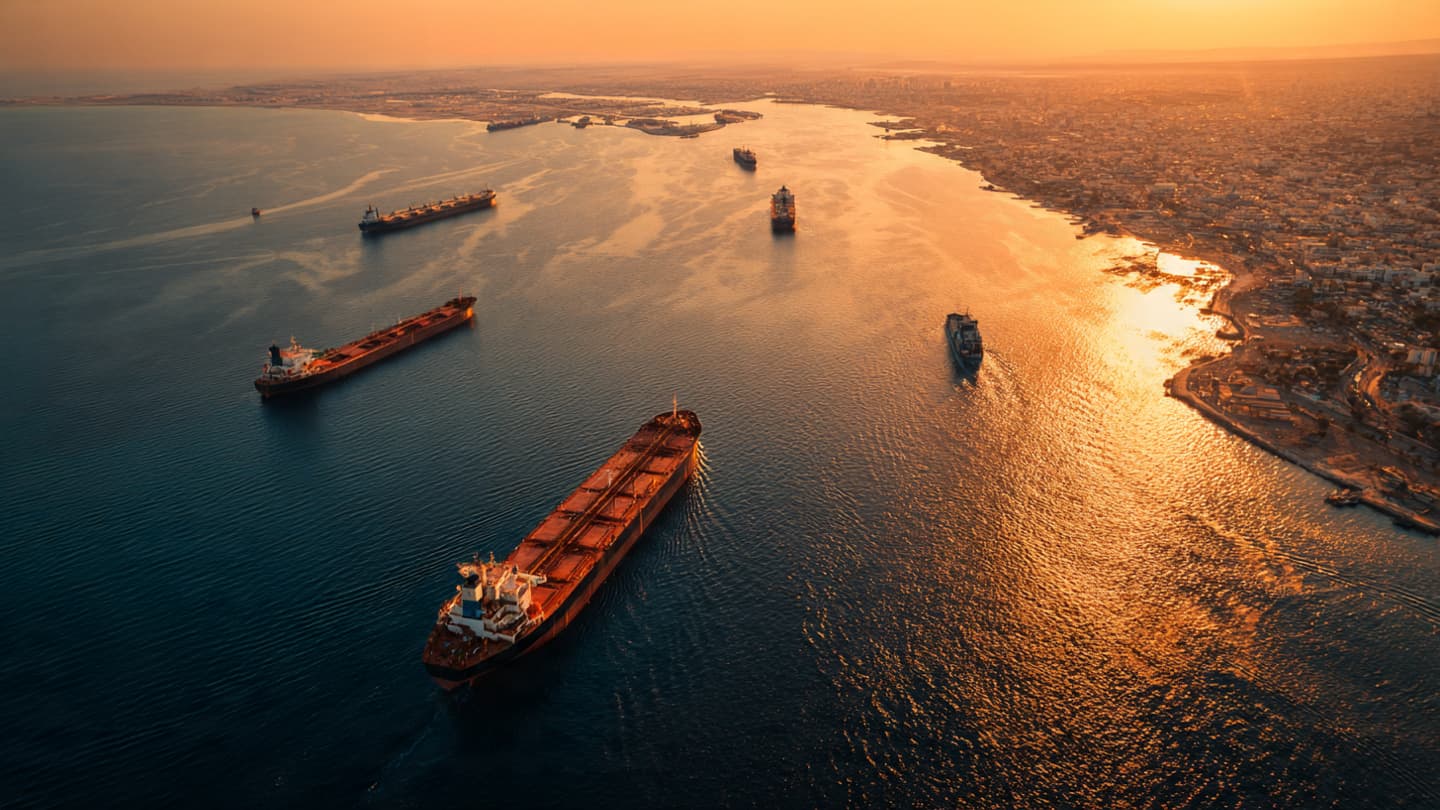
As night settles over the region, container ships continue crossing Gulf waters while aircraft trace paths between capitals connected by both cooperation and caution. Inside ministries and royal courts, discussions about normalization likely continue in measured tones — not abandoned, but delayed by the realities of a region once again moving through instability.
And so the Abraham Accords remain suspended between two landscapes: one shaped by the promise of regional integration, the other by unresolved conflicts that continue casting long shadows across every diplomatic horizon in the Middle East.
AI Image Disclaimer: The accompanying visuals were generated using AI tools and are intended as conceptual illustrations rather than authentic photographs.
Sources:
Reuters Associated Press BBC News Al Jazeera Financial Times
Published by Banx Network. This article is part of the Banx decentralized media programme, powered by the BXE token on the XRP Ledger.


.jpg&w=3840&q=75 "Intelligence Agencies Suspect Russia Is Developing Anti-Satellite Weapon to Target Starlink")