Morning in Tyre often begins with the sea. Fishing boats drift quietly beyond the harbor while pale Mediterranean light reaches the old stone streets, touching balconies, market stalls, and the layered remains of civilizations that once passed through this coastal city. For centuries, Tyre has carried the rhythm of movement — merchants, pilgrims, travelers, and tides arriving in cycles that felt older than politics itself.
But in recent days, another rhythm has returned to southern Lebanon: the sound of hurried departures, warning messages, and distant aircraft circling somewhere beyond the shoreline.
On Thursday, residents of Tyre began leaving parts of the city after the Israeli military issued evacuation warnings tied to planned strikes targeting Hezbollah-linked infrastructure in southern Lebanon. Hours later, airstrikes struck areas near the city, sending columns of smoke above neighborhoods already tense from months of escalating cross-border conflict.
Cars moved slowly through crowded roads leading north, carrying families, blankets, bags, and whatever fragments of ordinary life could be packed quickly. Some shopkeepers pulled down shutters before noon. Others remained standing outside storefronts, watching the roads with the stillness that often settles before uncertainty becomes reality.
The Israeli military stated that the evacuation order was connected to operations targeting Hezbollah positions and weapons infrastructure believed to be operating within or near civilian districts. Hezbollah, the Iran-backed armed group and political movement based in Lebanon, has exchanged near-daily fire with Israeli forces along the border since the Gaza war expanded regional tensions last year.
For southern Lebanon, these exchanges have reshaped daily life into something provisional. Entire villages near the border have emptied over recent months, schools have closed intermittently, and olive groves once associated with harvest seasons now sit near damaged roads and abandoned homes. Tyre, farther north than many frontline villages, had remained relatively more active, its cafés and waterfront still holding traces of ordinary routine despite the conflict moving steadily closer.
That fragile balance shifted as evacuation notices spread across phones and radio broadcasts. Residents described confusion over which districts were considered unsafe and how long the warnings might remain in effect. Some families left immediately; others hesitated, weighing fear against exhaustion after months of instability.
By afternoon, strikes were reported near the city’s outskirts and surrounding areas. Witnesses described loud explosions echoing across the coast while smoke drifted above residential blocks and open land. Lebanese state media reported damage in southern districts, though the full scale of casualties and destruction remained unclear in the immediate aftermath.
The city itself carries an unusual historical weight within Lebanon. Ancient ruins stand only short distances from modern apartment buildings, reminders that Tyre has survived conquest, empire, earthquake, and war before. Yet modern conflicts alter cities differently. They reshape habits — the route children take home from school, the hour fishermen return to shore, the instinct to glance upward at unfamiliar sounds.
Across Lebanon, many now speak quietly of expansion: the fear that border clashes once viewed as contained could widen into something more sustained and devastating. International diplomats have continued efforts to prevent escalation between Israel and Hezbollah, warning that a broader regional conflict could displace hundreds of thousands and destabilize already fragile economies throughout the eastern Mediterranean.
Meanwhile, humanitarian organizations have expressed concern about the growing number of displaced civilians in southern Lebanon. Temporary shelters in northern towns and Beirut have begun receiving families fleeing border regions, while businesses dependent on tourism and seasonal trade face mounting uncertainty during what would normally be busy summer months along the coast.
Yet even as military statements and diplomatic negotiations continue elsewhere, cities like Tyre experience the conflict in quieter details. The empty chair outside a closed café. The sound of waves interrupted by aircraft overhead. The hurried locking of apartment doors before departure. The uncertainty of whether absence will last hours, days, or much longer.
As evening settled over the Mediterranean, smoke still lingered faintly above parts of southern Lebanon. Traffic continued northward while small groups remained gathered near streets and balconies, watching the horizon where sea light faded slowly into gray.
For Tyre, the evacuation orders and strikes marked another moment in a region increasingly suspended between ordinary life and sudden interruption. The city remains standing beside the water, ancient and exposed at once, listening again to the uneasy distance between warning and impact.
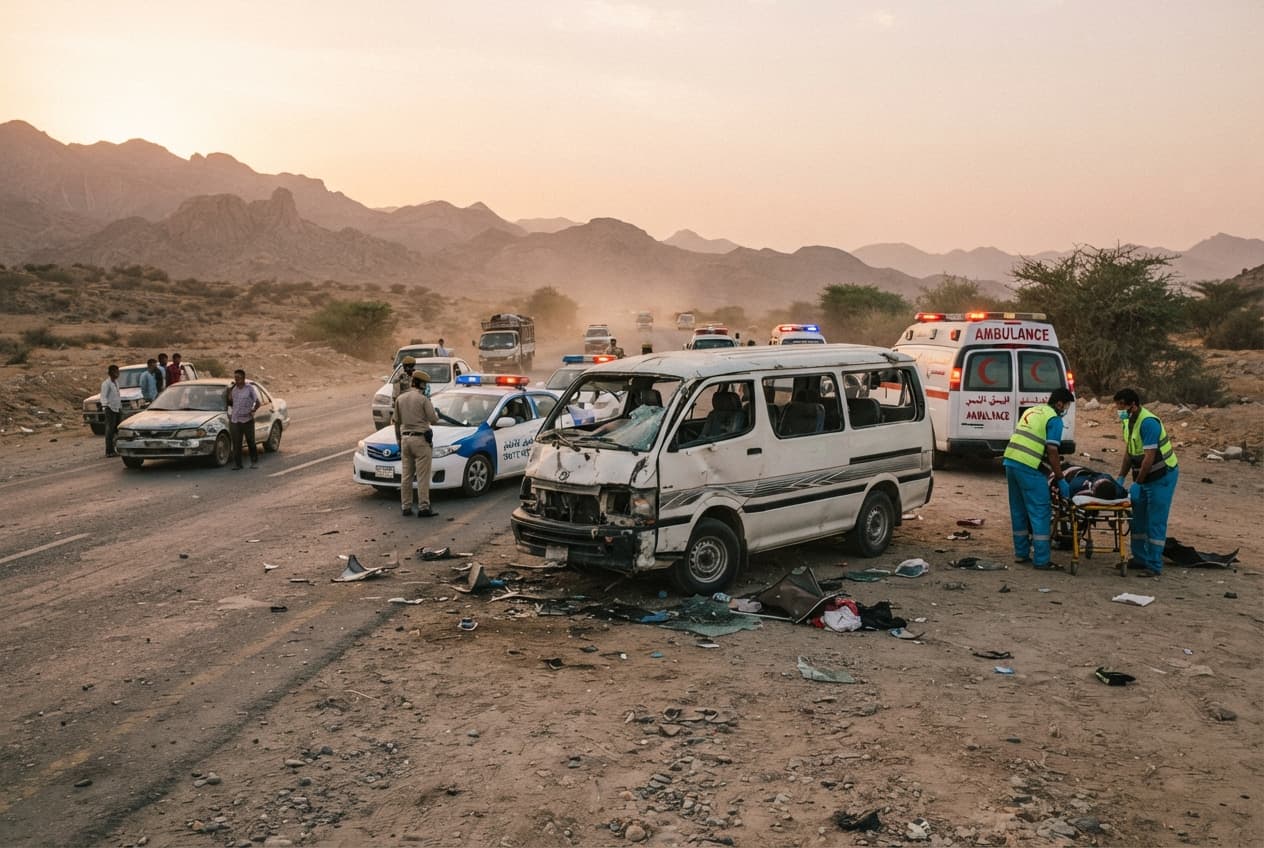
AI Image Disclaimer: These visuals were created with AI-generated imagery to illustrate the atmosphere and setting described in the article.
Sources:
Reuters Associated Press Al Jazeera BBC News The New York Times
Published by Banx Network. This article is part of the Banx decentralized media programme, powered by the BXE token on the XRP Ledger.