Food markets rarely remain still. Behind supermarket shelves, restaurants, and family kitchens lies a network of producers, distributors, investors, and suppliers constantly adjusting to changes in demand. In Indonesia, one of the world’s largest consumer markets, that network is drawing new international attention.
Brazilian meat producer JBS has agreed to partner with a subsidiary of Indonesia’s state investment fund in a joint venture, according to Reuters. The arrangement represents another step in the company’s effort to strengthen its presence in international markets. (reuters.com)
JBS is one of the world’s largest meat-processing companies, with operations spanning beef, poultry, pork, and other food products. Its global footprint gives the company access to major agricultural markets while allowing it to supply consumers across different regions.
Indonesia presents a different kind of opportunity. Its large population creates sustained demand for food products, while rising incomes and urbanization have gradually changed consumption patterns. The country’s food sector therefore offers space for companies looking to establish longer-term positions in Southeast Asia.
The planned partnership also connects international food production with Indonesia’s investment ambitions. State-backed investment organizations have increasingly sought opportunities that can strengthen domestic industries, attract foreign capital, and develop business capacity within the country.
For JBS, local partnerships can provide knowledge of market conditions and established commercial networks. For an Indonesian investment partner, collaboration with a major global producer can provide access to international expertise, technology, supply-chain capabilities, and connections to global food markets.
The meat industry itself operates under a complex set of conditions. Feed costs, animal health, logistics, currency movements, consumer demand, and international trade all influence the price and availability of meat. Companies operating across borders must therefore manage both local market conditions and global commodity cycles.
Indonesia’s geography adds another layer. Moving food products across an archipelago requires extensive logistics and cold-chain infrastructure. Investments that improve storage, processing, transportation, and distribution can have effects extending beyond individual companies by strengthening the broader food-supply system.
The partnership also comes as international meat companies continue to assess opportunities in Asia. Demand for protein remains an important component of food markets, while consumers increasingly expect reliable supplies and consistent quality. These trends can encourage companies to invest closer to major population centers.
The details of the venture will determine its eventual impact, including the scale of investment, operations, products, and infrastructure involved. For now, the agreement marks a new connection between one of the world’s largest meat companies and Indonesia’s expanding investment landscape.
The broader direction is clear: Indonesia remains a significant destination for international food and consumer-sector investment. As JBS and its Indonesian partner develop their joint venture, the coming stages will show how global meat production and local market demand can be woven into a single commercial network.
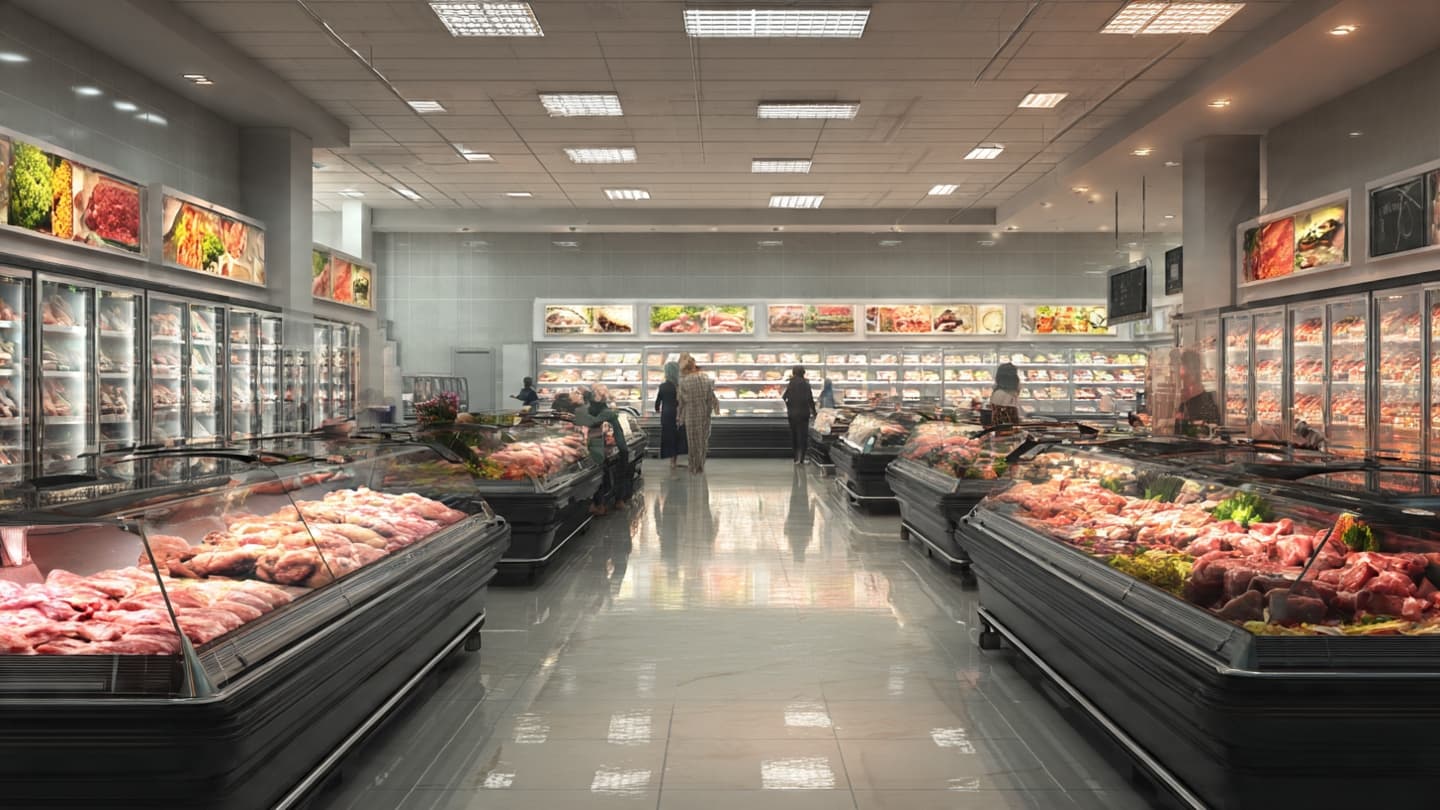
AI Image Disclaimer: The accompanying images are AI-generated visual interpretations and are not photographs of actual JBS facilities or events.
Sources: Reuters JBS Indonesia Investment Authority Antara News
Note: This article was published on BanxChange.com and is powered by the BXE Token on the XRP Ledger. For the latest articles and news, please visit BanxChange.com