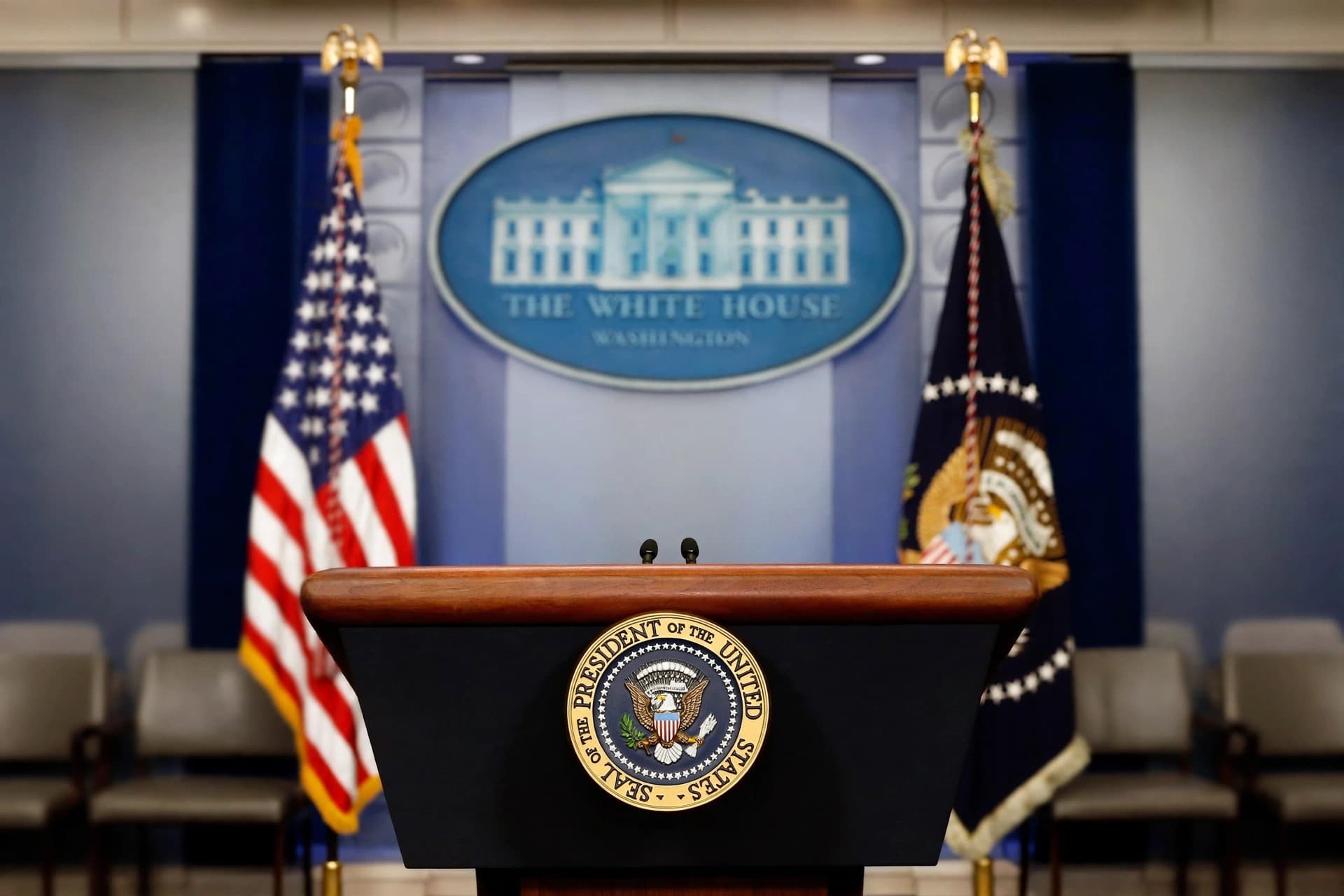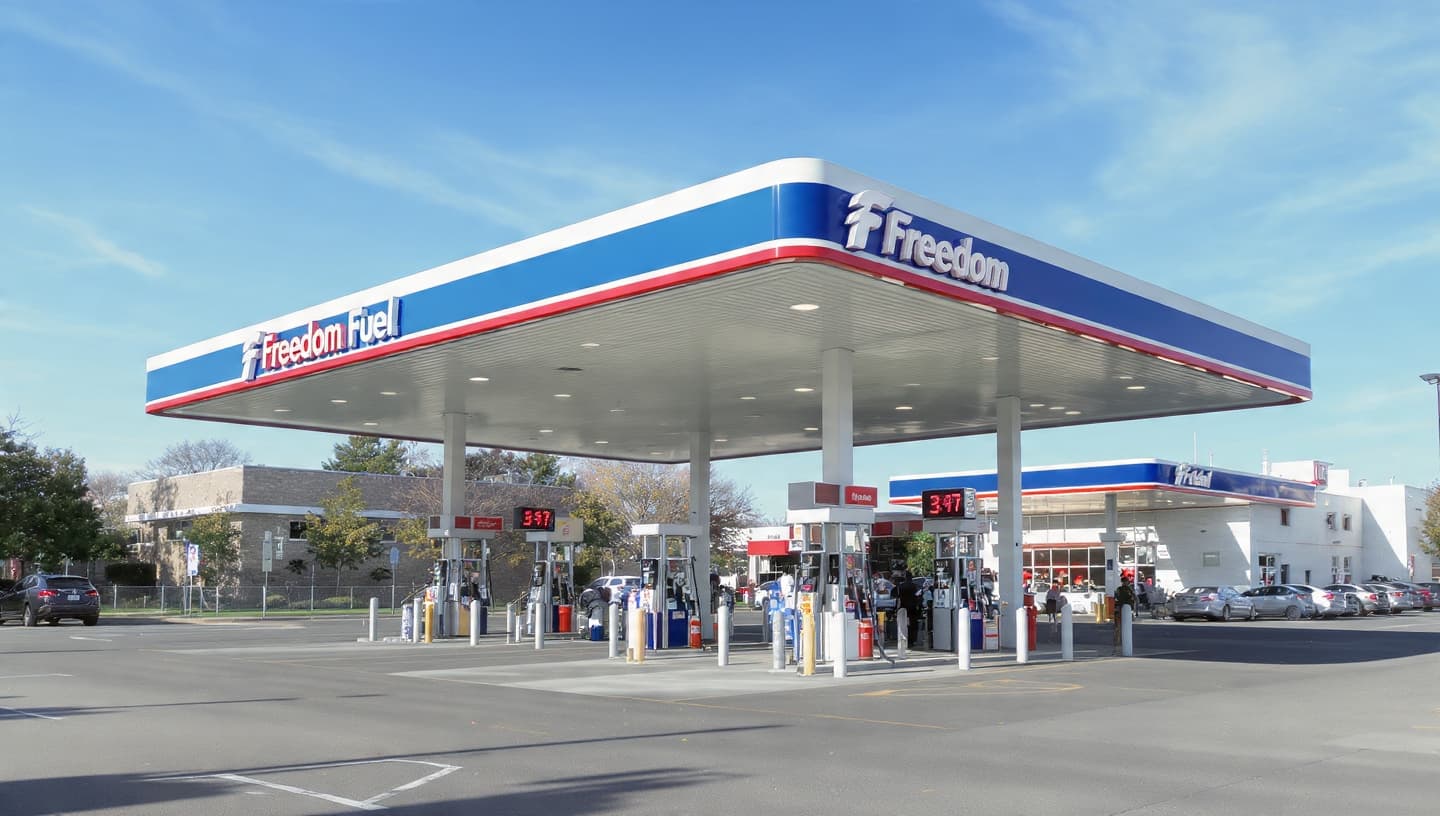
Opening: In the bustling landscape of American commerce, where the price at the pump often serves as a barometer for national economic sentiment, a new initiative has emerged with a distinct political flavor. The White House recently announced the opening of the first "Freedom Fuel" station, offering gasoline at 3.47 per gallon. This move, framed as a tangible benefit to consumers and a symbol of energy independence, blends policy with branding in a way that is both pragmatic and symbolic. It invites reflection on how government actions intersect with daily life, turning a routine transaction into a statement of national direction.
Body: The inaugural station, located in the Philadelphia area, is part of a broader rollout of twenty-five such locations across the region. The pricing strategy is deliberate, with the 3.47 figure chosen to honor the 47th presidency. For drivers, the immediate appeal is clear: a price point that is competitive, if not dramatically lower than some pre-existing market rates. The administration presents this as a direct effort to put money back into the pockets of hardworking families, emphasizing relief from the financial pressures of modern life.
Critics, however, view the initiative through a different lens. Some observers note that gas prices had already begun to stabilize or decline due to global market trends and seasonal adjustments. They argue that branding these stations as "Freedom Fuel" may be more about political messaging than economic innovation. The debate highlights the perennial tension between attributing market outcomes to policy versus recognizing the complex, global forces that drive commodity prices.
For the local communities hosting these stations, the impact is mixed. Some residents appreciate the potential savings and the patriotic symbolism, while others remain skeptical of the long-term sustainability of such pricing models. Questions arise about whether this is a temporary subsidy or a structural change in how fuel is distributed and priced. The transparency of the funding mechanism remains a key point of discussion among economists and policymakers.
The branding itself is noteworthy. By associating fuel with the concept of freedom, the administration taps into deep-seated cultural values. It suggests that energy affordability is not just an economic issue but a matter of personal liberty and national strength. This rhetorical strategy aims to resonate with voters who prioritize both fiscal responsibility and patriotic identity, creating a narrative that links everyday choices to broader political ideals.
From a logistical standpoint, the rollout involves partnerships with existing fuel distributors and retailers. This collaboration allows for a rapid expansion of the network without the need for entirely new infrastructure. It demonstrates a model of public-private engagement that leverages existing supply chains to achieve policy goals. The efficiency of this approach is cited as a strength, though it also raises questions about regulatory oversight and market fairness.
As more stations come online, attention will turn to consumer response and market dynamics. Will the "Freedom Fuel" brand gain lasting traction, or will it fade as a political novelty? The answer may depend on whether the pricing remains competitive and whether the public perceives genuine value beyond the slogan. The initiative serves as a case study in how political branding can influence consumer behavior and public perception.
Ultimately, the "Freedom Fuel" stations represent more than just a place to buy gas. They are a manifestation of a political vision that seeks to connect policy outcomes with national identity. Whether viewed as a savvy marketing move or a substantive economic intervention, they underscore the power of symbolism in contemporary governance. The conversation around them reflects broader debates about the role of government in the marketplace.
Closing: The White House has launched the first "Freedom Fuel" gas station, selling fuel at 3.47 per gallon in the Philadelphia area. Part of a larger network, the initiative aims to provide affordable energy while promoting a message of national strength. The program has sparked debate over its economic impact and political symbolism.
AI Image Disclaimer: Please note that the visual illustrations accompanying this article are AI-generated representations intended to contextualize the discussion on energy policy and political branding.
Sources: USA Today The Washington Post King 5 News Yahoo News
Published by Banx Network. This article is part of the Banx decentralized media programme, powered by the BXE token on the XRP Ledger.