
Across Europe’s eastern frontier, the skies have become quieter in appearance yet heavier in meaning. Aircraft movements, radar alerts, and border surveillance now carry the weight of a wider regional conflict that continues shaping political and military decisions far beyond the battlefield itself. Reports that Romania shot down a Ukrainian drone flying over Estonia have added another layer of concern to an already tense security environment.
According to official accounts and regional reporting, the drone entered monitored airspace before military authorities responded. Details surrounding the flight path, mission purpose, and operational circumstances remain under investigation as officials attempt to clarify how the incident unfolded.
Airspace incidents involving drones have become increasingly sensitive since the beginning of the war in Ukraine. European governments, particularly NATO members near the conflict zone, have expanded surveillance systems and military readiness in response to fears involving accidental escalation or unauthorized crossings.
Romania and Estonia both occupy strategically important positions within NATO’s eastern flank. Security coordination among alliance members has intensified in recent years as governments seek to monitor aerial activity and protect regional airspace integrity.
Military analysts note that drone technology has transformed modern conflict in ways that extend far beyond traditional battlefields. Unmanned aerial systems are now widely used for reconnaissance, targeting, logistics, and surveillance, increasing the likelihood of cross-border incidents during periods of heightened tension.
Officials have not publicly suggested that the incident represented a deliberate hostile act. Investigators are examining technical possibilities that may include navigation errors, communication failures, or operational confusion connected to broader military activity in the region.
European governments continue balancing caution with diplomatic restraint as they respond to incidents tied to the ongoing war. Leaders across NATO have repeatedly emphasized the importance of preventing direct escalation while maintaining security commitments to alliance members.
The episode also reflects how the consequences of the Ukraine conflict increasingly extend into surrounding regions, influencing defense policy, border security, and international diplomacy throughout Europe.
Authorities in the affected countries say investigations and military reviews are continuing. As governments seek further clarification, the incident stands as another reminder of how modern conflicts can quickly ripple across national boundaries through both technology and geography.
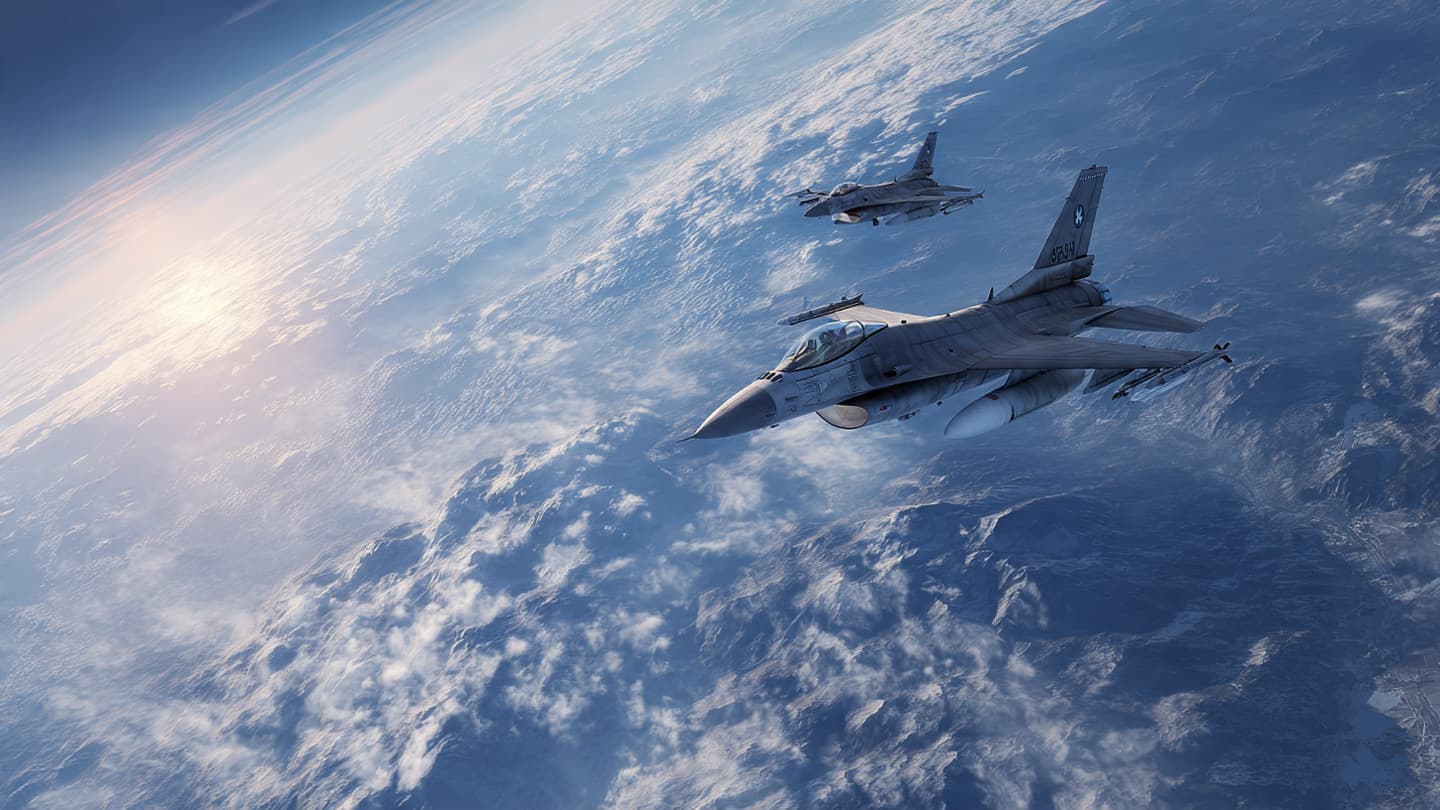
AI Image Disclaimer: Some supporting visuals associated with this report were created using AI-generated illustration technology.
Sources: Reuters, Associated Press, BBC, NATO statements, regional European security coverage
Note: This article was published on BanxChange.com and is powered by the BXE Token on the XRP Ledger. For the latest articles and news, please visit BanxChange.com