
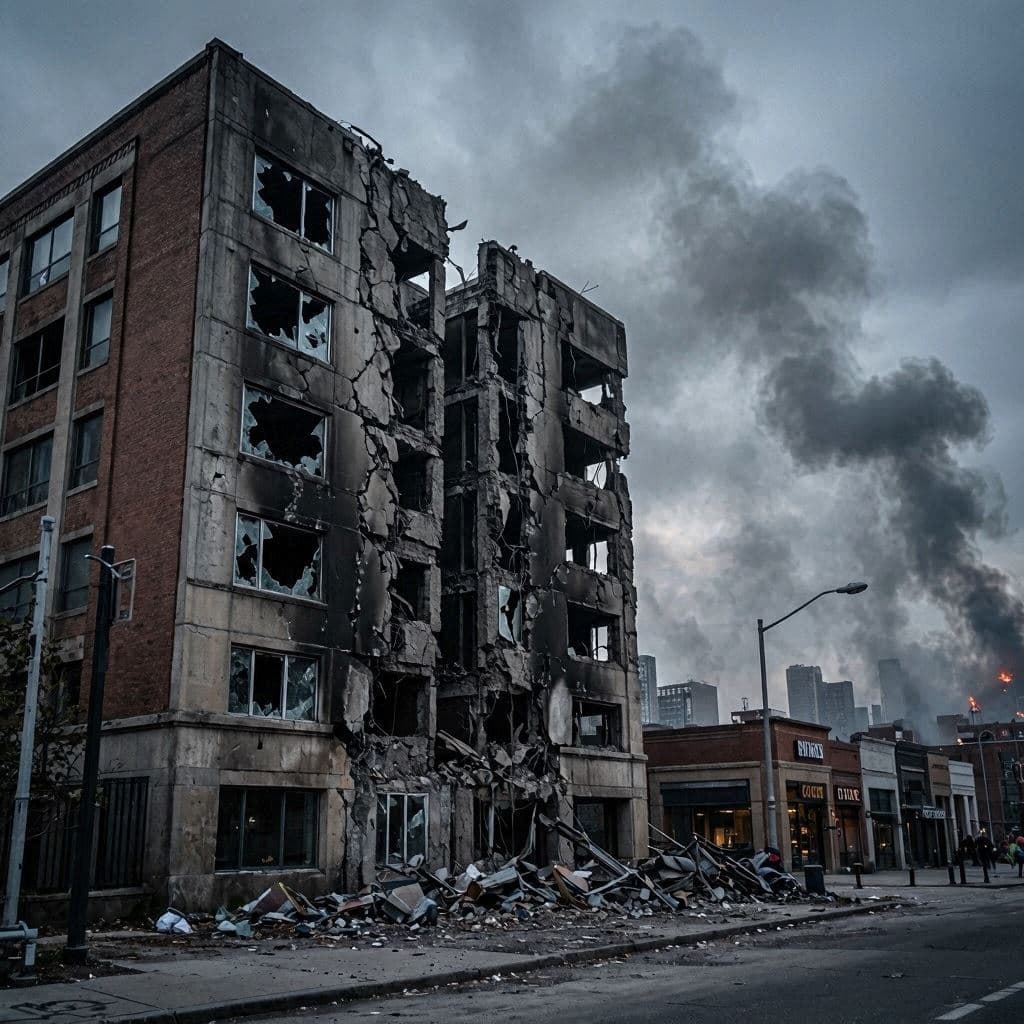
The fragile silence that has settled over parts of Yemen in recent years is now being tested by the sharp report of explosions and the roar of jets. Recently, a series of reciprocal airstrikes between Saudi Arabia and Houthi forces has raised fears that the country may be sliding back into full-scale conflict. This escalation is not merely a military exchange; it is a rupture in the delicate diplomatic fabric that has held since the unofficial truce began. It invites reflection on the human cost of renewed violence, the complexity of regional alliances, and the urgent need for dialogue to prevent a humanitarian catastrophe from deepening.
Body: The recent hostilities were triggered by accusations of violations along the border and in key strategic areas. Houthi forces launched missiles toward Saudi territory, citing retaliatory measures for alleged airstrikes on Sanaa’s airport. In response, the Saudi-led coalition conducted targeted operations, aiming to degrade military capabilities. These actions mark a significant departure from the relative calm that had allowed for tentative peace talks and humanitarian aid deliveries. The breakdown in restraint threatens to undo years of diplomatic progress.
For the people of Yemen, who have endured one of the world’s worst humanitarian crises, the prospect of renewed war is devastating. Millions rely on international aid for food, medicine, and basic survival. Any escalation disrupts supply chains, closes airports, and displaces communities already living on the edge. The psychological toll of living under the constant threat of bombardment cannot be overstated. It is a reminder that behind every strategic move are lives hanging in the balance.
Regional dynamics play a crucial role in this unfolding drama. The relationship between Saudi Arabia and Iran, which has seen periods of détente, influences the behavior of their respective allies in Yemen. Recent tensions in the broader Middle East have spilled over, complicating efforts to maintain local ceasefires. The interconnectedness of these conflicts means that a spark in one area can ignite flames in another. Diplomacy must therefore be holistic, addressing root causes across borders.
International mediators, including the United Nations and Oman, are working urgently to de-escalate the situation. They call for immediate restraint and a return to negotiation tables. However, trust between the parties is low, and each side views concessions as vulnerabilities. Building confidence requires small, verifiable steps, such as prisoner exchanges or localized ceasefires. These incremental gains can lay the groundwork for broader agreements.
The economic impact of renewed conflict is also significant. Yemen’s infrastructure, already weakened by years of war, faces further destruction. Ports, roads, and power grids are critical lifelines that, if damaged, will hinder recovery for decades. Investment in reconstruction becomes impossible amidst active fighting. Stability is not just a political goal but an economic necessity for the region’s future.
Public opinion in both Saudi Arabia and Yemen is weary of war. Citizens on both sides desire peace and normalcy. This shared sentiment can be a powerful force for change if leaders choose to listen. Grassroots movements and civil society organizations continue to advocate for dialogue, reminding policymakers of their duty to protect their people. Their voices offer a counter-narrative to the logic of violence.
As the situation remains fluid, the international community watches with concern. The risk of miscalculation is high, where a single incident could trigger a wider regional confrontation. Preventing this requires clear communication channels and a commitment to diplomacy over force. The stakes are too high to allow history to repeat its tragic patterns.
Closing: In the end, the exchange of airstrikes in Yemen is a warning sign that peace is precarious. It calls for renewed commitment from all parties to prioritize human life over military advantage. As we hope for de-escalation, the wish is that diplomacy will prevail, bringing lasting stability to a nation that has suffered enough.
AI Image Disclaimer: Please note that any accompanying visuals for this narrative are artificially generated interpretations meant to evoke the spirit of the story, not documentary evidence.
Sources: Reuters Al Jazeera
Note: This article was published on BanxChange.com and is powered by the BXE Token on the XRP Ledger. For the latest articles and news, please visit BanxChange.com